Tesla Says Customer-Owned Cars Could Join Its Robotaxi Fleet by Q2 2027
Tesla expects owners to be able to add their own vehicles to its robotaxi fleet around the second quarter of 2027, Ashok Elluswamy, the company's VP for Autonomous Driving, said on the Q3 2026 earnings call on October 21, 2026. The call was scheduled for 4:30 p.m. Central Time, or 5:30 p.m. Eastern Time.
Elluswamy hedged the timeline. He said "somewhere around Q2 next year" is when Tesla could begin turning on some of the first customer vehicles for the robotaxi fleet.
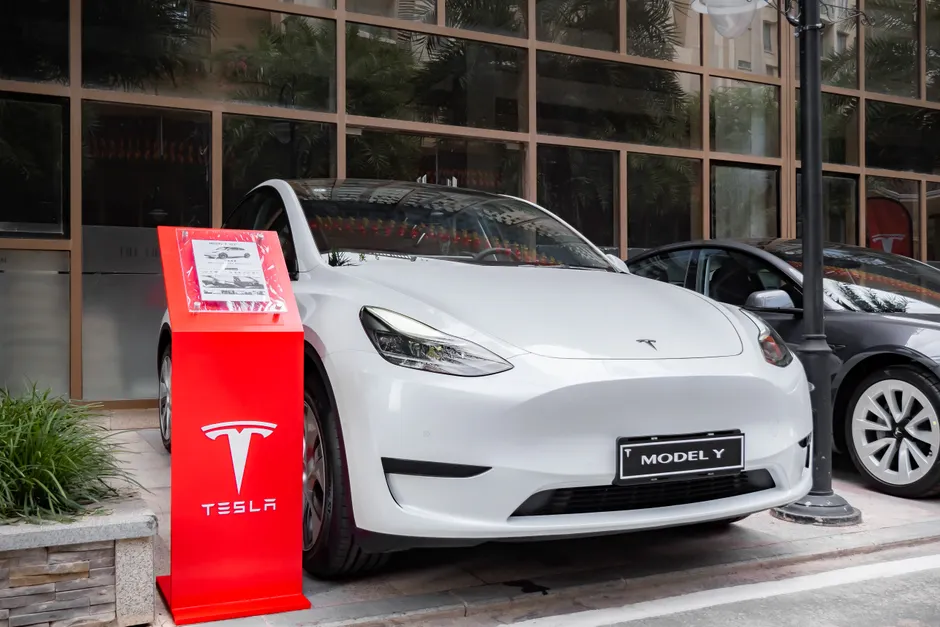
On software, Elluswamy said the code running on Cybercabs and Model Y is the same. Tesla could soon release that software to customers as part of the V15 release. A customer's Model Y would need to be part of Tesla's geofences, the mapped zones where a car is permitted to drive itself, and of Tesla's fleet management system to be fully autonomous.
The current fleet is small. Tesla has a few hundred robotaxis operating in Texas and Florida, some with human safety monitors on board. In Austin, several dozen fully driverless Cybercabs are running.
Tesla also launched a new Robotaxi safety website. It states the company has driven 3.3 million miles autonomously, up from 380,000 unsupervised miles reported in July 2026.
On the consumer side, Tesla reported that more than 75 percent of new vehicle buyers in North America chose Full Self-Driving (Supervised), its driver-assistance software, in Q3 2026. That share rose by almost 20 percentage points from the prior quarter.
The financial picture was mixed. Tesla's vehicle sales fell in the quarter, revenue was flat, and profits dipped.
The idea of customer-owned Teslas earning money on a network is not new. At its 2019 AI Day, Elon Musk said customer-owned Teslas could join a "Tesla Network" of autonomous robotaxis that would earn owners passive income, meaning income earned without the owner driving. He also said a million Tesla robotaxis would be on the road by 2020. Neither has come true as of the Q3 2026 earnings coverage.
In my view, the Q2 2027 date matters less than the operational detail behind it. A privately owned car in a robotaxi fleet means Tesla must manage geofence eligibility, remote oversight and vehicle utilization for hardware it does not own. The current fleet of a few hundred vehicles, some still carrying human monitors, is the reference point against which that date will be judged.
The broader context here is the gap between the 2019 promise and the 2026 timeline. The concept has been on the table since 2019, and this version arrives with explicit hedging. Whether that hedge holds will say more about fleet operations than about the software alone.
If the window holds, part of the robotaxi fleet's capacity would come from private garages rather than from Tesla's own balance sheet. That would change how a robotaxi network is financed and scaled. It would also raise questions about how a vehicle owned by one person and dispatched by another is treated under the rules that govern each. Those questions are open, and the answers will shape whether the owner-income model becomes an operating reality.