Birdbuddy Renames Its Smart Feeders as the Nook and the Home, With Prices Moving Both Ways
Birdbuddy's two smart bird feeders are now sold through the company's online store under new names: the Birdbuddy Nook, starting at $99, and the Birdbuddy Home, priced at $219, according to The Verge.
The renames map directly onto the earlier line. The Birdbuddy 2 Mini is now the Nook, and the Birdbuddy 2 is now the Home. At reveal, the Birdbuddy 2 was priced at $189 and the 2 Mini at $129, with pre-orders expected to begin in mid-2026, as Yahoo Tech reported in January. Birdbuddy had announced the next generation at CES 2026 in a PR Newswire release. The current prices matter most to buyers now, and they have moved in opposite directions: the entry model is $30 above its reveal price, while the flagship is $30 below it.
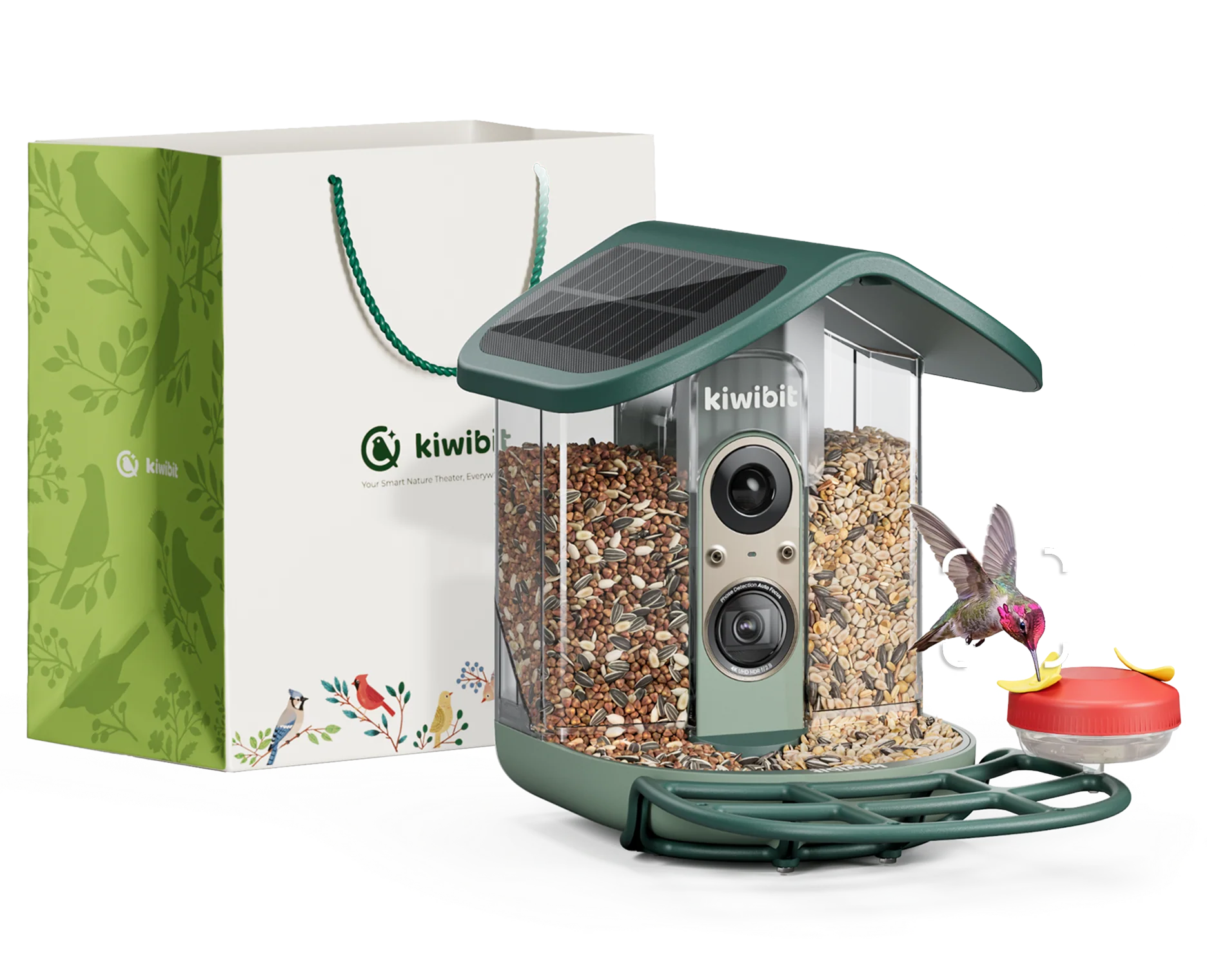
Both models use a 2K HDR camera with a 135-degree field of view. The Nook has a 3.8-cup seed reservoir. A $159 Nook Solar variant adds a solar panel to the roof, and a $199 Nook Extended Edition includes a larger perch for more birds.
The Home has a six-cup seed reservoir and ships with a pair of solar panels on top. It includes a built-in perch extender and dual-band Wi-Fi, which operates on both the 2.4 GHz and 5 GHz bands. Its most distinctive change is an upgraded microphone, intended to let the app identify species from birdsong as well as from appearance.
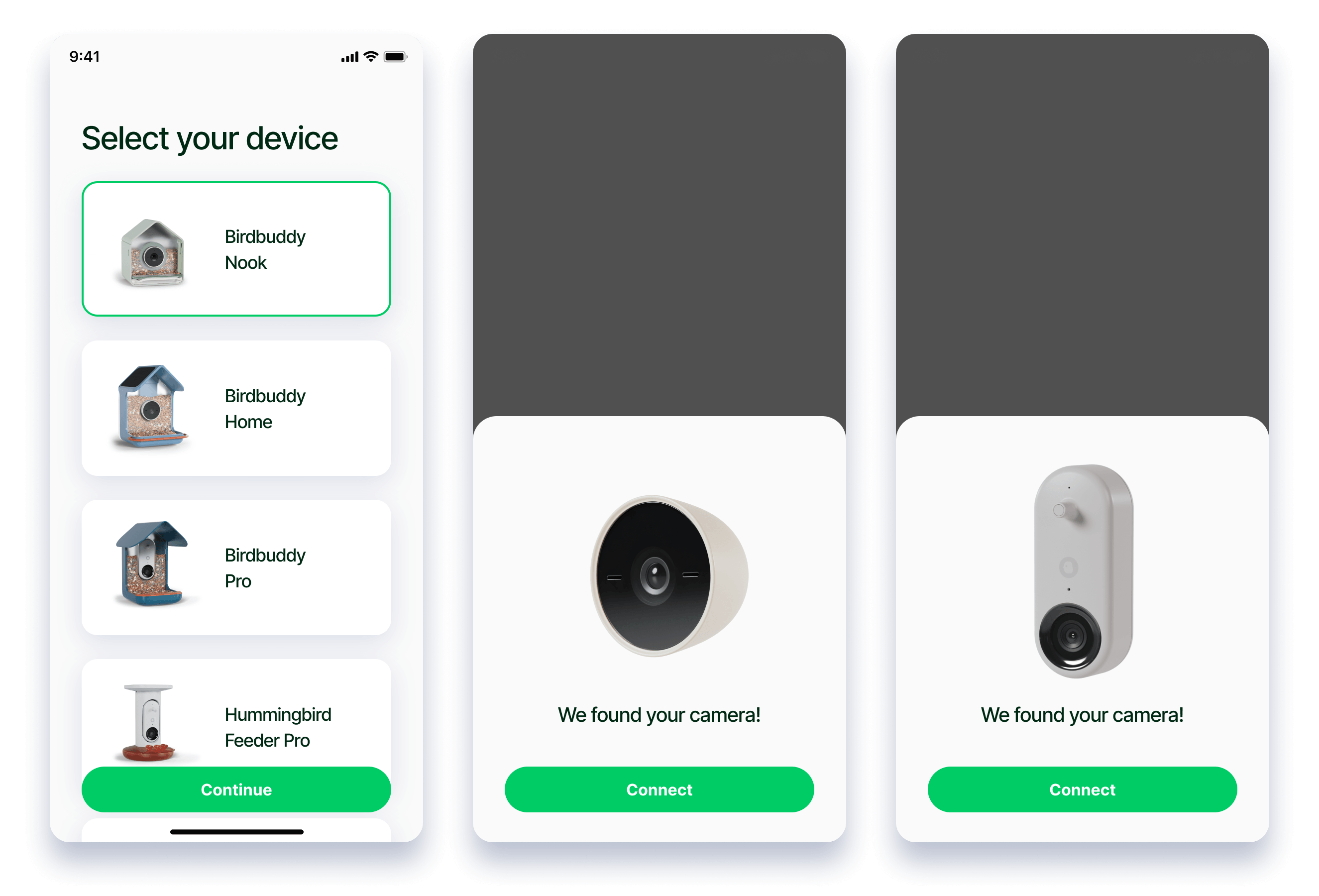
On the software side, Birdbuddy describes an AI-powered app that identifies visiting species, captures photos and video of local birds, and sends instant alerts to the user's phone. The company says it organizes the images into a collection. The company's website also offers buy now, pay later financing through Affirm, and states that 86% of users recommend the product as the perfect gift for families.
Setup is mostly mechanical. The Nook's perch clicks into a slot at the front of the feeder base, is pressed in, and then slides downward, according to a September support article. A single Quick Start Guide covers both the Home and the Nook, including how to insert the camera module into its housing.
In my view, the rename deserves more attention from buyers than its cosmetic look suggests. A model number tells a shopper little about what is in the box, while the new names separate a $99 entry unit from a $219 unit with a larger reservoir, a second solar configuration, and a microphone built for audio classification. The $120 gap is wide enough that the decision will likely hinge on whether the buyer wants sound-based identification and more seed capacity, not on the camera, which is the same in both.
The broader context here is that the feeder is becoming a small sensor platform. Visual species recognition is now a baseline expectation, so the competition is shifting toward audio, solar power independence, and how well the app's identifications hold up over a full season. Accuracy claims, latency (the delay between a bird landing and its identification appearing) and low-light performance are measurable, and they are the details a careful reviewer would test.
The upside is easy to state. A feeder that logs which species visit, when, and in what order gives a household a running record of its backyard, a task that once required a field guide and a patient observer. Whether the identifications are reliable enough to trust is the open question, and independent testing will answer it more clearly than any spec sheet.