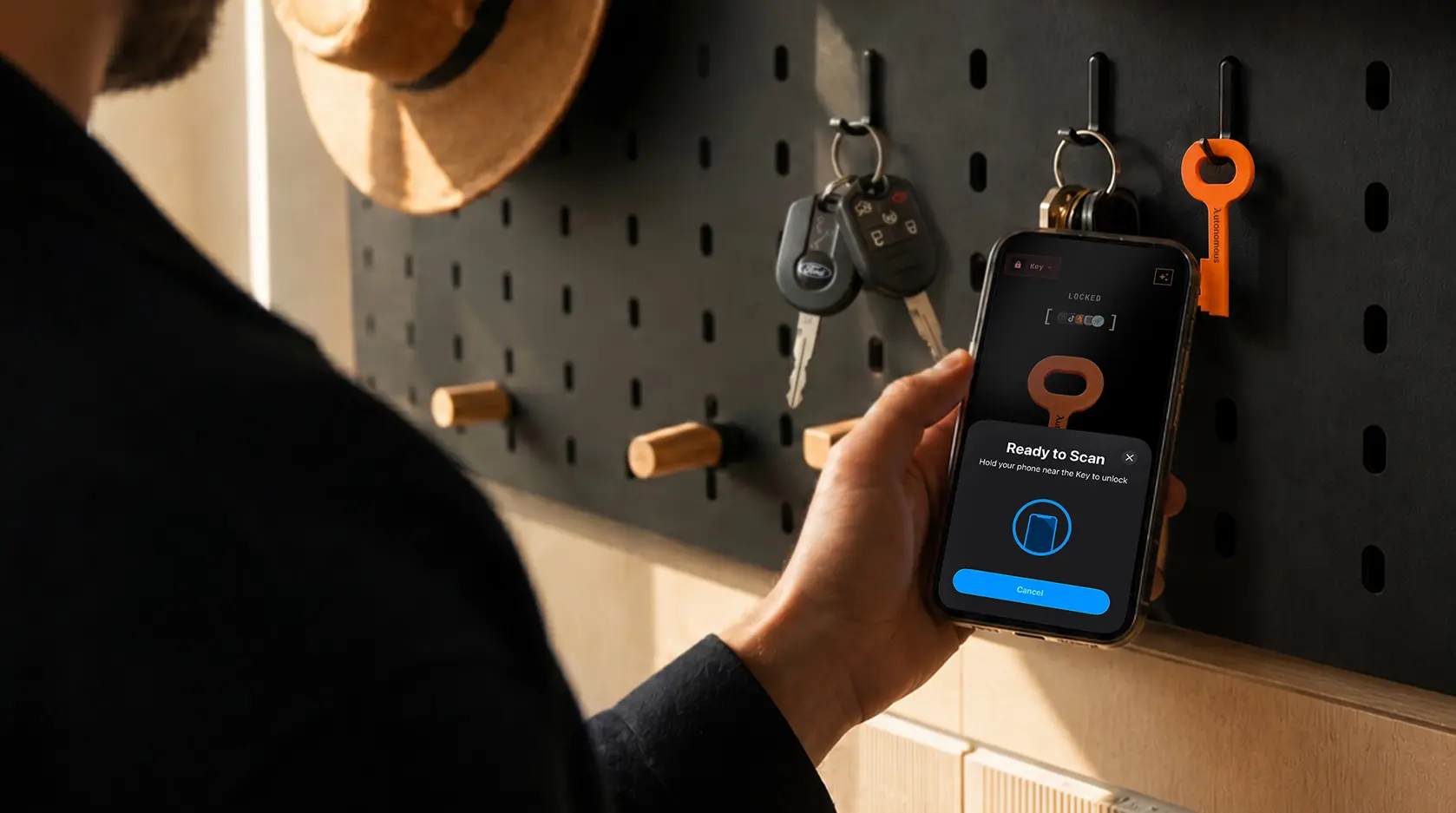
Brick Night Blocks Your Chosen Apps When You Walk Into the Bedroom
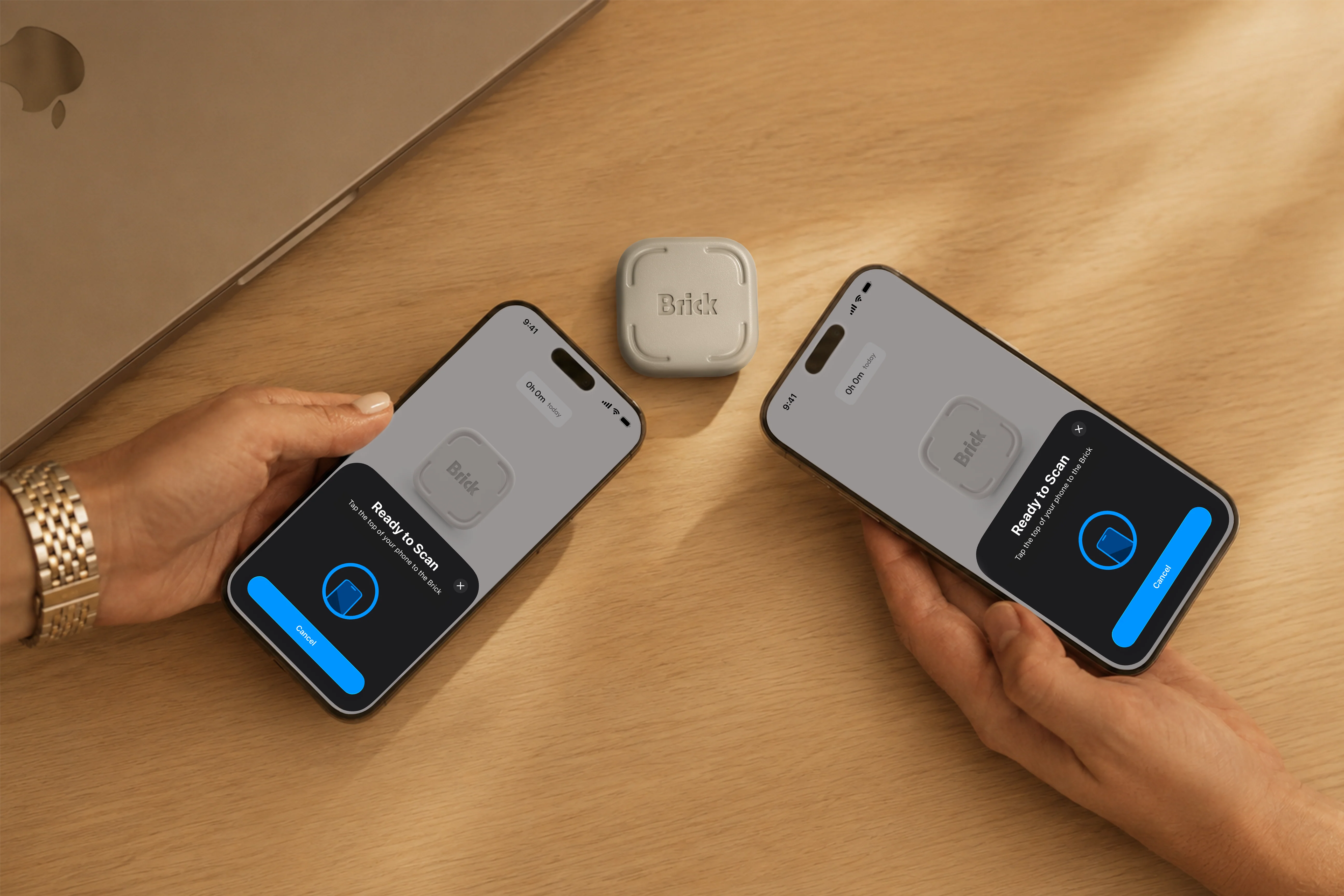
Brick has launched Brick Night, a $129 device that automatically blocks selected apps when the user enters the bedroom. The company announced the product in a press release distributed through Business Wire on October 22, 2026, and describes it as a tool to reduce doomscrolling in bed.
The device uses Bluetooth, a short-range wireless link, to activate app blocking when the user enters the bedroom or another room where the unit is placed. Users can set a location zone of up to 25 feet by 25 feet. Rather than locking the entire phone, Brick Night lets users choose specific apps to block. Setup involves defining the boundary once. CNET reports that the product is intended for sleeping, winding down, waking up and creating a no-scroll zone.
Brick Night supports multiple users, each of whom can independently configure settings, modes, blocked app selection, time windows and spaces. It runs on two CR2477 coin cells, a common small lithium battery format. It has no NFC radio, the short-range chip used for contactless tapping, so it cannot perform the tap-based blocking that defines the original Brick.
The original Brick costs $59 and requires the user to tap the phone against the device to start blocking. Brick's store describes it as "The physical app blocker with no ignore button." The company's homepage now features Brick Night as "NEW!" under the headline "Reclaim your sleep with Brick Night," and links its Shop Now button to a separate Brick Night product listing. Brick's official website states that Brick Night has no easy overrides to bypass app blocking.
The companion app carries over several features from the original line. A Schedules function activates blocking at set times, and a Weekly Activity view shows the time regained from blocking. Remote Activation lets users press and hold within the app to start a block. Unblocking still requires tapping the physical device. Brick states that its app blocker works with both iPhone and Android.
The Brick Night product page, titled "Nighttime Reset," positions the device as a bedtime routine tool rather than a general focus aid. The store's headline line for it reads "Reclaim your sleep with our automatic Bluetooth app blocker."
In my view, the central design question is where the friction sits. Software schedules on a phone are easy to edit or ignore in the moment, and the original Brick addressed that with a physical tap and no ignore button. Brick Night moves the trigger from the user's hand to the room itself, so the decision to block happens on arrival rather than on request. That removes one step of intention, which may help users who struggle to start a block at bedtime. It also means the boundary is only as precise as the Bluetooth zone the user defines. Whether the habit holds over months of use is something a launch announcement cannot establish.
The broader context here is a product category built on a simple observation: phones in bedrooms cut into sleep, and most people do not manage that by willpower alone. Brick Night's price is roughly double the original device, and its value depends on whether automatic, location-based enforcement changes behavior more reliably than the manual alternatives already on the market. For a technically literate buyer, the open questions are practical: how the zone behaves in multi-room homes, how the shared multi-user configuration works in daily use, and how the no-override design fares when a user genuinely needs the phone at night.