Oil Prices Spike as Iran Attacks Ships, US-Iran Ceasefire Collapses

Oil prices jumped sharply on July 8, 2026. Brent crude — the global benchmark for oil pricing — rose as much as 6% and traded above $78 a barrel, its highest level since the US-Iran ceasefire began in June, according to The Guardian. CNBC reported both Brent and WTI (another common oil benchmark) briefly exceeded 6% gains before settling near $78.50 CNBC. Trading Economics logged Brent at $77.50, up 4.5% on the day Trading Economics.
What triggered the spike?
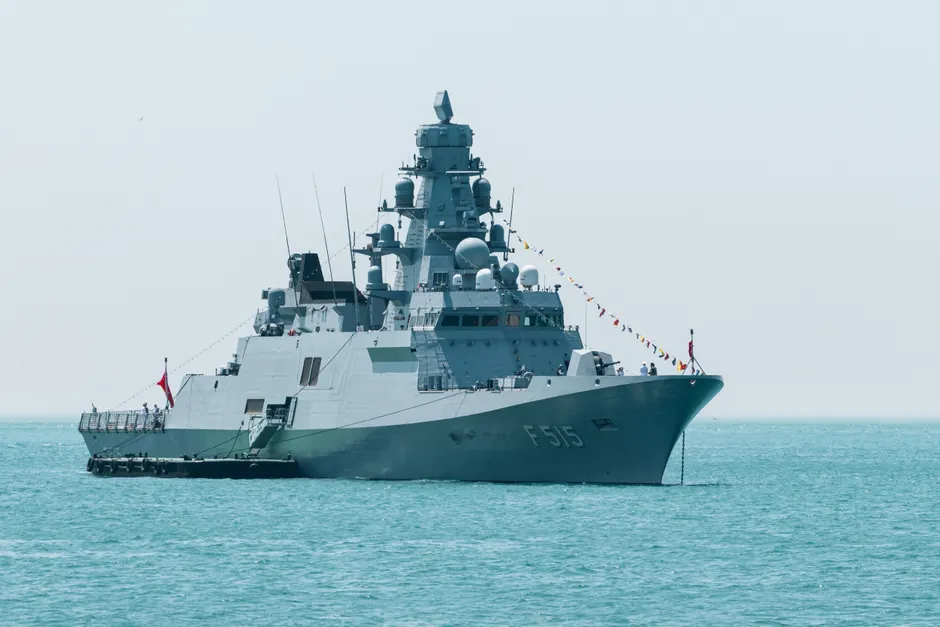
Iran launched a wave of missile attacks on commercial ships in the Strait of Hormuz — one of the world's most critical chokepoints for oil and gas transport. In a 48-hour period before July 8, Iran attacked at least three tankers carrying fossil fuels. One was a Qatari-flagged liquefied natural gas (LNG) carrier — essentially a massive refrigerated ship carrying gas cooled to liquid form — that was hit and left at risk of explosion. A Saudi crude tanker was damaged in the same corridor. Reuters reported the attacks occurred on Tuesday, July 7, using missile strikes. Iranian state television confirmed the LNG tanker had been attacked after "ignoring warnings," though it stopped short of claiming direct responsibility KVCR/NPR.
The US response
President Trump responded to the attacks by declaring the ceasefire "over." "I don't want to deal with them anymore," he said, according to the BBC. CENTCOM (the U.S. military command overseeing the Middle East) confirmed the U.S. conducted retaliatory strikes on Iranian targets on July 7 CBS News. The U.S. Treasury also revoked the license that had permitted Iran to sell oil Reuters.
Shipping halts
Shipping through the Strait has effectively frozen. At least four oil and gas tankers reversed course rather than attempt the transit, based on ship-tracking data cited by the Guardian. Rystad Energy's Jorge León said traffic through the chokepoint had "essentially stopped." The Strait's shipping risk classification was raised to "severe" Reuters. European energy markets moved in sync: the Dutch TTF benchmark (the standard measure for European natural gas prices) climbed 5% to €49.00 per MWh, and the UK equivalent rose to 116.75 pence per therm The Guardian.
Why this matters more than this week's price move
The Strait of Hormuz carries roughly a fifth of global oil consumption on any normal day. This current disruption is not the first this year. An effective blockade began in March 2026, and the broader US-Iran war — which started February 28, per a White House report — had already disrupted flows of about 20 million barrels a day from Gulf producers at its height White House. Brent crude touched above $110 a barrel in late May during that phase of the conflict. The fact that oil reached only roughly $78 this week suggests markets still expect some distinction between a full blockade and the current uncertainty.
The conflict itself was waged by the U.S. under the name Operation Epic Fury, first invoked in White House statements in March and April White House. An earlier two-week ceasefire, announced by Trump via Truth Social and described by him as a "double sided CEASEFIRE," gave way in June to a more formal agreement signed by Trump and Vice President JD Vance White House. That accord is what Trump now says is finished.
CENTCOM's public record shows the arrangement had already been under strain before this week's strikes. On June 27, the command reported a Panama-flagged tanker carrying more than two million barrels of crude had been attacked near the Strait CENTCOM. U.S. forces also disabled an Iranian cargo vessel attempting to breach the naval blockade in the Gulf of Oman. CENTCOM convened a Regional Security Dialogue with 12 nations in Bahrain on July 1 — diplomatic groundwork that the events of July 7 have now disrupted.
The domestic context in Iran
Domestically, the timing carries weight. The burial ceremony for Supreme Leader Ayatollah Ali Khamenei is scheduled for later this week. The tanker campaign and the U.S. response are unfolding alongside a leadership transition whose implications for Tehran's decision-making are not yet clear from public reporting.
What comes next
Whether the ceasefire's collapse proves meaningful or merely rhetorical will likely be settled by whether tanker traffic resumes in the coming days. A prolonged halt through Hormuz would ripple well beyond oil and gas prices, given the chokepoint's role in energy flows to Asia and Europe alike. For now, markets are pricing renewed risk rather than a return to the $110 highs of May — a gap worth watching as the next 48 hours unfold.