The Ceasefire Collapses: Why the Strait of Hormuz Remains the Flashpoint in the U.S.-Iran Conflict

The ceasefire between the United States and Iran has broken down again, with both sides launching strikes for the second time in less than two weeks. The focus of the confrontation is the Strait of Hormuz, a narrow waterway crucial to global oil shipments. According to The New York Times, the truce collapsed on July 12, and by July 13 the U.S. military said it had concluded its latest offensive strikes, insisting that Tehran does not control the strait despite Iranian claims, per AP News.
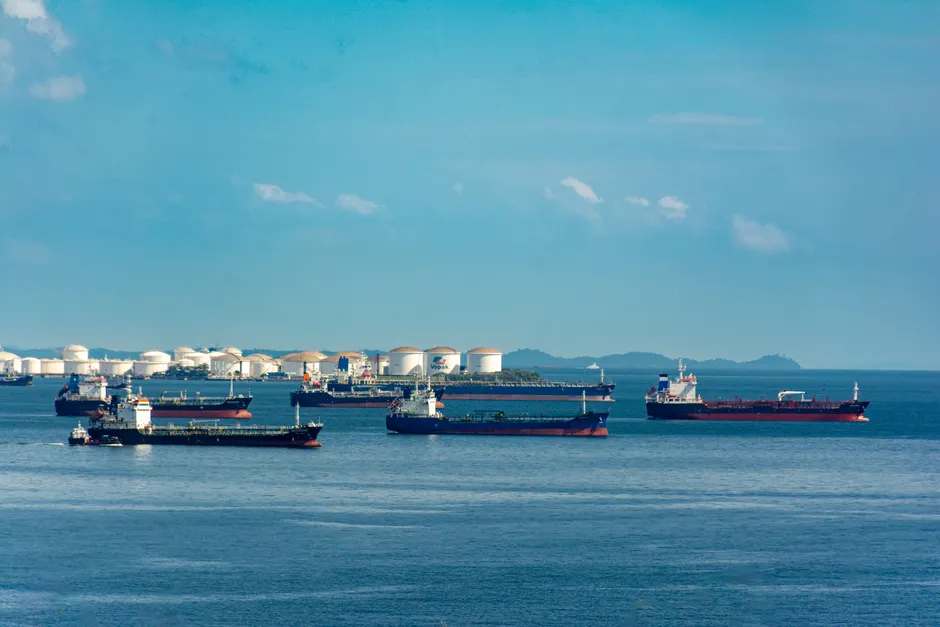
The immediate cause was maritime in nature. On July 11, Iran fired on a ship in the Strait of Hormuz and declared the waterway closed, triggering U.S. military strikes in response, according to CNN. Trump dismissed Iran's closure claim — "Yeah, it's open" — a response that Washington has repeated each time Tehran asserts control over the chokepoint. CENTCOM framed the renewed strikes as directed by Trump "to hold Iranian forces accountable," per NBC News. By July 13, Reuters reported Iran had escalated attacks on U.S. bases in the Gulf region and warned of further incidents in the strait. The Guardian described heavy exchanges of missiles and drones over control of the waterway.
This collapse is part of a pattern. Earlier in July, Iran struck three ships in the strait, which the U.S. cited as justification for launching military strikes and revoking Iran's oil sale permissions, per AP News. On July 7, Reuters reported that the U.S. had launched new strikes after reinstating oil sanctions, with Iran refusing further talks unless Trump halted operations. Just days earlier, on July 1, Qatar had brokered a deal — per AP News — to reopen the strait and extend the ceasefire. That agreement lasted barely a week, revealing how unstable the arrangement has been from the beginning.
The root of the problem lies in the ceasefire itself. Trump declared the original June ceasefire over in early July, per Britannica's chronology, which also notes that Iran continued attacking shipping even after the June ceasefire took effect. The underlying agreement required Iran to abandon its nuclear program entirely — a demand that contradicted Iran's stated positions almost immediately. According to the Institute for the Study of War, Iranian officials signaled disagreement with this term as early as June 13. The memorandum was contested from its inception, and the ceasefire built upon it inherited that fundamental weakness.
Washington's legal foundation for military action predates the recent cycle by months. In April, the State Department's Office of the Legal Adviser published an analysis on "Operation Epic Fury and International Law," describing Iranian conduct as "a clear pattern of unprovoked aggression and direct and proxy attacks against Israel," per the State Department. That same month, Trump ordered a naval blockade aimed at countering Iranian aggression and securing safe passage through Hormuz, according to a White House release. The legal and military framework for confronting Iran in the strait was established well before June and July — and has been invoked repeatedly as strikes resumed.
Diplomacy in the region has moved in tandem with the military escalation. The U.S. and the Gulf Cooperation Council convened a ministerial meeting in Manama on June 25, per a joint statement from the State Department. This session occurred amid, not after, the volatility in the strait, underscoring how Gulf states have had to manage their exposure to a conflict unfolding in their own territorial waters. On July 10, U.S. officials demanded that Iran publicly commit to halting attacks on shipping and guaranteeing open lanes, according to Reuters. That demand went unmet over the following three days.
The economic consequences are now visible. Shipping traffic through Hormuz fell to a multi-week low as of July 12 amid the renewed strikes, per Reuters, and oil prices jumped more than 4% on July 13 as traders reassessed the strait's importance to global energy supplies, according to Reuters. Roughly one-fifth of global oil consumption moves through Hormuz daily, which explains why traders treat any Iranian threat to close it — whether realistic or not — as an immediate pricing event.
What sets this cycle apart is less the substance of disagreement than the shrinking timeframe between ceasefires. Each agreement has been narrower and shorter-lived than the previous one: April's blockade order, June's nuclear-disarmament memorandum, the July 1 Qatari-brokered extension, and now a truce that lasted roughly ten days before both sides exchanged fire again. Iran's repeated claim that the strait is closed, countered each time by American insistence that it remains open and controlled by no single nation, has become the recurring language through which the two sides signal their resolve without necessarily committing to full-scale war.
The question now is whether this script can persist indefinitely, given the mounting damage to shipping confidence and the volatility in oil markets. That calculation is being made in real time by Gulf governments and energy traders watching the cycle repeat.