Goldman Cuts Korea Index Target to 9,000 as the Memory-Chip Trade Weakens
Goldman Sachs cut its 12-month target for the KOSPI, South Korea's main stock index, to 9,000 from 12,000 on October 25, 2026. That is a 25% reduction. Even after the cut, the bank still sees more than 60% upside from current levels, according to BusinessKorea.
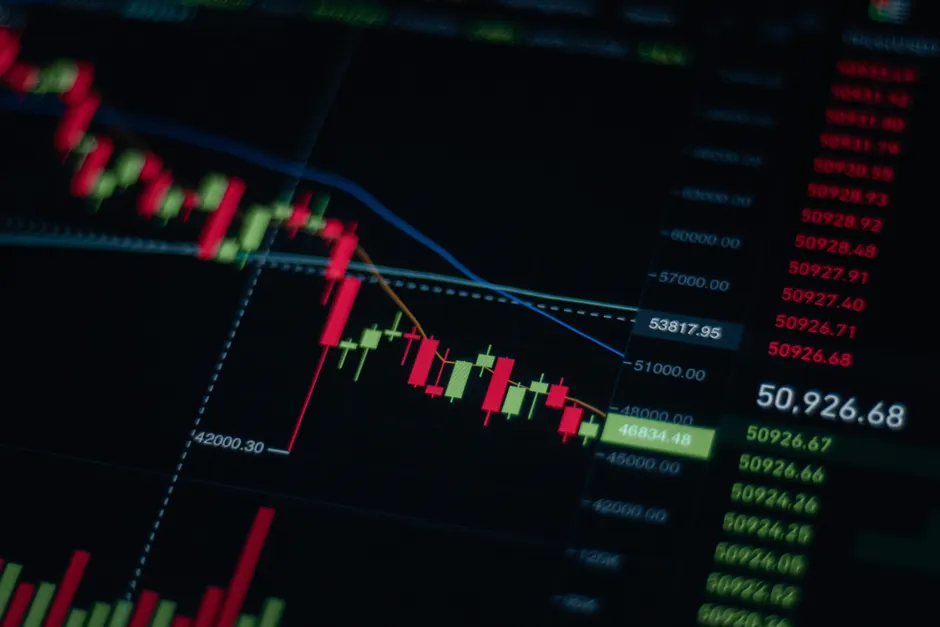
The revision follows a steep drawdown, meaning a fall from a recent peak. The index had dropped more than 35% from its June peak before Goldman acted, as Yahoo Finance reported. In early June, Goldman had raised its 12-month target to 12,000, a level that implied more than 35% upside at the time, according to CNBC. The 9,000 level now sits where Goldman first set it in May.
That May call rested on specific drivers. Goldman Sachs Research cited a 300% earnings surge and a supercycle in memory chips as forces that could push Korean equities to fresh highs, per its May note. Goldman's earlier calls moved in the same direction. In March, when the KOSPI closed at 5,583, the bank lifted its year-end 2026 target to 7,000 from 6,400, as laid out in its March report.
The memory-chip thesis ties the index's earnings path to a single industry cycle. Memory chips are the components that store data, and their prices and demand tend to rise and fall in waves. A forecast that leans on one wave carries more risk than one spread across many sectors.
The market backdrop makes the cut harder to read as a single data point. As of October 11, South Korea's stock market was valued at $4.3 trillion, and turnover in Korean stocks had fallen 70% from its peak in late May, per Bloomberg. Turnover is the value or volume of shares changing hands.
In my view, a drop of that size means fewer buyers and sellers are setting prices, so index moves can overstate or understate the flow of new capital. Thin liquidity tends to amplify both rallies and selloffs.
On October 15, stocks tied to the artificial intelligence trade sank as a global sell-off gathered on worries about AI funding, as CNBC reported. Bloomberg framed Goldman's cut as coming as that trade unravels.
Because Goldman's May case leaned on memory chips, the unwinding of AI-linked demand goes directly at the earnings assumption behind the target.
Goldman's March note put the KOSPI's forward price-to-earnings multiple at 8.8x for the coming 12 months and 7.8x over 24 months. Price-to-earnings is the share price divided by expected earnings per share, so a low multiple means investors pay little for each unit of forecast profit.
A low multiple can signal cheapness, but it can also signal doubt that the earnings forecast will hold. A target more than 60% above the current price has to rely on both earnings delivery and a re-rating of the multiple, meaning investors paying more for each unit of profit. The October note does not change that arithmetic. It changes how much of it a bank is willing to carry in its published number.
For readers managing exposure to Korean equities, the practical question is which assumption breaks first: the earnings path, the memory-chip cycle, or the appetite for the trade itself. Targets are forecasts, not outcomes. A 25% cut inside four months is a reminder of how quickly the inputs can move.