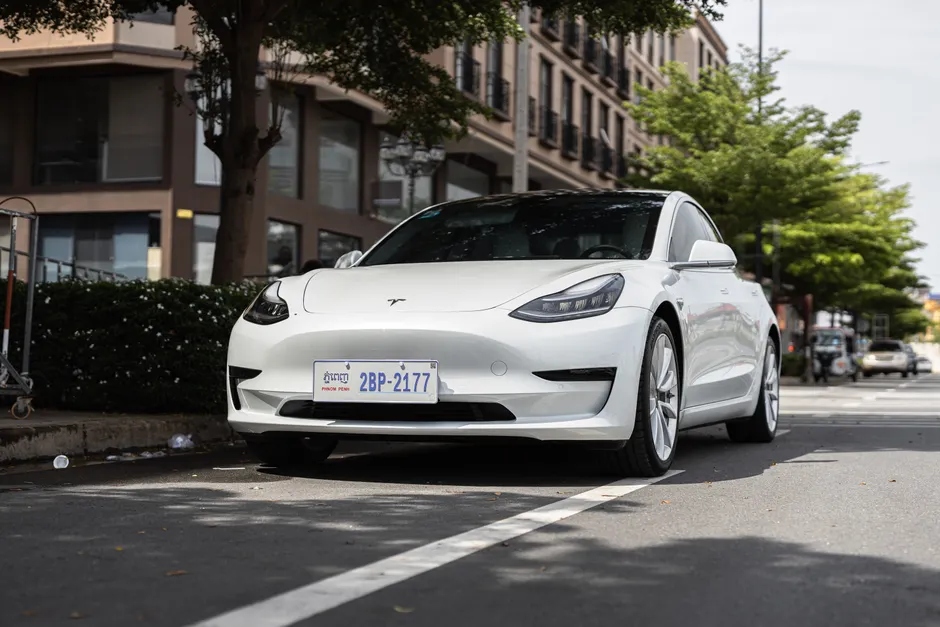
Tesla and Turo Plan to Offer Full Self-Driving (Supervised) in Peer-to-Peer Rental Cars

Tesla and the peer-to-peer car-rental platform Turo plan to extend Full Self-Driving (Supervised), Tesla's driver-assistance software, into rental fleets run by individual hosts. The plan was reported on October 26, 2026, in a TechCrunch article. Eligible Turo hosts who rent out their Teslas would receive a free one-month trial of the feature.
Renters driving FSD-enabled Teslas on Turo would see cautionary language before they drive. The language requires active supervision and a readiness to take over. Renters would also be able to view a tutorial created by Tesla.
Turo plans to advertise which Teslas on its marketplace are equipped with FSD (Supervised). To do this, Turo is working with Tesla to access Tesla's application programming interface (API) directly and verify which vehicles have the feature enabled. Eligibility would therefore come from a machine-readable check of the car's own software state, not from a host's description in the listing.
Tesla said around 1.7 million customers have paid for FSD globally, out of more than 10 million cars built and sold to date. It also said more than 75% of customers who took delivery of a car in North America in the third quarter paid for an FSD subscription. Those figures suggest paid uptake is already high among new buyers in that region.
Tesla also offers a separate route to trial. Its support page describes a 30-day trial of FSD (Supervised) for new Tesla owners. The Turo offer adds a second channel aimed at people who rent cars rather than own them.
Turo's own data points to why that group matters to the platform. Tesla's Model 3 and Model Y are the third and fourth most popular vehicles on Turo this year. Turo's research found that 55% of Americans are interested in driverless technology for travel, rising to 71% among Gen Z.
FSD (Supervised) requires the person at the wheel to stay engaged, so it is not a self-driving system in the full sense. In a rental, that responsibility falls on drivers who did not buy the car, did not configure it, and may not have read the owner's material. The renter warning and the Tesla tutorial are the controls the announcement describes for that situation. Their effectiveness will depend on whether renters actually view the tutorial and absorb the warning before they drive.
The broader context here is that the marketplace is a new distribution channel for a software feature sold on subscription. For Tesla, a rental fleet means many different drivers making short trips, a different exposure than one owner's daily commute. For Turo, a verified FSD flag is a search attribute that comes from the vehicle rather than the listing, so a host cannot easily fake it.
In my view, the most useful outcome would be a traveler who chooses an FSD-equipped car deliberately, understands its limits before leaving the lot, and can find that information in one place. Whether the verification and warning measures achieve that will become clearer as the trial runs and Turo's listings begin to show which vehicles qualify.