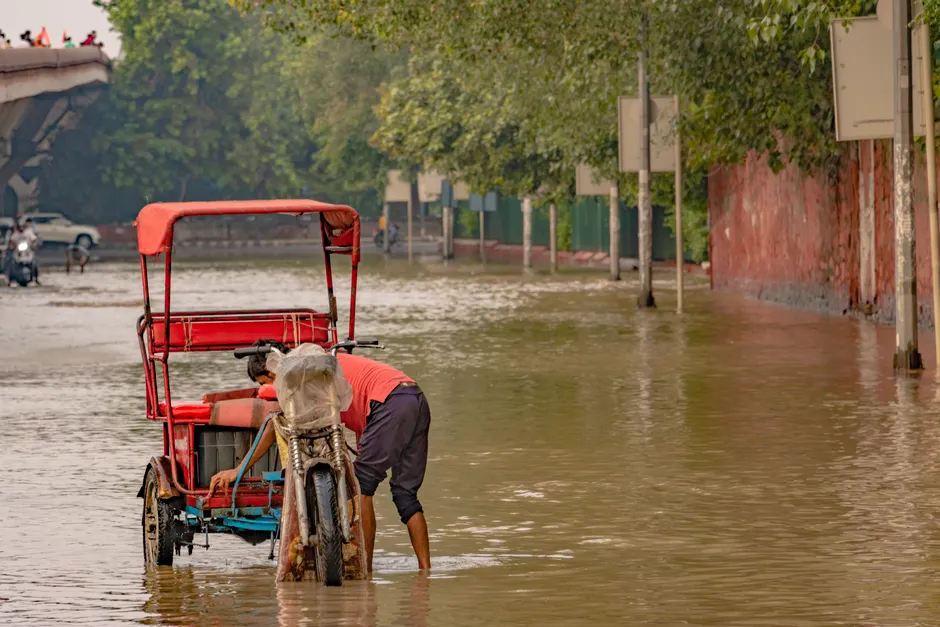
Cyclone Arnab Nears India's East Coast as Evacuations Begin

Cyclone Arnab, which India's weather agency has classed as a "very severe" cyclonic storm, was centred 260 kilometres southeast of Visakhapatnam as of October 27, 2026, and is expected to make landfall by Wednesday morning. Al Jazeera The storm formed over the Bay of Bengal, the body of water off India's eastern coast, and has strengthened since Monday, October 26.
The India Meteorological Department (IMD), the national weather agency, forecast that the storm would make landfall between Bapatla and Visakhapatnam, close to Yanam. The agency said the cyclone was very likely to weaken slightly before reaching land and would move west-northwestwards over the Bay of Bengal. Landfall was forecast for 11:30am local time on Wednesday, which is 06:00 GMT, with sustained winds of 115 to 125 kilometres an hour and gusts of up to 140 kilometres an hour.
Evacuation plans are well advanced in two states. Authorities in Odisha announced plans to evacuate 48,000 people. In Andhra Pradesh, nearly 50,000 people had been moved to shelters by Monday night, out of an estimated 400,000 people in need of evacuation, and the state's disaster management authority said more than 12 million people live along the storm's projected path. Al Jazeera
The national government has also been preparing. India's Cabinet Secretary, who heads the country's civil service, chaired a meeting of the National Crisis Management Committee, a body that coordinates emergency response, to review readiness for the storm. The government's Press Information Bureau, its official public information office, said adequate shelters and evacuation arrangements had been made for the cyclone. PIB
Daily life is also being disrupted. Odisha and Andhra Pradesh shut schools ahead of landfall. At least 12 trains have been cancelled in eastern India, and services on 53 routes along the southern coast have been suspended for Tuesday and Wednesday.
The storm's reach extends beyond the coast. Authorities in Nepal advised tourists to stay away from high-altitude areas, citing concerns that the cyclone could bring heavy rain, snowstorms and avalanches to the Himalayas from Thursday night to Saturday. Al Jazeera