Neil the Elephant Seal Returns to the Ocean—and Why His Visits Matter More Than They Seem
Neil the Elephant Seal Returns to the Ocean—and Why His Visits Matter More Than They Seem
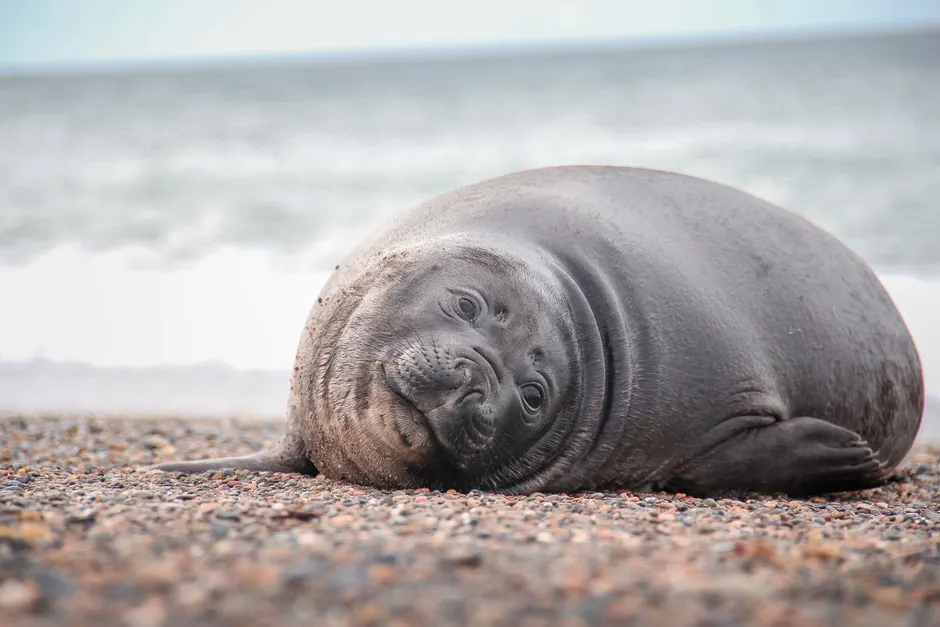
Neil, a five-year-old southern elephant seal, slipped back into the ocean on the night of July 8, 2026, ending another stay on Tasmania's roads and driveways. Tasmania's Department of Natural Resources and Environment (NRE) said the departure was "his natural behaviour and was expected" The Guardian. Over the past several years, Neil has repeatedly hauled out—that is, left the water to rest—on pavement and infrastructure around the state, earning public fascination and creating real headaches for wildlife managers trying to keep both Neil and people safe.
The department's marine conservation team continues to monitor the situation, but there is a catch: they have lost real-time visibility into where Neil goes. A satellite tracking device attached to Neil in 2023 fell off during his 2024 moult, which is the natural shedding of skin and hair that these animals do each year. The tag was recovered, but NRE has not tracked Neil since. An NRE spokesperson explained to the Guardian that the agency typically only tags animals for specific reasons—a medical procedure or a relocation—rather than for ongoing surveillance The Guardian.
While Neil was tagged, researchers gathered data that shows what he actually does when he is not on Tasmania's roads. During his tracked period, he spent roughly six months at sea each year, foraging more than 1,600 kilometers from south-west Tasmania and covering more than 5,000 kilometers on a round trip. The NRE spokesperson said this is "normal behaviour for a young male southern elephant seal" The Guardian. His Tasmanian appearances are brief pauses in what is otherwise a solitary, ocean-ranging life.
Kris Carlyon, head of wildlife health and marine life at NRE, placed Neil's story in a much larger context. Carlyon said Neil is "potentially one of the first southern elephant seal pups to be born back in Tasmania," a significant observation because the species was hunted to local extinction in the 1800s by sealers. Today, southern elephant seals breed almost exclusively on the subantarctic Macquarie and Heard Islands, thousands of kilometers to the south The Guardian. If that parentage is correct, it reframes Neil's visits entirely—not as a curiosity, but as a sign of species recovery in a region where the animal had vanished.
Carlyon acknowledged the real costs of having a wild animal of Neil's size and unpredictability living temporarily in populated areas. "Regardless of the resource burden and the challenges that Neil throws, we're pleased to see him," Carlyon said The Guardian. That statement captures a genuine tension: what is good for the species creates practical problems for people and for the agencies managing those problems.
Tasmanian Premier Jeremy Rockliff offered public remarks in a tone that has become familiar. "We'll keep an eye out for him but otherwise the traffic cones and street signs of Tasmania can breathe a small sigh of relief," Rockliff said, thanking residents for respecting Neil during his stay: "A big well done for everyone that has treated big Neil with respect and caution while he's been on…" The Guardian.
That messaging reflects a real safety concern. Southern elephant seals are large and unpredictable, and wildlife authorities have been clear: euthanasia remains a last resort if authorities cannot keep people safe around Neil. The current guidance asks the public to stay at least 20 metres (about 65 feet) from the animal, keep dogs leashed and at least 50 metres away, and avoid blocking his path to water. The goal is not to protect Neil from people, but to prevent a dangerous encounter that could force authorities to intervene in ways nobody wants. Anyone who spots him is asked to call the marine mammal hotline instead of approaching.
Here is the broader context: Neil's cycle of appearing, disrupting, and departing sits at an unusual crossroads. A species that was driven out of Tasmanian waters two centuries ago now has at least one representative using the state's roads as an occasional rest stop. At the same time, the NRE's loss of tracking ability means each return is unpredictable rather than foreseeable—wildlife managers cannot plan for his arrival the way they might with other returning animals. That uncertainty is likely to continue. Without a pressing reason to re-tag Neil—such as a medical need or a relocation decision—the NRE will likely stay in its current posture: passive monitoring and public advisories. That will remain the arrangement unless Neil, or another elephant seal like him, comes ashore again.


