AI's Power Appetite Is Straining the U.S. Grid, and Two Startups Want to Ease the Load

U.S. electricity demand is rising sharply because of the AI boom, and the grid connections that new data centers require are testing infrastructure that critics describe as aging. In late October 2026, TechCrunch reported on the grid-modernization opportunities raised by that load growth, drawing on remarks from three speakers at TechCrunch Disrupt that month: Apoorv Bhargava, founder and CEO of WeaveGrid, Tim Heidel, CEO of Veir, and Kristin Eberhard, VP of policy at Rewiring America.
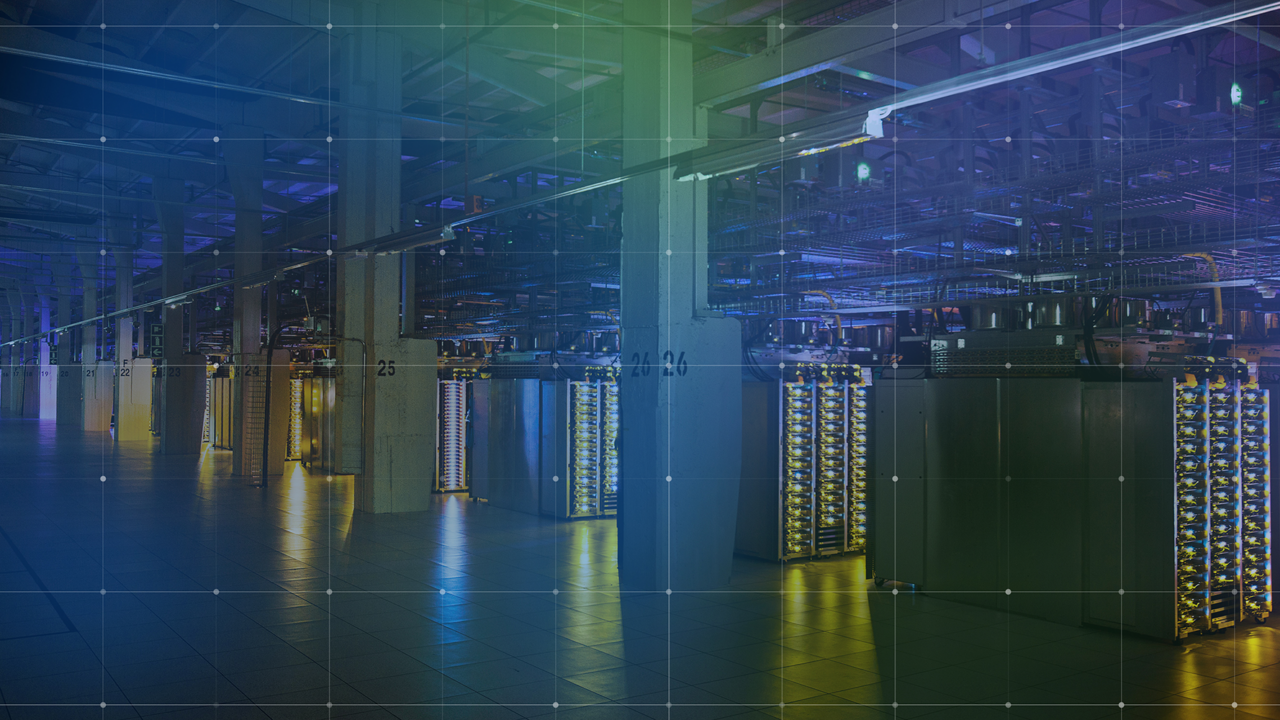
Reuters reported on October 8, 2026 that U.S. data center electricity use was about 177 to 192 terawatt-hours (TWh, or billions of kilowatt-hours) in 2024, and is projected to reach between 383 and 793 TWh by 2030. The Department of Energy's Electricity Demand Growth Resource Hub, updated October 16, 2026, puts data centers at about 4.4% of total U.S. electricity consumption in 2023 and expects that share to reach roughly 6.7% to 12% of the total. The International Energy Agency estimates that data centre consumption grows by around 15% per year from 2024 to 2030, more than four times faster than total electricity growth, and that it will exceed 945 TWh by 2030. Reuters, citing its own February 2026 reporting, expects overall U.S. electricity demand to rise by close to 2% per year on average between 2025 and 2030. The Electric Power Research Institute describes data centers as the fastest-growing source of U.S. electricity demand.
The shape of the demand matters as much as its size. DOE's July 2024 recommendations note that connection requests for hyperscale facilities (the very large data centers run by major cloud operators) run 300 to 1,000 MW or larger. A single megawatt is one million watts, so that range is comparable to the output of a single large power plant per site. Loads of that size do not fit into existing substation capacity, the local equipment that steps high-voltage power down for distribution, and the equipment needed to upgrade it is scarce. Reuters reported on July 9, 2026 that AI data center demand is worsening shortages of critical grid equipment, transformers chief among them. Some hyperscalers have turned to on-site generation as a bridge. Reuters reported on October 23, 2026 that fuel cells are gaining traction among U.S. hyperscalers building data centers for the AI boom amid grid constraints.
The risks are concrete. Concerns exist that the energy crunch could raise electricity bills in the short term, and that it could cause outages or technical problems over the longer term. Critics describe the surge in new connections as a stress test for the grid. The question for utilities is whether they can absorb large, fast-arriving loads without degrading reliability for existing customers.
Two startups presented approaches to that question at Disrupt. WeaveGrid sells software for load orchestration, which coordinates when and how much equipment draws power. The product is designed to help utilities get more out of the system they already have, and to optimize new connections in ways intended to reduce utility bills. Veir sells superconductive power lines, conductors that carry electricity with almost no resistance at low temperatures. Veir states that its cables can carry power five times further than traditional cables while requiring 20 times less space. The company raised $110 million in a Series C round in October 2026. Those figures are company claims.
The two approaches address different constraints. Load orchestration works on the demand side and on the timing of consumption, while superconducting transmission addresses the physical capacity and right-of-way (the land corridor a line needs) that limit how much power can move between regions. A utility will rarely need only one of them. DOE's grid modernization guidance lists improved security, reduced peak loads, greater integration of renewables and lower operational costs among the benefits of a modernized grid, and those goals run through both categories.
In my view, the most useful question for the next few years is less about how many megawatts the AI build-out adds and more about when those megawatts are drawn. A data center that can shed or shift load during peak hours presents a different planning problem from one that runs flat out at all times. Software that makes that flexibility visible to a utility, and that prices it, could matter as much as new copper or superconductors.
The broader context is that the AI build-out is no longer only a chip and model story. Power availability, interconnection queues (the waiting lists for new grid connections) and transformer lead times now shape where and when capacity can come online. If load orchestration and advanced transmission deliver on their stated aims, the same demand that strains the grid could also become the reason utilities invest in it. Whether that happens will depend on how quickly those technologies move from pitch to deployment, and on whether ratepayers see the benefit in their bills.