Data Center Backlash Crosses Party Lines in the 2026 Midterms
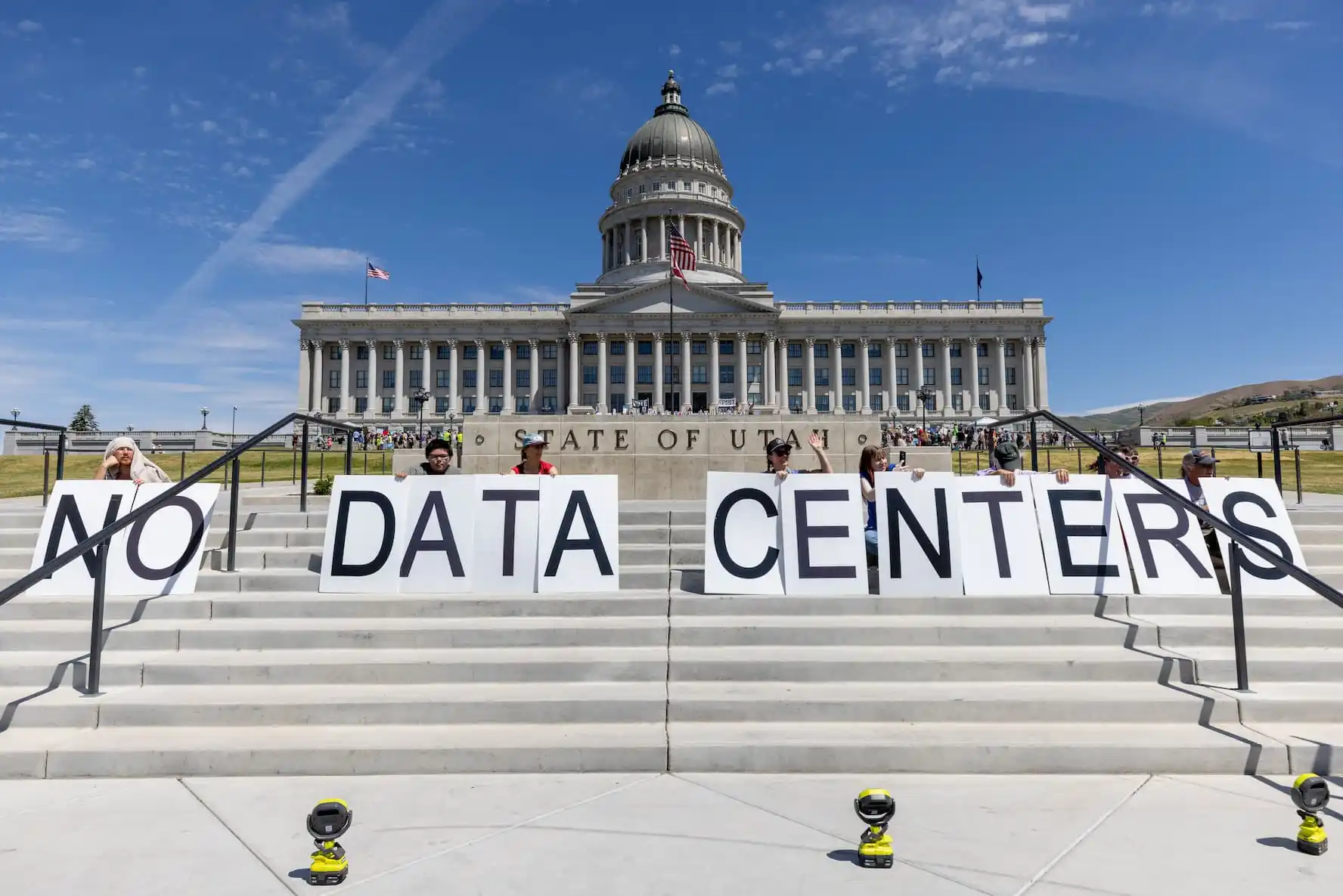
Data centers have become a major issue in many 2026 congressional and gubernatorial campaigns, and local opposition to their construction has spread across the United States. The Verge, which published its piece on 27 October 2026 under the headline "Data center backlash is uniting America," reports that the buildout, with its construction costs and associated infrastructure work, has provoked resistance in communities of many political stripes.
The article describes some midterm races as contests between "people who hate data centers" and "people who hate them even more." That framing is blunt, but polling points in the same direction. An October 2026 Reuters/Ipsos poll found 69% of Democratic registered voters backed limits on building data centers. A July 2026 Fox News poll found 70% of voters opposed building data centers in their area to support AI, a result CNN reported in August. A POLITICO poll published on 25 October shows Americans increasingly opposed to siting data centers near their homes, and increasingly inclined to back candidates who oppose them.
The issue is showing up in specific races. In Texas, Democratic Senate candidate James Talarico unveiled his Hold Data Centers Accountable Plan in July 2026. In August, Republican Senate candidate Ken Paxton unveiled his Texas First Data Center Plan. Both are campaign proposals, not enacted policy. Texas ranks second in the number of planned data center projects in the United States, behind Virginia.
In Ohio, Democratic Senate candidate Sherrod Brown is running an ad calling incumbent Sen. Jon Husted (R-Ohio) the "face of data centers." Reuters reported in September that construction of the facilities had become a contentious issue in the rural Midwest ahead of the congressional elections.
In Pennsylvania, Inside Climate News and Penn Capital-Star report that the facilities are front and center in the state's competitive House races. Harvie is the only candidate so far to say he supports a moratorium, meaning a temporary halt on construction. In New York's 17th District, voters are debating candidates' positions on data centers, nuclear power and artificial intelligence ahead of Election Day.
The money behind the debate is also substantial. The super PAC Leading the Future, backed by Marc Andreessen and OpenAI President Greg Brockman, has spent $45 million in a year. Public First Action, which is described as an Anthropic-backed group supporting AI safeguards, says it has raised $80 million. Both organizations are spending in a contest where the policy question is no longer abstract for voters who live near a proposed site.
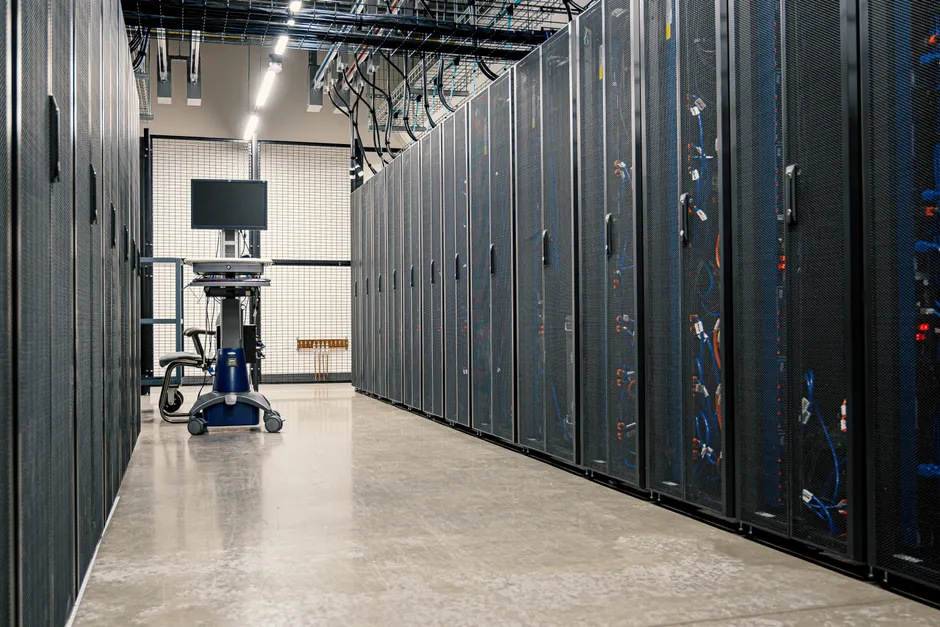
The load numbers explain why the issue has moved from zoning boards into statewide campaigns. The U.S. Department of Energy reports that data centers consumed about 4.4% of total U.S. electricity in 2023. Its more recent estimate puts the share at 11.8% of total U.S. electricity use by the end of the decade, with scenarios ranging from 9.5% to 15.3%. The Reference Case projects 649 TWh (terawatt-hours) of data center electricity use in 2030, which DOE calculates as 11.8% of forecasted 2030 U.S. electricity use. Separately, the Electric Power Research Institute estimates that data centers could grow to consume up to 9% of U.S. electricity generation annually.
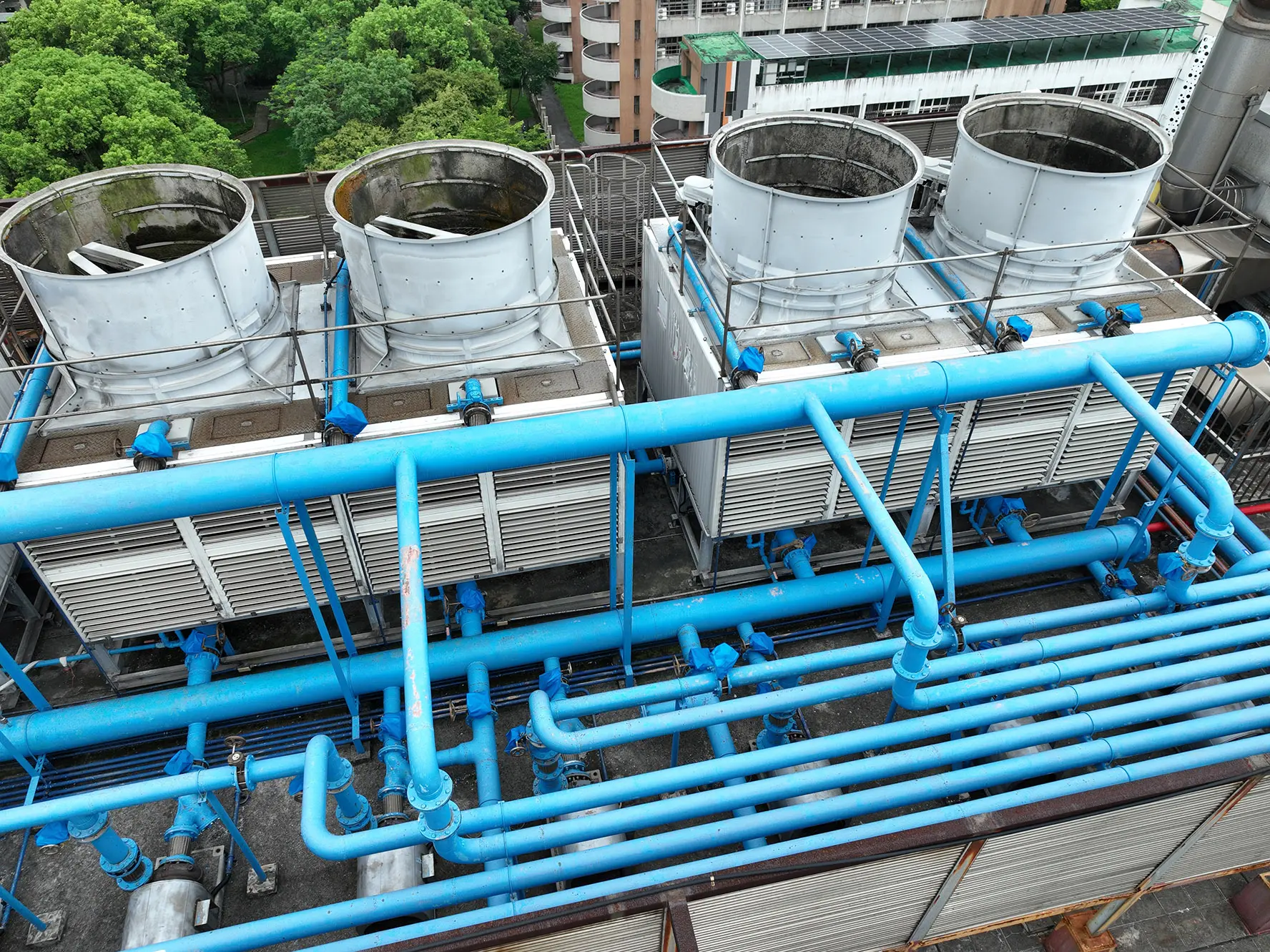
Those projections are the reason construction is now a local land-use and ratepayer question, not only a capital-expenditure story. A facility that adds several gigawatts (billions of watts) of load to a regional grid changes the economics of transmission lines, generation procurement and, in many states, the rate base, which is the infrastructure cost that utilities recover through customer bills. Communities are asking who pays for that build-out and how quickly it arrives. Candidates are answering with proposals that range from moratoria to accountability requirements to state-first siting rules.
The broader context here is that the same demand growth that worries voters also gives utilities, developers and grid operators a strong reason to invest in new generation, transmission and efficiency. Whether that investment arrives on terms local communities accept will depend on the policy choices now being argued in these races. The pattern is familiar from earlier infrastructure fights over highways, power lines and cell towers: the technology gets built where the economics favor it, and the public argument moves to the place where the cost lands. What is new is the scale of the load and the speed at which it is arriving.