US Doubles Down on Iran Strikes as June Peace Deal Unravels

The United States struck approximately 90 Iranian military targets early Thursday, July 9, 2026—its second major air campaign in as many nights. The strikes hit sites across Iran, including in Tehran, and represent the largest single escalation since Washington and Tehran signed a memorandum of understanding in June 2026. Al Jazeera reported the toll.
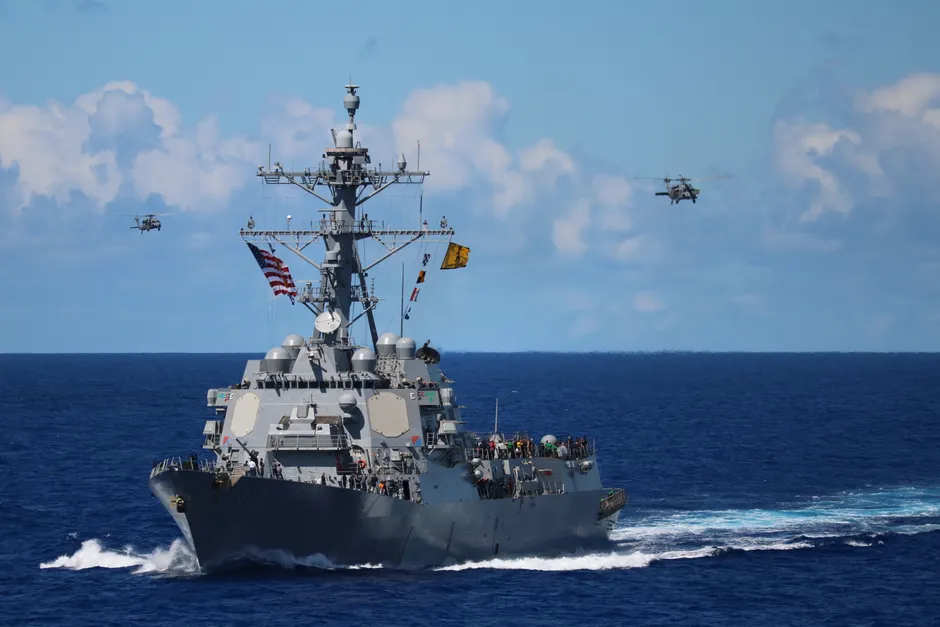
The Wednesday strikes hit roughly 80 targets, with more than 60 of those directed at small boats operated by Iran's Islamic Revolutionary Guard Corps (IRGC). CENTCOM, the US military command overseeing Middle Eastern operations, said these were in retaliation for Iranian attacks on three commercial tankers in the Strait of Hormuz earlier in the week—the M/T Al Rekayyat, M/T Wedyan, and M/T Cyprus Prosperity. CENTCOM issued a statement titled "U.S. Forces Complete New Round of Retaliatory Strikes Against Iran." Thursday's follow-up was described as "another round" of strikes.
At least 14 people have been killed across the two nights, including at least one IRGC member, according to Al Jazeera. Iran responded by firing on US military positions and facilities in neighboring Gulf states. Air raid sirens sounded in Bahrain hours after the Thursday strikes began, per Al Jazeera.
The timing carried symbolic weight: the strikes came as Iran conducted funeral rites for Ayatollah Khamenei, the Supreme Leader killed in US-Israeli strikes in February 2026. Washington has also revoked the oil export waiver that was central to the June agreement, removing a key economic incentive that had been meant to hold the deal together.
On Wednesday at the NATO summit in Ankara, President Trump told reporters he considered the memorandum "over," though he suggested talks could continue. He stated the strikes would not trigger a "long-term" military campaign. Those comments preceded Thursday's escalation to roughly 90 targets—a gap between stated intent and the scale of operations that will likely fuel debate among US allies and Iran about whether Washington has real limits on this conflict.
What caused the current fighting? Iran attacked the three tankers in the Strait of Hormuz in early July. But the picture is less clear than it may seem. Hossein Royvaran, a Tehran-based analyst, told Al Jazeera the vessels may have drifted into waters where Iranian teams were clearing naval mines, a fact that would muddy the narrative of a deliberate attack on neutral shipping. Neither government has clarified this ambiguity, and CENTCOM's language treats the tanker incident as intentional.
The Strait of Hormuz—a critical chokepoint through which roughly one-quarter of global oil shipments pass—has become nearly impassable. Most vessels now use only a northern route Iran has designated as safe. The International Maritime Organization's Secretary-General, Arsenio Dominguez, reported that roughly 6,000 sailors remain stranded in and around the strait, a figure that underscores how quickly a corridor carrying enormous volumes of global trade can freeze when combatants exchange fire nearby.
What comes next is uncertain. The June memorandum was intended to hold after February's strikes killed Khamenei: Iran would accept limits on its military activities; the US would ease sanctions on Iranian oil. Its collapse—through Iran's tanker attacks, two nights of American strikes reaching nearly 90 targets, and now the formal removal of the oil waiver—has left both sides without a clear diplomatic framework or off-ramp.
Trump's comments in Ankara suggest Washington wants to keep a diplomatic channel open even as it escalates militarily—a familiar US posture of pairing strikes with an implicit offer to negotiate. Whether Tehran, burying its Supreme Leader while facing continued American strikes on its capital, can or will engage that offer is a different question. The IRGC losses and the scale of targeting will weigh on Iran's calculus for how to respond in the Gulf, particularly as Bahrain's air raid sirens show the fighting is already spreading beyond Iranian borders.
The oil waiver's removal eliminates the most concrete economic incentive that had supported the June deal, and it happens precisely as military operations have intensified rather than paused. Global energy markets and shipping companies will be watching whether the northern Hormuz passage becomes the only reliable corridor, and whether the 6,000 stranded sailors will become a permanent feature of this crisis.