At Least 64 Killed as Two High-Speed Trains Collide Near Toledo, Spain

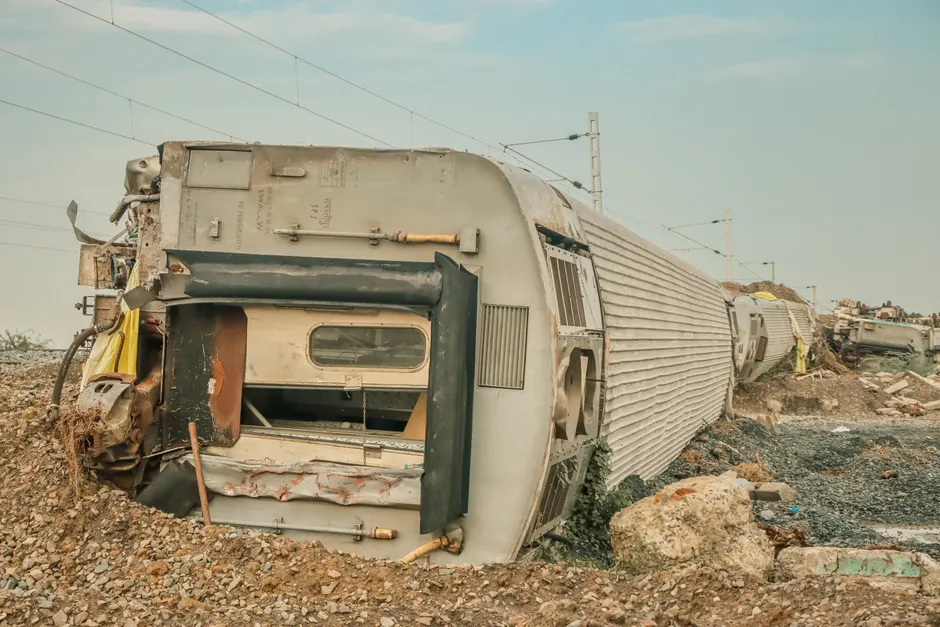
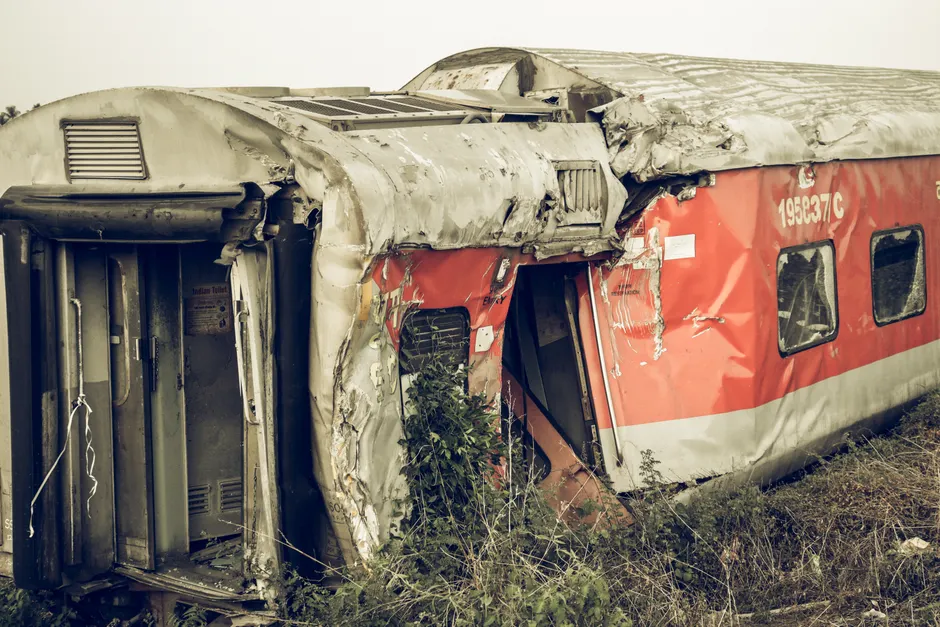
At least 64 people were killed on Oct. 28, 2026, when a state-owned Renfe train travelling at high speed struck an Iryo train that had stopped on the same line near Toledo, in central Spain. The Guardian reported that several carriages derailed and that the two trains carried 544 passengers in total. Yahoo News reported that at least 80 people were injured in the collision, which it placed south of Madrid.
The Iryo train had been halted because of a signalling fault, on orders from Adif, the infrastructure manager that runs the track and its signals. The sequence that followed was set out in live coverage by The Guardian. Around 8:30 a.m., the LZB automatic train control system failed because of communications problems, leaving just over 60 kilometres of track without coverage. The failure automatically stopped six trains on that stretch.
Around 8:36 a.m., Adif's control centre issued a manual instruction to override the stop warning and let traffic resume. The second high-speed train then travelled 25 kilometres in about 25 minutes before it collided with the stationary Iryo train.
Transport Minister Óscar Puente said the train cleared to restart should have proceeded "on sight" at a maximum of 40 km/h under strict restrictions, not at normal speed. He said the person responsible for the decision to restart traffic is now under investigation. Puente also said a similar resume order had been issued to at least one other train, whose driver pushed back against the order with traffic control. He said he had reviewed a full reconstruction and audio recordings of communications between the affected trains and traffic control.
Renfe said in its own statement that its train had been instructed to continue, and that it crashed into the stationary Iryo train "for reasons we don't know". The statement concerned the accident between Los Yébenes and Urda in Toledo, and it was issued on Oct. 28, 2026.
The collision comes less than a year after a crash near Adamuz in Andalusia, in January 2026, that killed 46 people and left dozens more injured. The Guardian noted that both crashes involved the same train operators on the Madrid–Andalusia line, which is the oldest line on Spain's high-speed network. Spain's high-speed system is the most extensive in Europe and the second largest in the world after China, and train travel in Spain grew by 40% between 2019 and 2024. Some 25 million passengers used a high-speed train in the first half of 2026. Spain's worst rail disaster remains a 2013 crash near Santiago de Compostela, which killed 80 people.
The Guardian also reported that the crash took place a day before a planned 24-hour work stoppage at Renfe by Spain's largest train drivers union.
The Andalusian regional government has declared three days of mourning. Renfe has activated PAVAFF, its assistance plan for victims of rail accidents and their relatives, and has listed 900 10 10 20 as the telephone number for relatives. The UK Ambassador to Spain, Alex Ellis, published the number 0034 91 714 6300 for British nationals affected by the crash who need consular support.