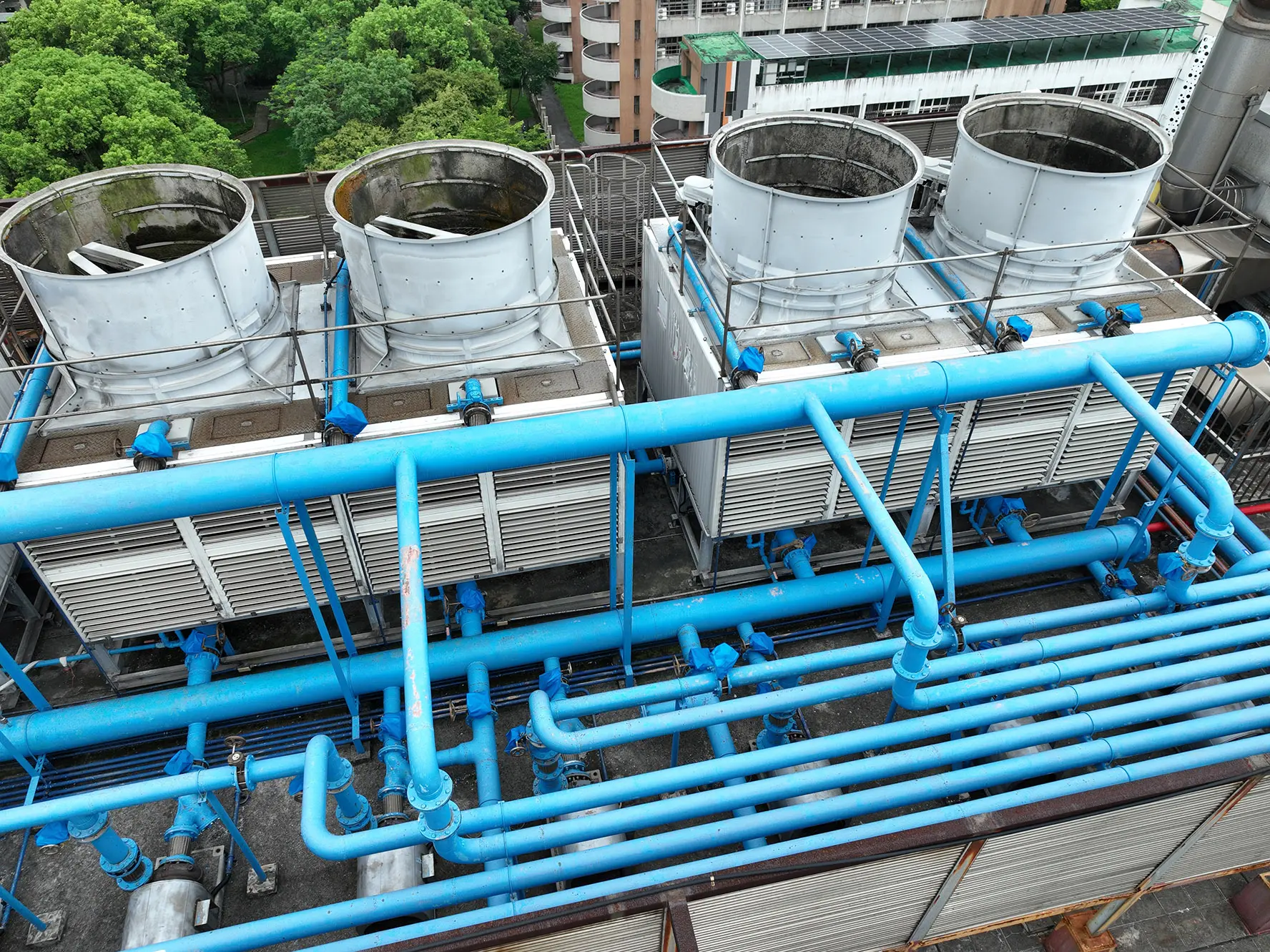
TSMC's Arizona Complex Draws Nearly 5 Million Gallons of Water a Day
TSMC's Arizona complex uses nearly 5 million gallons of water per day, drawn from Phoenix's municipal supply, according to The Verge.
Taiwan Semiconductor Manufacturing Company (TSMC) is the world's leading producer of microchips, and the Arizona operation is one of its major overseas manufacturing sites. The Verge reports that the complex grew out of a pre-pandemic bet by Phoenix to revive its economy after the Great Recession. The city's bet has since become a large industrial water customer.
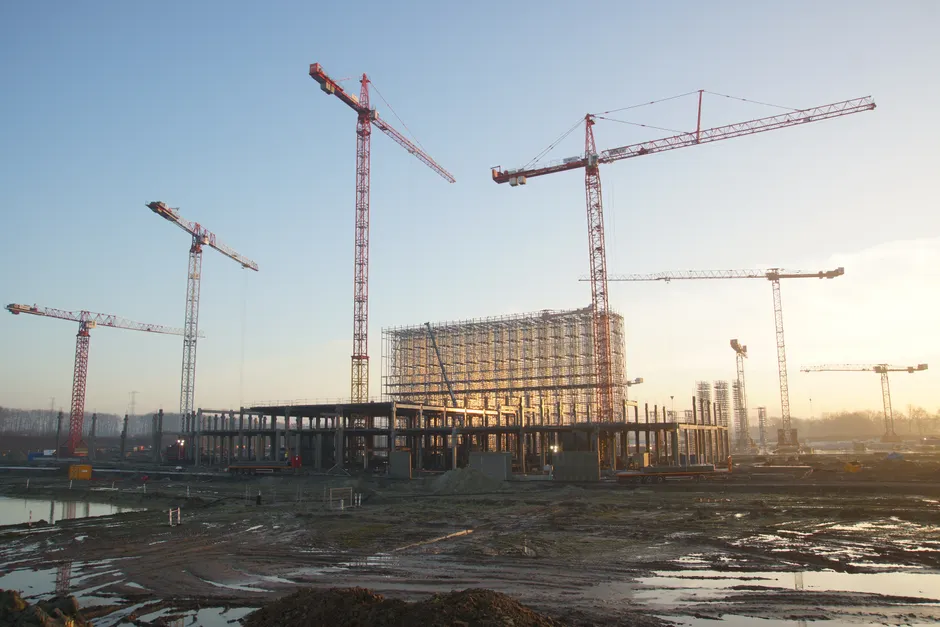
TSMC says it can recycle up to 65 percent of the water it uses in Phoenix, according to The Verge's November 2025 reporting. The company is also building an industrial water reclamation plant at the Arizona manufacturing site, with the stated aim of reaching near-zero liquid discharge (recovering nearly all process water so little wastewater leaves the site), as a July 2026 Verge feature describes. Recycling and reclamation reduce the fresh-water draw and the discharge volume. The reclamation plant, however, is still a construction project.
The scale of the demand is easier to read against comparable facilities. Arizona is home to 172 data centers, according to The Verge. Google's data center in The Dalles, Oregon uses about 1.5 million gallons of water per day, roughly a third of the Arizona complex's daily figure. The average semiconductor factory uses as much water as 33,000 U.S. homes, Reuters reported in January 2026. That figure places a single advanced fab alongside a mid-sized municipal customer, not a rounding error.
Capacity is still expanding. In July 2026, Reuters reported that TSMC pledged to invest a further $100 billion in the U.S. to expand its Arizona facilities, and that the company sees strong, multi-year demand for its AI chips. The Arizona water draw therefore sits on a rising baseline, not a fixed one.
The water question is not confined to Arizona or to chip fabs. Reuters reported in October 2026 that at least 17 data center campuses have been proposed on U.S. public lands, according to a group cited in its reporting. Many of those projects would draw on the same regional aquifers (underground rock layers that hold water) and municipal systems that already serve industrial users in the arid Southwest.
In my view, the more useful question is not whether a fab uses a lot of water, since the figures make clear that it does, but how a utility allocates a constrained resource among industrial, residential and agricultural users when several large consumers arrive at once. Recycling percentages and discharge targets are measurable commitments, and they should be judged against metered draw over time. A 65 percent recycling rate and a 5-million-gallon daily intake describe different things, and a reader needs both to understand the net footprint.
The broader context here is that semiconductor and data center companies are now competing for the same water as the cities that host them. The engineering answer, closed-loop reclamation (reusing water within the plant rather than discharging it), higher recycling rates and tighter discharge limits, is already being deployed at TSMC's Arizona site. What remains open is how much of that improvement reaches the municipal balance sheet, and whether the same standards apply to the public-land data center projects now being proposed. Those are the measurements worth following into the next planning cycle.