Two Waves of U.S. Strikes on Iran: From Nuclear Targets to Broader Military Campaign

U.S. Central Command completed a second consecutive round of strikes against Iran on July 8, 2026, expanding a campaign that hit more than 170 targets across two days using both Navy and Air Force weapons CBS News. The July 7 strikes alone covered more than 80 targets with precision munitions CENTCOM, followed by an additional wave described as intended to further degrade Iranian military capabilities CENTCOM.
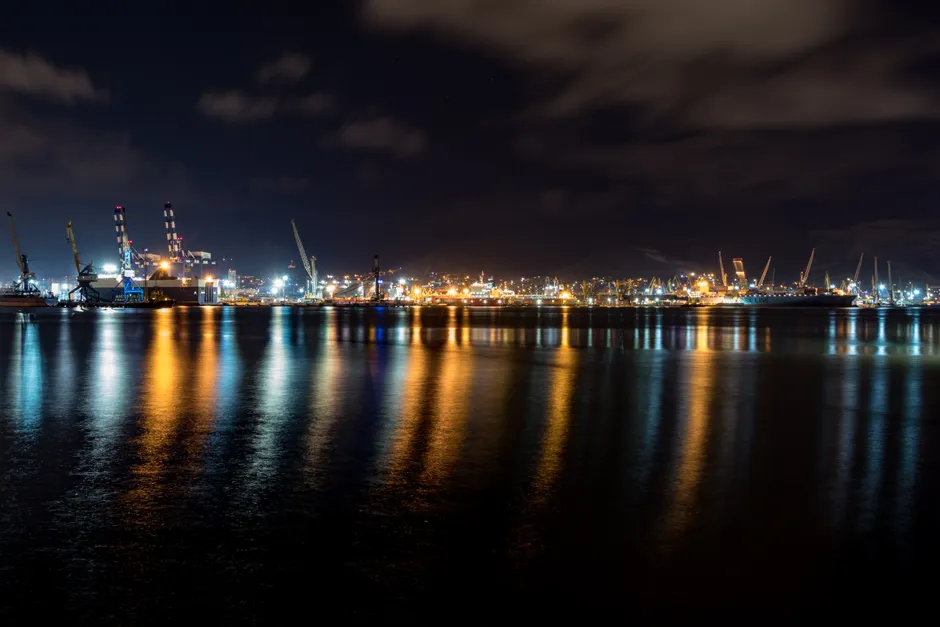
According to CENTCOM's accounting, the target set included military infrastructure in Iranian port cities New York Times. Iran's Health Ministry reported 14 deaths in the strikes AOL/Reuters. Neither CENTCOM release specifies the exact breakdown of aircraft or munitions used, and the geographic spread across port facilities suggests a deliberate effort to target both fixed military installations and maritime infrastructure relevant to any Iranian response involving the Strait of Hormuz.
This broader campaign represents a significant departure from June operations. On June 22, U.S. forces struck Iran's Fordow Fuel Enrichment Plant using 30,000-pound GBU-57 Massive Ordnance Penetrator bombs—specialized weapons designed to penetrate deeply buried, heavily reinforced underground targets like Fordow's mountain enrichment facilities Department of Defense. The Pentagon later characterized that operation as the product of roughly 15 years of planning and weapons development aimed at precisely this kind of hardened target Department of Defense. General Dan Caine told reporters at the time that there was no detectable retaliation against U.S. forces during or immediately after the Fordow strikes Department of Defense.
By July 2, Pentagon spokesman Sean Parnell told reporters that the combined U.S. and Israeli strikes had moved Iran further away from nuclear weapons capability Department of Defense. That assessment framed the June operation as damage to Iran's enrichment timeline—slowing its nuclear progress—rather than a claim to have destroyed its entire nuclear program. The difference between these two campaigns is instructive. The June strikes focused narrowly on nuclear facilities, while the July 7–8 campaign struck a much wider array of conventional military and port targets.
The shift in what was targeted matters for understanding U.S. strategy. A strike confined to Fordow signals a focused counter-proliferation objective with a clear end point. A follow-on campaign hitting more than 170 targets, including port infrastructure, looks more like a broader effort to damage Iran's conventional military capacity and limit its options for retaliation through proxy forces, missile stockpiles, or naval assets in the Gulf. Whether this reflects a judgment that nuclear strikes alone were insufficient, or stems from a separate decision tied to Iranian actions in the two weeks between campaigns, is not addressed in the CENTCOM releases.
The reported Iranian casualty figure—14 dead according to Tehran's Health Ministry—has not been independently confirmed by U.S. sources in publicly available material, and casualty reporting from inside Iran during active conflict has historically been difficult to verify as it happens. CENTCOM's releases focus on target counts and mission completion rather than casualty accounting, a familiar imbalance in how the two sides characterize the same events.
The path forward remains unclear. CBS News reporting current as of July 10 places these strikes alongside ongoing ceasefire talks and concerns over the Strait of Hormuz, suggesting diplomatic channels remain open even as military operations continue CBS News. This parallel track—kinetic operations running alongside negotiation—has appeared in other extended air campaigns, where military pressure and diplomacy proceed together rather than one after the other. What CENTCOM statements do not clarify is whether the July strikes serve as leverage for talks, or as a standalone military objective regardless of negotiation outcomes. For now, the record is clear: two nights of strikes, over 170 targets, and a widening gap between the narrowly scoped nuclear operation of June and the broader campaign underway in July.