How a 60-day ceasefire between the US and Iran came undone over a single word

How a 60-day ceasefire between the US and Iran came undone over a single word
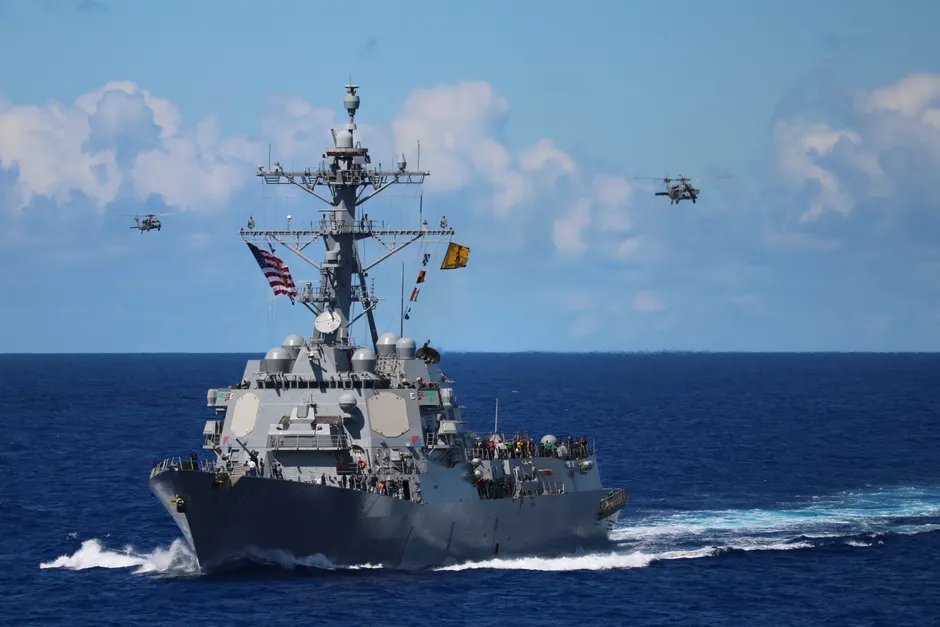
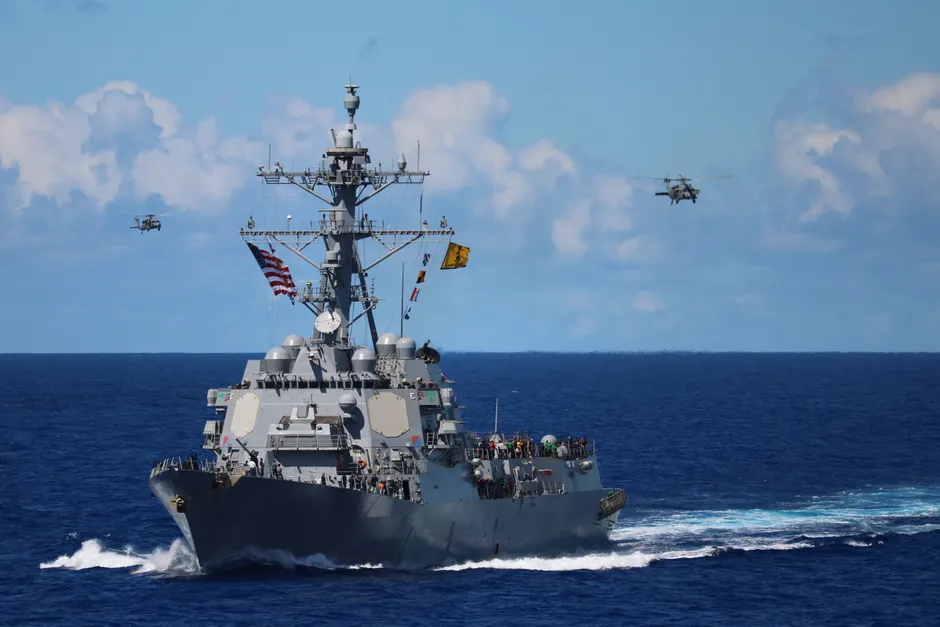
The US military struck more than 80 targets across Iran on Tuesday, using language about defending shipping routes to justify the campaign. The strikes hit air defense systems and radar sites near the Strait of Hormuz, the narrow waterway through which roughly one-third of the world's seaborne oil passes Reuters. Iranian state media reported explosions in several port cities — Sirik, Qeshm, Bandar Abbas, Konarak, Chabahar, and near Bushehr — with air defenses activated BBC; Al Jazeera.
President Trump, speaking from a NATO summit in Ankara, declared the ceasefire "over" and said he would "probably hit them hard again tonight." He dismissed the possibility of talks as "a waste of time," even though the formal negotiating period doesn't expire for weeks yet BBC; Al Jazeera.
What set off the crisis
Three tankers were hit in the Strait of Hormuz on Tuesday. The US military responded by ordering strikes it described as "powerful," and Iran fired back Wednesday when its Islamic Revolutionary Guard Corps attacked American military installations in Bahrain and Kuwait. Iran's Foreign Minister Abbas Araghchi framed this retaliation on social media as defending principle: "We do not answer vulgarity with vulgarity, but with action: fearlessly and with great valour" BBC; Al Jazeera.
The two sides have been through this cycle before. Washington struck Iran on June 26 after a projectile hit a cargo ship, and again on June 27 following another tanker attack CENTCOM; CENTCOM. Both times, the two governments stepped back from the brink. This latest exchange is the worst breakdown since the agreement was signed BBC.
Where the deal actually fractured
A memorandum of understanding signed on June 17 committed both sides to a 60-day pause for talks. One sentence in that agreement — Point 5 — was supposed to settle the question of shipping safety. It says Iran will "make arrangements using its best efforts for the safe passage of commercial vessels, with no charge for 60 days only, from the Persian Gulf to the Sea of Oman, and vice versa."
The problem: both governments read that same sentence entirely differently. Iran's Foreign Ministry spokesman Esmaeil Baghaei says the wording gives Tehran the authority to decide what "safe passage" means — in effect, letting Iran control who goes through the strait and under what conditions Al Jazeera. The US reads it as an unconditional promise that all ships can pass freely, with no restrictions Al Jazeera.
That interpretive gap explains why the ceasefire failed. The 14-point framework negotiated in mid-June covered the basics: a two-month pause, safe passage guarantees, and US sanctions relief in exchange for Iran's restraint. But the agreement lacked an enforcement mechanism — no inspectors, no verification procedures, no independent referees. Instead, it relied on goodwill. When each government decided it had the right to define compliance, the document stopped working as a ceasefire and became a piece of paper each side could point to while continuing to strike.
What comes next is less clear
Trump's public statements have escalated far beyond the immediate tanker dispute. He has proposed targeting Iran's power plants and water systems — measures that legal experts characterize as war crimes under international law. He also suggested the US might seize Kharg Island, Iran's main oil export terminal, reinstate a naval blockade of Iranian ports, or force Iran to abandon its nuclear program without any negotiated agreement in return Al Jazeera. CNN reported the US has already reimposed sanctions on Iranian oil CNN.
So far, the actual strikes have targeted air defense systems and radar installations near the Strait of Hormuz — operations focused on degrading Iran's ability to monitor and respond to ship movements. But seizing Kharg Island, imposing a blockade, or bombing water and power infrastructure would mark a sharp shift in scale. These are not operations aimed at strait security; they are direct attacks on Iran's economy and civilian population.
Whether Trump's threats are negotiating tactics delivered from a NATO podium, or real plans being readied, remains unclear from what's public. What can be said is that the gap between his rhetoric and what the military has actually executed so far has narrowed each time, not widened. Previous rounds of threats were followed by the promised strikes, if in more limited form. That pattern matters. If it holds, the current 60-day clock on negotiations may be running down not because talks are proceeding behind closed doors, but because the window for diplomacy is genuinely closing.