Plymouth Ends Its Flock Camera Contract, but the Hardware Stayed on the Poles

Plymouth, Minnesota, has stopped using its Flock Safety license plate readers after the city council voted in September to terminate the contract. The city had 16 Flock license plate readers, and the council cited data privacy concerns for halting their use. The mayor was the sole vote against the termination.
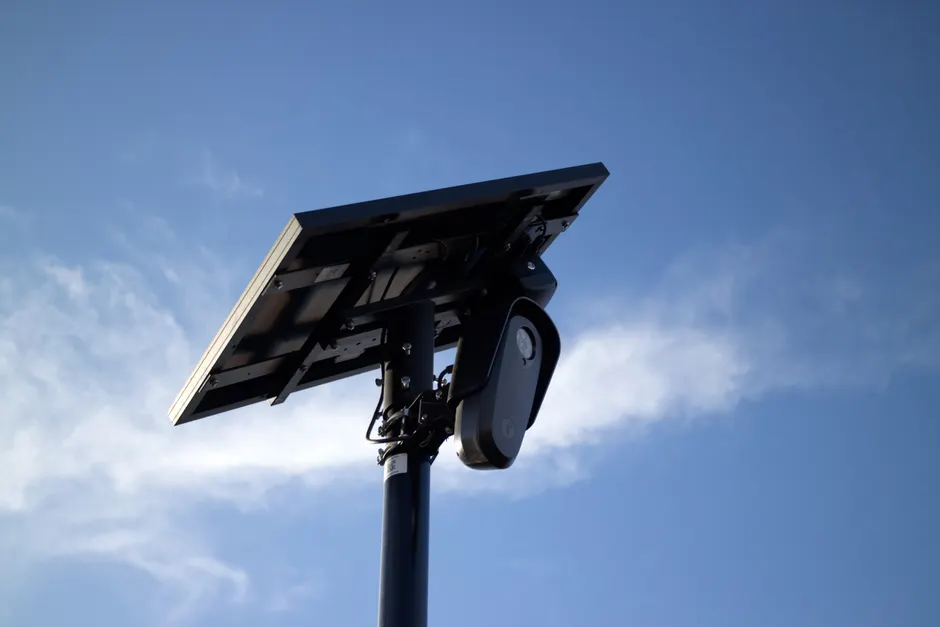
Halting use and removing hardware are different things. According to The Verge, Flock Safety provided no acknowledgment of Plymouth's termination for more than a month after the vote, and the cameras remained in place during that period. Police Chief Eric Fadden directed staff to disconnect the power cords from the Flock cameras, so the units were no longer functioning or recording license plates.
The pattern appears in other municipalities as well, according to the same report. In Dayton, Minnesota, Flock told the city it would take up to 60 days to remove its equipment after acknowledging the city's cancellation request. The Dayton Police Department learned on September 17, 2026, of a Flock maintenance work order. On September 18, the city notified Flock that the program was on hold and that no work orders were to be completed. Flock nonetheless reconnected two cameras in Dayton without authorization, after local police had asked that no work order be completed.
Elgin Community College in Illinois also sought to cancel its Flock Safety contract. The company refused to take down the cameras, and cameras were subsequently uncovered at the college.
Taken together, these cases describe a sequence that is simple to state and harder to carry out. A city or institution can vote to end a subscription, but the sensors stay in place until the vendor schedules their removal. In the Plymouth and Dayton accounts, that gap left the customer relying on local measures, such as cutting power or instructing staff to refuse maintenance, rather than on a completed vendor decommissioning. The steps taken on the city side were the ones that took effect.
The broader context here is the data itself. Automated license plate readers, cameras that photograph vehicle plates and log the time and location, capture images at scale. For a council, the privacy question is not only what the cameras record while switched on, but who keeps control of the collected data and the hardware once a contract ends. Plymouth's council framed its decision around privacy. The episodes in Dayton and at Elgin suggest that a termination clause on paper and a working decommissioning process in the field are separate pieces of governance, and that customers may need to verify the second one directly.
In my view, the most useful lesson for public agencies and campus security teams is procedural. A cancellation should be handled as an engineering task with a written checklist: confirmed removal dates, a documented power-down, written instructions to maintenance contractors, and a physical audit of each unit. Without those steps, the customer's exit depends on the vendor's cooperation, and the cases reported this fall show that cooperation cannot be assumed.
Plymouth's decision also shows what a municipality can do on its own. Cutting power and freezing work orders are within a city's control, and according to the reports, those are the measures that actually stopped the cameras from operating in Plymouth. The longer question, which local governments and vendors will have to settle, is how an end-of-contract process for surveillance hardware should work so that a cancellation takes effect on the day it is voted.