How the Bahamas' New Aviation Authority Faces Its First Major Crash Investigation
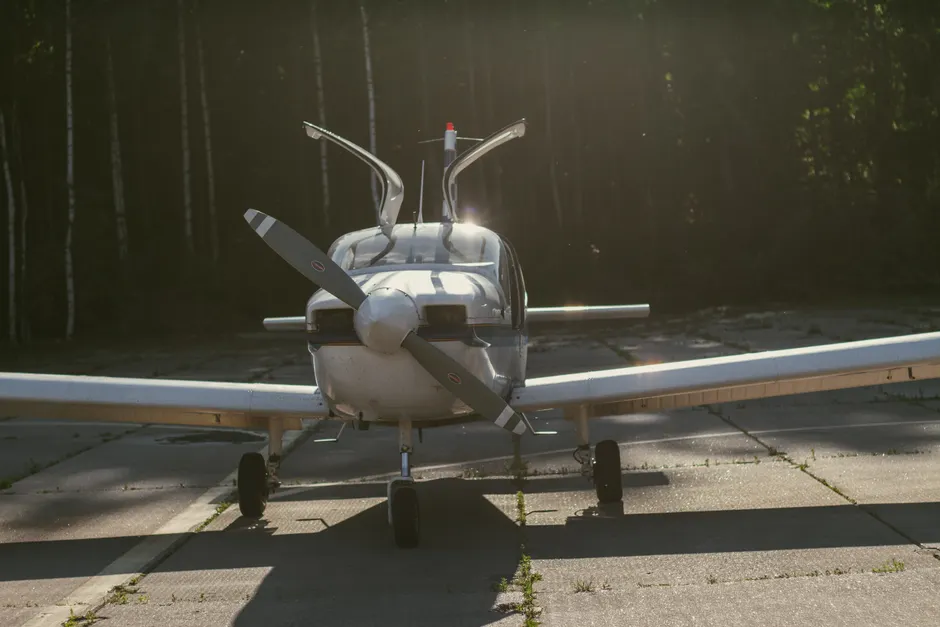
A plane crashed near North Andros Airport on July 10, 2026, with one survivor, according to Prime Minister Philip Davis X (@OurNewsRev). Davis extended condolences to the families affected. The Office of the Prime Minister held a live press conference that day OPM Bahamas. ZNS Network, the state broadcaster, reported the incident with video from the crash site ZNS Network, and North Andros Chief Councillor Travis Mackey spoke to reporters from the scene ZNS Network. As of now, the number of people aboard, the aircraft operator, and the aircraft type remain unconfirmed.
Andros is the Bahamas' largest island by area but sparsely populated. Its airstrips handle a mix of scheduled inter-island carriers, charter flights, and private aircraft typical of the archipelago's domestic network. North Andros Airport is modest compared to Nassau's main international airport. Historically, crashes at such facilities have relied on a patchwork response — local police, councils, and defense force personnel — before federal investigators arrive.
This crash will be investigated by an institution that barely existed a decade ago. The Bahamas established its Aircraft Accident Investigation Authority (AAIA) under a 2019 law Bahamas Laws, which took effect in 2020 Bahamas Laws, with implementing rules in 2021 Bahamas Laws. Earlier this year, the Ministry of Transport announced the Authority had achieved full compliance with ICAO Annex 13 Standard 6.5 Bahamas Government — the international standard requiring that accident investigations be carried out by a body independent of the civil aviation regulator, the airline operator, and any other party with a stake in the outcome Bahamas Government.
This independence requirement exists because civil aviation regulators — the agencies that certify aircraft and license pilots — have an inherent conflict of interest when investigating a crash that occurred under their oversight. ICAO Annex 13, the international standard for accident investigation, has for decades pushed countries toward separating the investigator from the regulator, based on experience in smaller states where combined authorities sometimes prioritized institutional protection over safety. The Bahamas' declared compliance means that the AAIA should now operate free of these structural conflicts.
The timing carries significance for practical reasons. An Authority newly certified as meeting international standards is now facing its first high-profile domestic investigation with multiple fatalities and a survivor. How it handles evidence collection, interviews with Mackey and other witnesses at the scene, and coordination with the aircraft operator will signal to other aviation bodies in the region whether this compliance claim holds up in practice.
Details expected to emerge include the passenger and crew list, the aircraft's registration and operator, weather conditions at the time, and preliminary findings from AAIA investigators at North Andros. The Prime Minister's office has not announced a timeline for a public report. The cause, altitude, and phase of flight remain unspecified in available sources. Investigators will likely prioritize the survivor's account alongside analysis of the wreckage — standard practice under ICAO rules when eyewitness testimony is available from the outset.


