Bahamas Airline Grounded After Crash Kills Ten on Independence Day

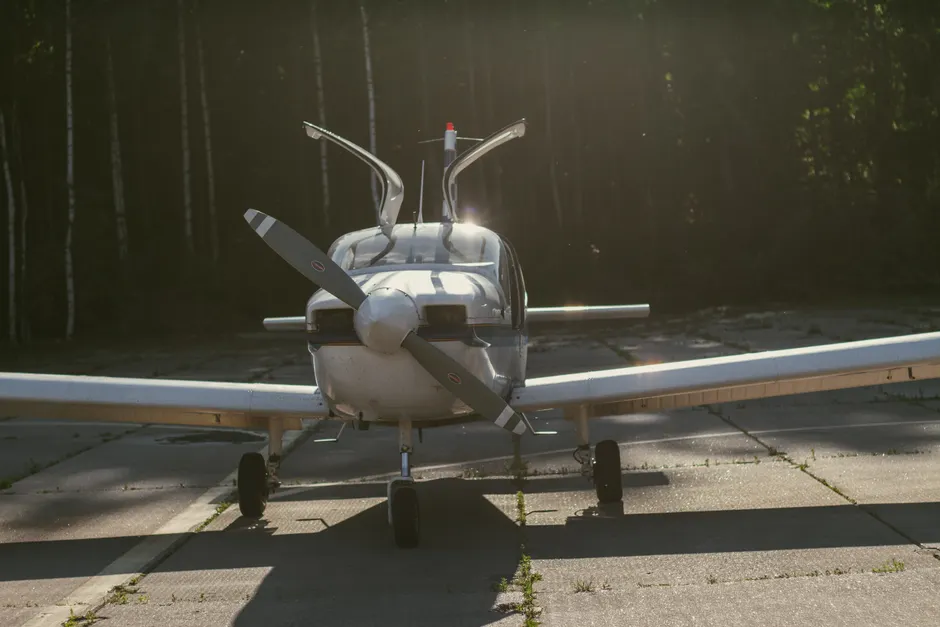
Ten people died Friday when a Flamingo Air Cessna 402 crashed in bushland in North Andros, the Bahamas, on the country's 53rd Independence Day. Nine passengers and the pilot were killed. BBC
The twin-engine aircraft was flying from Lynden Pindling International Airport near Nassau to San Andros Airport when it encountered difficulties and went down before reaching the runway. BBC Andros, the largest island in the Bahamian archipelago, sits roughly 30 miles west of New Providence. The route is a standard short hop — the kind that Flamingo Air and other domestic carriers fly regularly to reach smaller island communities. New York Times
The death toll shifted in the immediate aftermath. Prime Minister Philip Davis initially said one passenger had survived; hours later he confirmed that person had also died of their injuries, bringing the total to ten. BBC Davis addressed the crash at a media conference and declared it a day of national mourning—a designation that carried weight given the timing on Independence Day. Names and ages of those killed had not been released, and Flamingo Air said it was still gathering details while committing to cooperate with investigators. BBC
The Bahamas Ministry of Aviation moved quickly to ground the carrier, temporarily suspending Flamingo Air's air operator certificate. Officials were clear that the suspension is precautionary and "should not be treated as an adverse compliance action" against the airline—language that distinguishes between an immediate safety pause and any formal finding of fault, which would follow investigation. BBC The Bahamas Aircraft Accident Investigation Authority, responsible for examining civil aviation accidents, issued its own statement confirming it is investigating the crash, though no cause has yet been disclosed.
A second incident on the same day complicates the picture. Earlier Friday, another Flamingo Air flight turned back to Nassau after its pilot reported an in-flight problem. CBS News, as cited in BBC reporting, said a fire broke out on that aircraft after it had landed and passengers had disembarked. BBC The Ministry of Aviation confirmed two separate safety incidents involving the carrier on Friday. Officials have not yet said whether the two events share a common mechanical or operational cause, and the full timeline of the incidents has not been detailed in public statements.
The Cessna 402 is a twin-piston engine workhorse common in Caribbean and inter-island aviation, favored by small regional operators for short routes where runway capacity and passenger demand don't justify larger aircraft. This very prevalence is why any mechanical or crew failure draws scrutiny beyond a single aircraft: regulators and competing carriers want to know quickly whether this is an isolated problem with one plane or crew, or something affecting the entire fleet of this aircraft type still flying significant passenger loads across the region.
The suspension of Flamingo Air's entire operator certificate—rather than just the accident aircraft or that specific tail number—signals that Bahamian authorities are treating Friday's events as a question of operational integrity, not an isolated aircraft malfunction. That is a notably different stance from a narrow technical grounding focused on one plane model, and it will likely shape how quickly, and under what conditions, the carrier can resume flights.
The timing adds weight to the story domestically. Independence Day in the Bahamas is ordinarily marked by public celebration. A mass-casualty crash on that date, followed hours later by a separate in-flight emergency with the same operator, puts unusual pressure on both the airline and the ministry overseeing it. Davis's revision of the survivor count—from one to zero—reflects the uncertain nature of casualty reporting immediately after small-aircraft accidents, where injuries that seem survivable initially may prove fatal within hours.
Right now, the critical open questions are technical and regulatory: what caused the North Andros crash, whether it connects to the fire and flight diversion earlier that day, and what timeline the accident investigation authority will follow for a preliminary report. Those answers will determine whether Flamingo Air's suspension lasts days or becomes the start of a longer regulatory process.