OpenAI Merges the Chat and Work Tabs in ChatGPT
OpenAI is merging the Chat and Work tabs within ChatGPT, according to TechCrunch, which reported the change on November 2, 2026. The combined experience will first be offered to select users, who will be asked for feedback before any wider rollout.
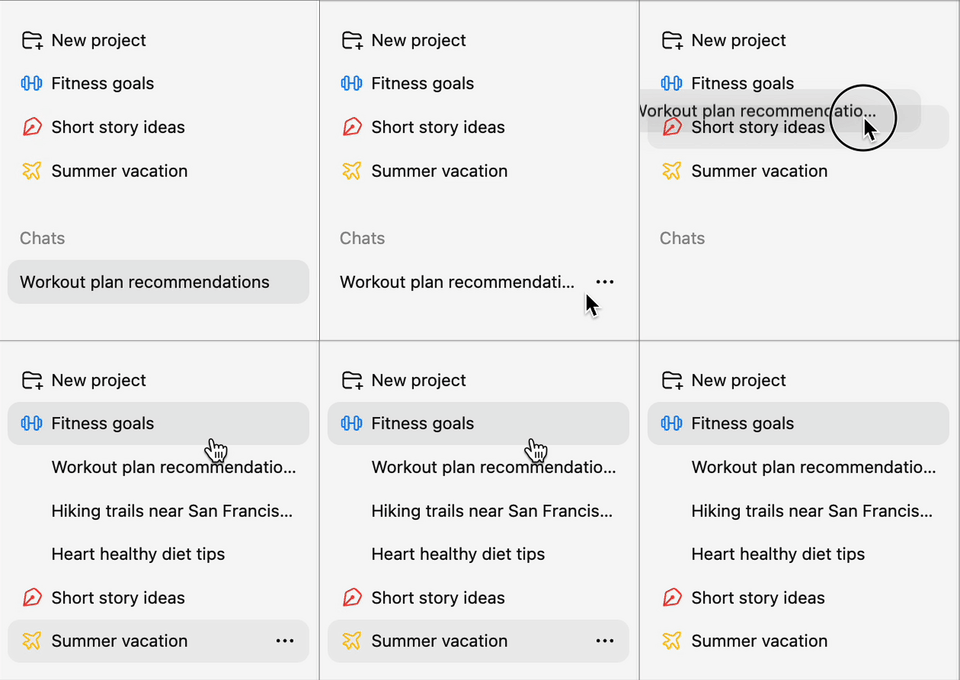
The merge is mainly a change to how conversations are organized. In the desktop app, Chat and Work chats appear together in Recents, where users can sort and filter them. Chats created in Chat sync between ChatGPT on the web and the desktop app, according to OpenAI's help documentation. Projects, which keep related chats, files and instructions together, remain the way to group work by topic, as described in OpenAI's Projects documentation.
Codex is the exception. It will remain a separate experience within the ChatGPT desktop app, so the coding agent does not fold into the chat surface. The two products will, however, share a usage budget. ChatGPT and Codex will draw tokens, the units of text a model reads and writes that usage is metered in, from the same allowance pool. OpenAI said the shared pool will not affect most users.
The change follows the July launch of ChatGPT Work, which OpenAI unveiled as a tool for creating documents, spreadsheets, presentations and web applications. Bloomberg reported at the time that the agent was designed to field tasks over extended periods. The Work tab is therefore where that agentic output, meaning work an AI agent carries out over time without constant prompting, lives. The merge places it in the same list as ordinary conversations.
OpenAI's news page carried a dense run of announcements in the days before the merge report. Between October 26 and October 30, 2026, the company published posts on an expanded partnership with Oracle to bring its apps into ChatGPT, an expanded partnership with ServiceNow across enterprise workflows, an updated Model Spec, a method for detecting frontier model misalignment, a community safety report with new protections for teens, a post on making it easier for websites to express AI training preferences, and a post titled "Fair use benefits everyone."
In my view, the practical question for teams is less about the interface than about budgeting. A shared allowance pool means that heavy Codex and heavy chat usage draw from one meter. OpenAI's statement that most users will not be affected suggests the effect is concentrated among high-volume accounts, and those users will likely notice first whether the pooled limits fit their workloads.
The broader context here is that the product is converging on a single workspace, where a conversation, its project files and the agent that produces a deliverable share one history and one navigation scheme. If the feedback phase confirms that the consolidated list is easier to manage than two separate tabs, the change will have made the tool simpler for people who already use it daily.