Asian Currencies Consolidate as Traders Await the U.S. Midterms

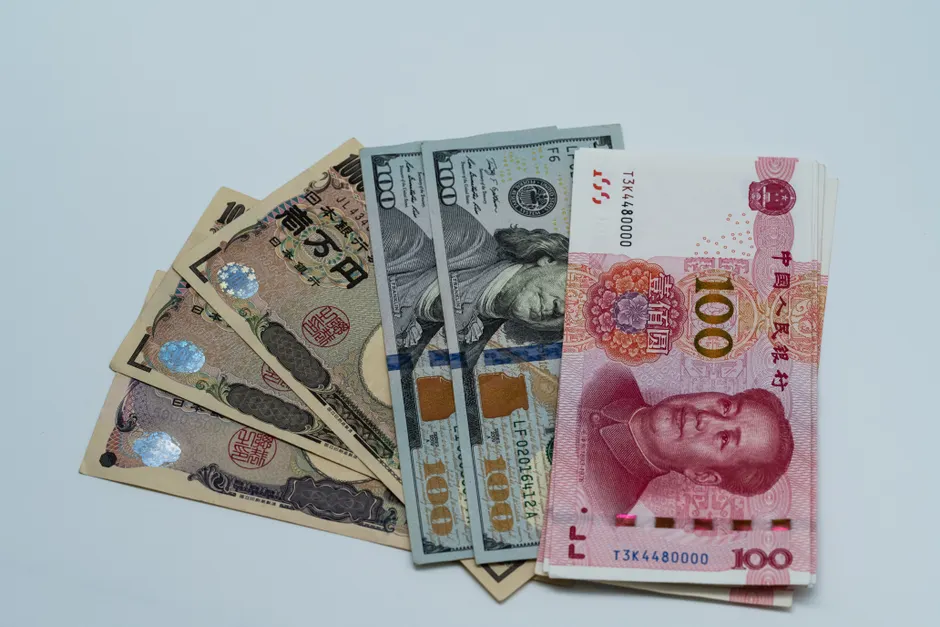
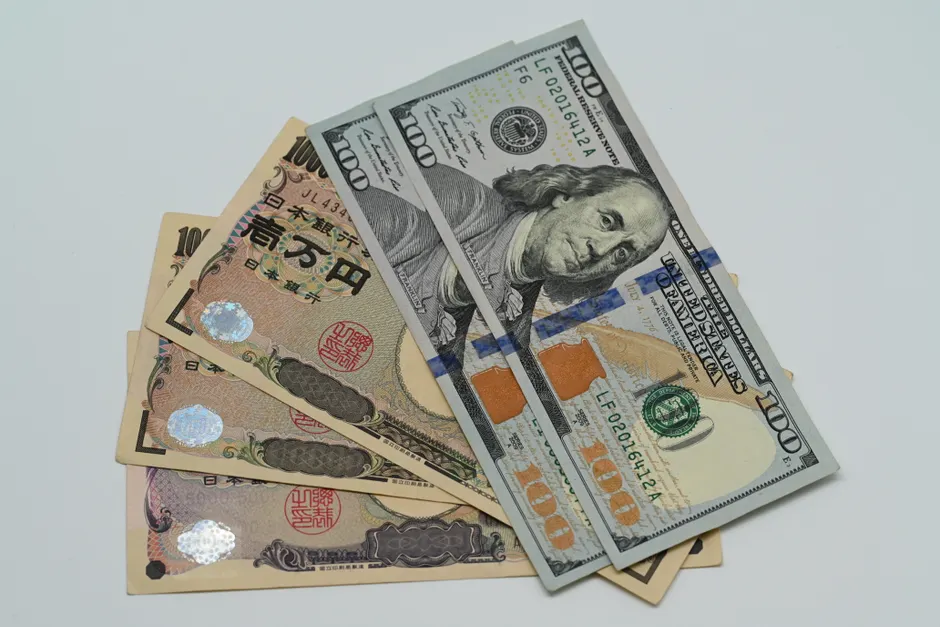
Asian currencies were consolidating against the dollar on November 3, 2026, according to the Wall Street Journal, which said cautious sentiment ahead of the U.S. midterm elections could weigh on the region's currencies. Consolidation means prices have stopped trending and are trading inside a narrower range after an earlier move. For a regional currency group, that usually signals that traders are waiting for a catalyst before committing capital.
The dollar index, a trade-weighted gauge of the greenback against a basket of major currencies, fell 0.22% to 101.76 ahead of the midterms, according to Reuters.
On November 2, the euro rose 0.46% to $1.1199 in foreign exchange markets. At that rate, one dollar bought roughly 0.89 euros. The dollar was up 0.16% at 157.90 in the same markets, per Reuters.
The broader picture is a dollar that was softer on one measure and firmer on another, which is what a consolidating market tends to look like. A 0.22% move in the index is small, and a 0.46% euro gain is a modest step. Mixed signals like these make it hard to justify a single directional view on the dollar, and the Journal's emphasis on caution fits that pattern.
The vote itself was the event traders were weighing. Going into November 3, Republicans held a 218-214 House edge and a 53-47 Senate majority, according to Reuters. Governor races were also on the ballot in 39 states.
Currency desks watch that split closely. A four-seat House margin leaves little room for defections, while a six-seat Senate majority offers a wider cushion. Those expectations about fiscal and trade policy feed into interest rate differentials, the gap between what bonds pay in one country versus another, and into capital flows, the movement of money across borders.
For households, moves of a few tenths of a percent in exchange rates are rarely decisive. They matter most for anyone converting money on a fixed schedule, such as someone paying tuition abroad or sending income home. In my view, the direction of these currencies will depend on how the vote resolves and how policy expectations reset afterward. That outcome is not yet known.