Trump's Strait Toll Plan: Why a U.S. Revenue Scheme on the World's Oil Lifeline Raises More Questions Than Answers
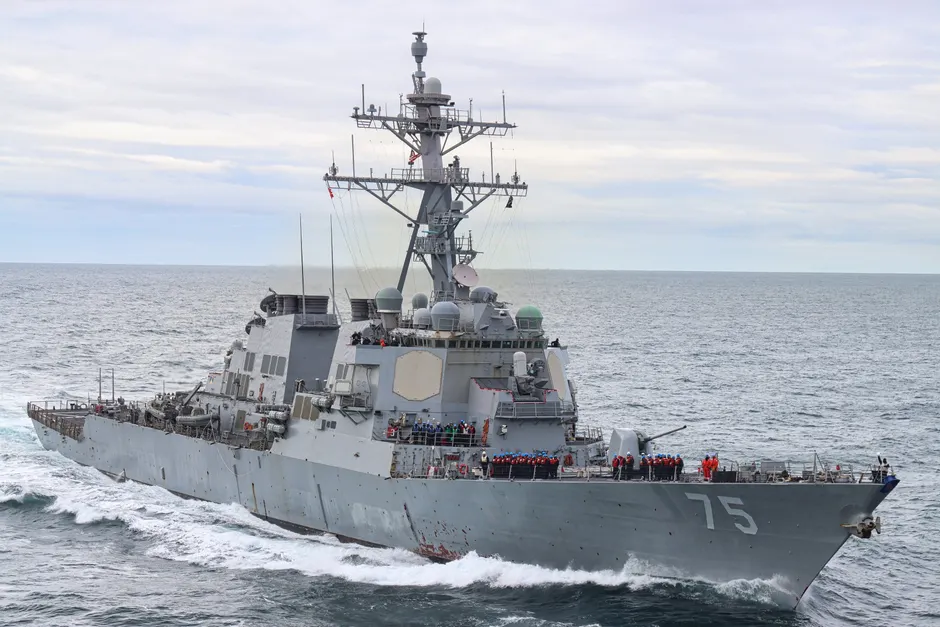
President Trump announced Monday that the United States will act as "the guardian of the Hormuz Strait" and collect a 20% toll on all cargo passing through it, declaring the shift on Truth Social with his trademark emphasis: "THE IRANIAN BLOCKADE," "THE GUARDIAN OF THE HORMUZ STRAIT," and "FAIRNESS" Al Jazeera. He added that "the process and formation will begin immediately," though he supplied no specifics on how such a levy would be collected, enforced, or administered.
Trump framed the current situation as Iran imposing a blockade "only stopping Iran's ships or customers from entering or leaving," distinguishing his proposed toll—which would apply to all traffic—from what he characterized as the narrower Iranian restriction. He made the same argument during a Fox News interview the same day, with correspondent Trey Yingst describing the arrangement as the U.S. playing "guardian angel" in the strait Fox News.
The announcement lands amid extraordinary volatility in the strait. On June 20, Trump said no tolls would be charged during a proposed 60-day ceasefire between the U.S. and Iran Fox News. By June 21, he was already signaling that tolls or further military action could follow "if diplomacy with Iran fails" Fox News. Meanwhile, Iran's Revolutionary Guards declared the strait closed on June 20 Reuters, while Trump separately told reporters that ships were "flowing out" of Hormuz after the ceasefire took effect Reuters—an early indicator that U.S. officials themselves were describing the ceasefire's practical impact differently.
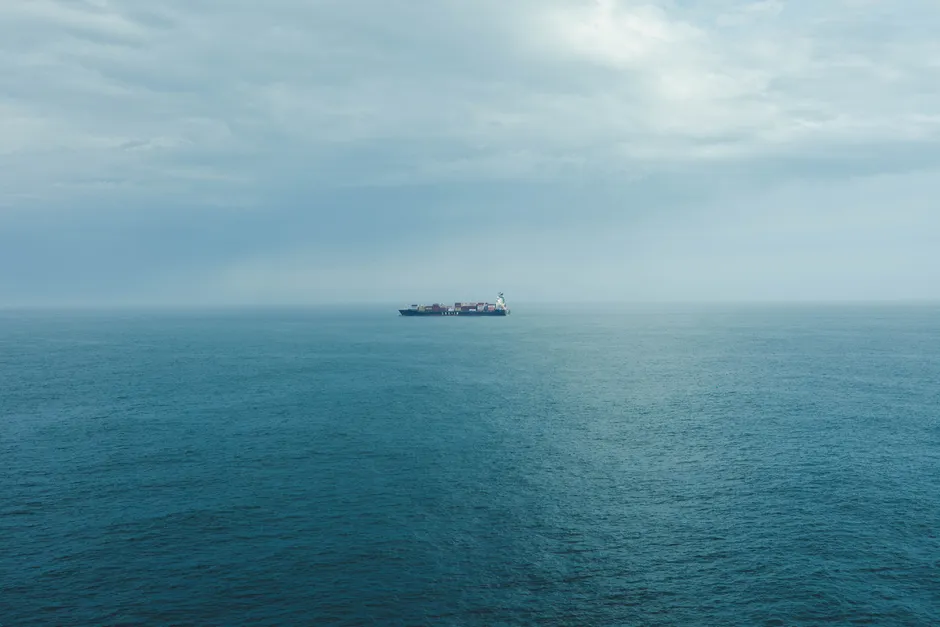
The context matters. Roughly 20 million barrels of oil transit the Hormuz Strait daily under normal conditions, making it the world's single most important maritime passage for global oil supply and pricing. The Strait is a chokepoint: it is the only sea route for oil exports from the Persian Gulf, and a significant share of global liquefied natural gas passes through it as well. Any U.S. claim to police authority there—especially a revenue-collection scheme—affects producers, shippers, insurers, and consuming nations worldwide, not just the parties in the immediate U.S.-Iran dispute.
Then practical conflict emerged. The Guardian's live coverage reported that shipping traffic collapsed after the U.S. and Iran exchanged military strikes in July The Guardian. Trump's toll announcement came directly on top of that collapse—not alongside a functioning, open shipping lane.
What stands out when you track the timeline is how much the administration's position has shifted. A no-toll pledge tied to a ceasefire lasted less than a day before becoming a conditional threat. Then came conflicting claims about whether the strait was open or closed. Now comes a unilateral declaration of U.S. guardianship paired with a fixed 20% toll rate. None of this reads as a finished policy; it reads as a series of positions adjusted in real time.
The unanswered questions are substantial. It is not clear whether the 20% toll would be assessed on the cargo's market value, the cost of shipping, or some other metric. It is also unclear whether U.S. naval forces currently deployed in the region have the legal authority or the practical capacity to enforce collection from non-compliant ships. Legally, the ground is contested: historically, tolls on international straits have required either agreement from the countries that border the strait (littoral states) or a formal international agreement—neither of which exists here. Trump's claim that the blockade affects only "Iran's ships or customers" also conflicts with reporting of a broader traffic collapse following the military strikes, suggesting the practical impact on shipping may be wider than the administration's framing admits.
Whether the promised "process and formation" becomes an actual toll-collection mechanism or functions mainly as signaling directed at Tehran and oil markets is what traders, insurers, and regional governments will be trying to parse. The shift from the June 20 no-toll pledge to this week's announcement already suggests that further reversals or recalibrations could come quickly.