Trump Reimposed the Iran Blockade. Here's Why the On-and-Off Pattern Matters.

President Trump announced on July 13, 2026, that the United States would reinstate a naval blockade on Iran and take direct control of the Strait of Hormuz, the critical waterway through which roughly one-fifth of the world's oil passes each day. The U.S. would charge a 20% fee on all cargo transiting the strait, Trump told reporters, framing it as compensation for American naval protection Reuters. The announcement followed fresh U.S. military strikes on Iranian targets and air-raid sirens in Bahrain Reuters.
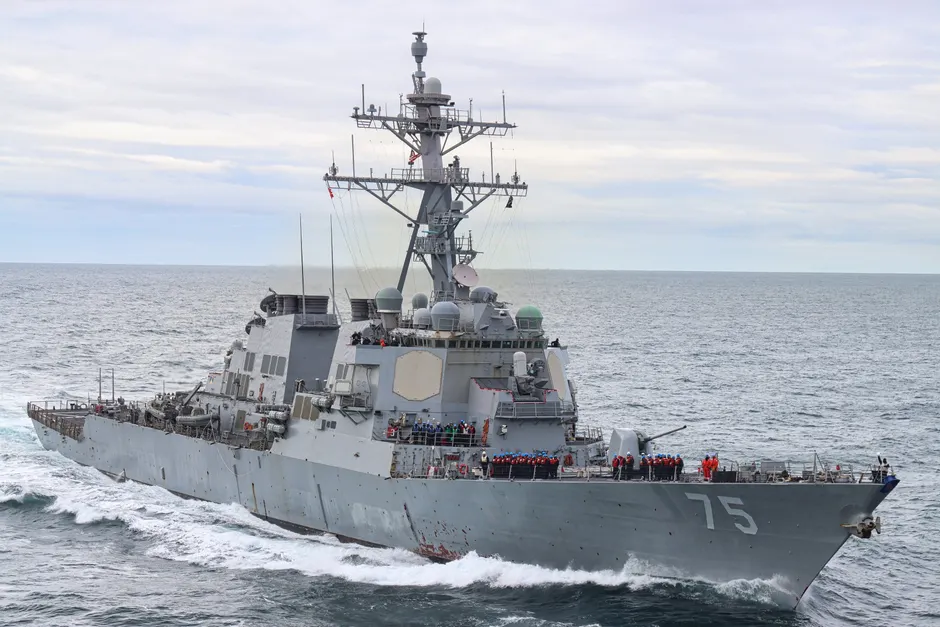
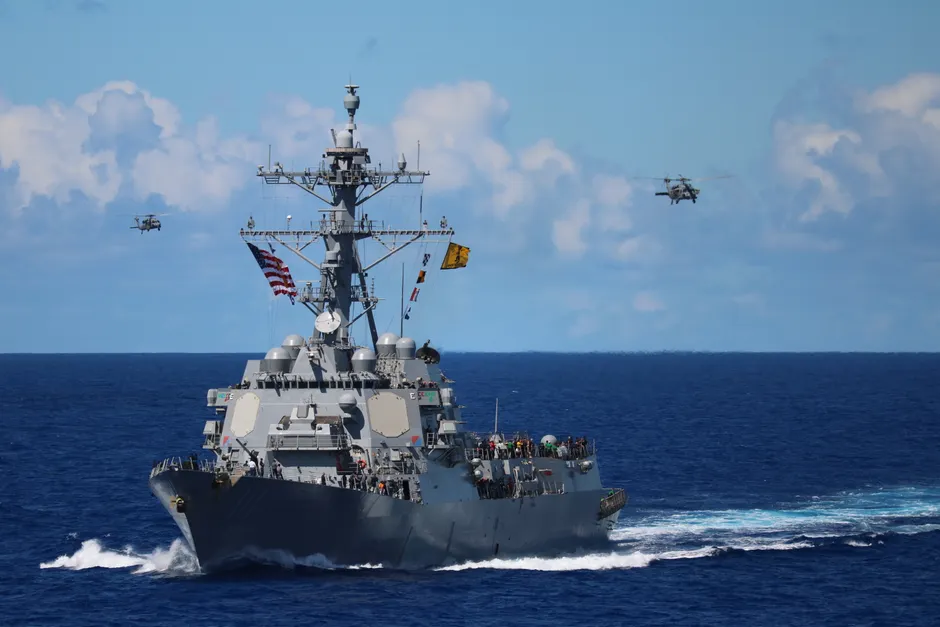
This blockade is not a new move. Trump first ordered one on April 13, 2026, after weekend negotiations collapsed, instructing U.S. military vessels to begin intercepting ships entering and leaving Iranian ports and the Strait of Hormuz Reuters. The White House framed the action as a response to Iranian aggression and a way to restore safe passage through the strait, positioning it within what it called American energy dominance delivering global stability White House.
By June 19, the same administration was announcing a breakthrough agreement with Iran, claiming it would prevent Tehran from acquiring nuclear weapons and reopen the strait to free navigation White House. That agreement either unraveled or never fully took hold on the ground. As recently as July 10, Trump said the U.S. had agreed to continue talks with Iran, even as shipping companies began slowing tanker traffic through Hormuz due to renewed military clashes Reuters. Within 48 hours, talks shifted to strikes, and strikes gave way to blockade again.
The pattern of blockade-agreement-talks-strikes-blockade over three months creates a puzzle. The April blockade was meant as leverage to force Iranian concessions. The June agreement was presented as proof the leverage worked. The July reinstatement raises the question of whether the June deal collapsed or was never operational in practice. None of the available reporting reconciles those positions, and the White House has not addressed the gap between its June claim of reopened passage and its own president's July statement reimposing a blockade over the same waterway.
The financial markets responded to the shift almost immediately. Oil prices jumped more than 3% on July 12 and climbed as much as 9% to a one-month high after the U.S. signaled it would reinstate the blockade Reuters. Because the Strait of Hormuz handles roughly a fifth of global oil consumption on any given day, even a partial disruption to transit—or the credible threat of one—moves commodity futures faster than diplomatic statements do.
The 20% cargo levy is the more unconventional element. Trump's framing—that the U.S. would control the strait and be paid for it—sounds less like a traditional blockade (which simply cuts off an adversary's shipping) and more like a toll system enforced by naval power. A blockade denies passage; a monetized transit scheme implies goods still flow, but under U.S. supervision, with Washington taking a percentage. Reuters reported no further operational detail on how the 20% would be assessed, collected, or from whom, or whether it would apply only to Iran-linked cargo or to all shipping in the strait.
For traders and shipping insurers, the operational question matters more than the diplomatic sequence. Which way the blockade works—and how a foreign tanker owner would actually pay a 20% fee to the U.S. Treasury—remains unclear in the public record. But what is clear is that commercial shipping operators had already begun hedging against disruption before Trump's July 13 announcement made it official, slowing tanker traffic as early as July 10.
What happens next likely depends on how Iran interprets the reinstated blockade. If Tehran sees it as a pressure tactic, as it appeared to in April, a return to negotiations cannot be ruled out—Iran was requesting continued talks even as clashes intensified on July 10. But each cycle of blockade-talks-strikes-blockade raises the cost of the next round. Market volatility compounds over time, and each failed or collapsed agreement makes the next one harder to credibly sell to either side's domestic audience or to trading partners watching from the sidelines.