Ocarina of Time Returns on Switch 2 With a Full Visual Rebuild and Unchanged Design

Engadget's review of The Legend of Zelda: Ocarina of Time, published on 4 November 2026, says the magic of the original is fully intact while the game looks and plays better than ever. Nintendo lists the title as exclusive to Nintendo Switch 2.
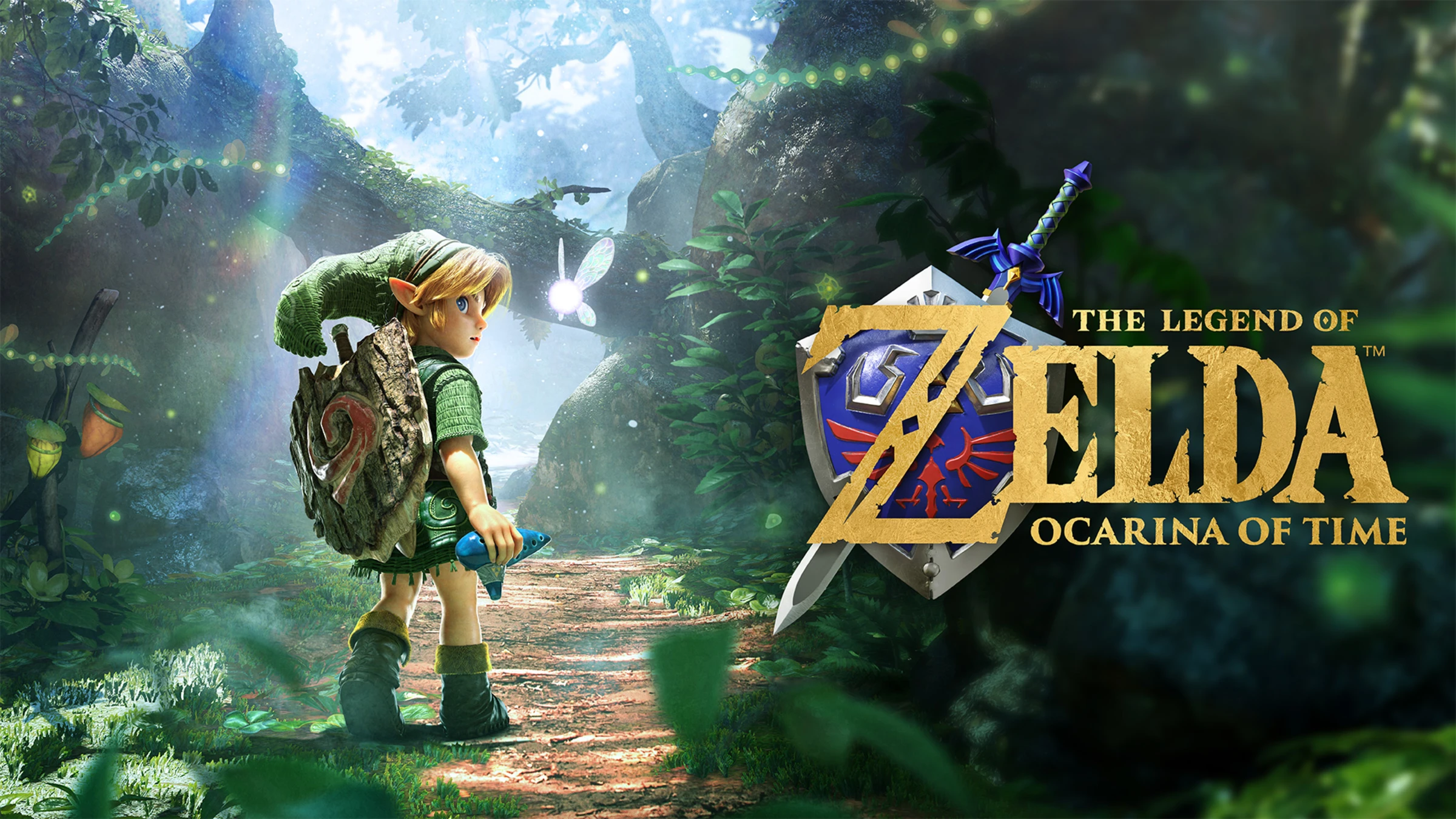
The most visible change is the graphics. According to Engadget, the overhaul replaces the original's blocky polygons, the low-resolution 3D shapes that built its characters and world, with high-resolution models. Nintendo describes the Switch 2 version as having reimagined visuals, a refreshed soundtrack and modernised gameplay, and calls it "a classic quest remade for a whole new era."
The story and gameplay are otherwise untouched. Engadget reports that Nintendo left both unchanged, a contrast with the Final Fantasy VII remakes, which reworked their source material in more substantial ways.
Ocarina of Time art director Aya Shida said the goal was to rebuild Hyrule while retaining the feel of the original. The team drew on puppet shows and practical film effects for some of the visual approach, according to the same Engadget report.
Earlier coverage focused on how the game handles control. Game Informer's preview, titled "A Beautiful Step Back in Time" and published on 14 October 2026, reports that the remake includes a new jump button. GameSpot, also writing on 14 October, reports modernized controls and quality-of-life features. IGN's hands-on preview, published on 16 October 2026 and based on two hours of play, followed. Nintendo's What's New page also carries "Ask the Developer Vol. 24: The Legend of Zelda: Ocarina of Time — Part 3."
The broader context here is a familiar fork in remake design. A developer can reconstruct a game around its original structure, or reinterpret that structure for present-day expectations. Think of rebuilding a house on its original floor plan versus knocking down walls. The facts reported so far place this release firmly in the first camp. The layout, script and combat logic remain those of the original, and the changes are concentrated in presentation, input and convenience.
In my view, that choice carries its own tradeoff. A remake that keeps the original's systems intact asks its audience to accept older design decisions alongside the new rendering, and the reviews suggest that for this game the trade is worth making. Players who already know the original can return to familiar ground without relearning it. Players who never played it get a version built on current hardware with the modern conveniences of the platform.
What the release makes possible is a direct comparison. Engadget's assessment, the previews and Nintendo's own description all point to the same conclusion about intent: preserve the design, and let the rebuilt presentation carry the difference.