Ocarina of Time Remake Comes to Switch 2 With Modern Controls
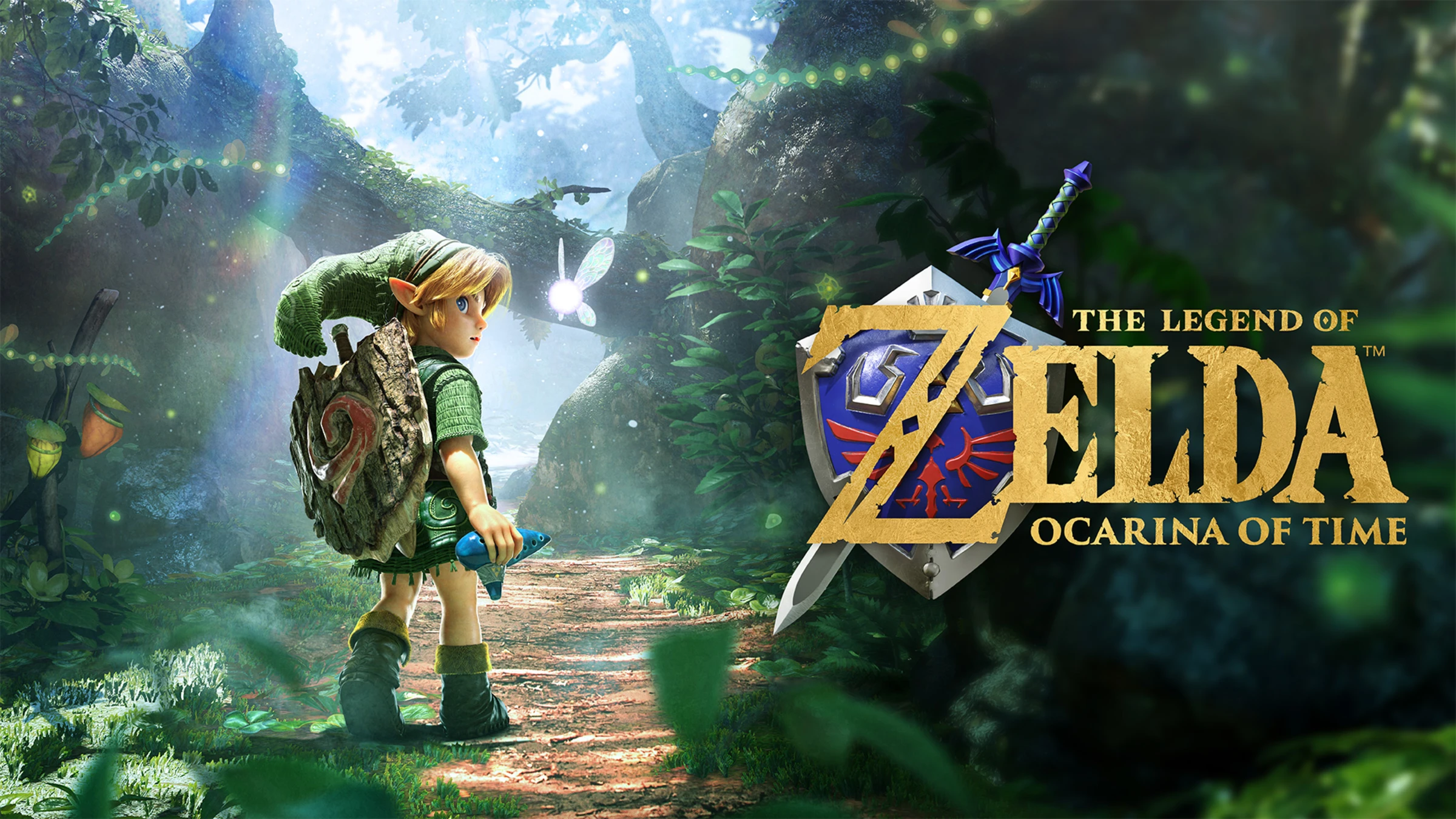
Nintendo will launch a remake of The Legend of Zelda: Ocarina of Time for Switch 2 on Thursday, November 5. The release is exclusive to Switch 2, with Nintendo's store listing giving the year as 2026. The Verge
The scope is a rebuild of the 1998 Nintendo 64 original. Nintendo announced the project in a Nintendo Direct presentation as part of its Legend of Zelda 40th Anniversary celebration. Nintendo That presentation included roughly 20 minutes of footage from the remake. IGN
The trailer opens with a voiceover.
Three changes update the 1998 controls for current expectations. Players can control the camera with the right stick, the standard method in modern 3D games. A dedicated jump button has been added. Players can swap items and weapons by holding a shoulder button without entering the pause menu.
In the original, equipment changes required a full pause. In the remake, holding a shoulder button cycles through gear while staying in the scene. This applies during combat and dungeon traversal, and matches the input layout Switch players already use in other games.
Two systems sit outside direct control. Threads of Time is a new progression marker, viewable when paused. Zelda Notes integration in the Nintendo Switch app shows game maps and other information on a phone.
With Zelda Notes, maps and supplemental information live on a second screen and can be checked without suspending play. Threads of Time works in the opposite direction. When paused, it gives a summary of where the player stands in a long, branching adventure.
Nintendo describes the remake as having reimagined visuals, a refreshed soundtrack and modernised gameplay. Visuals means new assets and lighting built for Switch 2 output. Audio means re-recording or remixing rather than simple upscaling. Gameplay refers to the control and interface revisions described above.
A separate hardware tie-in is also documented. The Switch 2 version supports a sound-recognition feature designed for use with the Electric Ocarina of Time. Nintendo's product page identifies that peripheral as the intended input for the feature.
In my view, the focus on the interaction layer addresses where old design creates the most friction. The time structure, world layout and dungeon logic remain intact in disclosed materials. Free camera on the right stick and shoulder-based item swaps do not change what Ocarina of Time asks the player to do. They change how quickly the player can express intent.
The broader context here is platform transition. A Switch 2 exclusive tied to an anniversary gives Nintendo a known game to show new hardware to returning players and newcomers. For developers, the Zelda Notes approach is worth noting. Companion apps have often been treated as marketing extras. Using the phone as a persistent map, synchronized with console state, clears the television image for the world itself.


