Ten States, 45 Measures: Local Voters Push Back on Data Centers
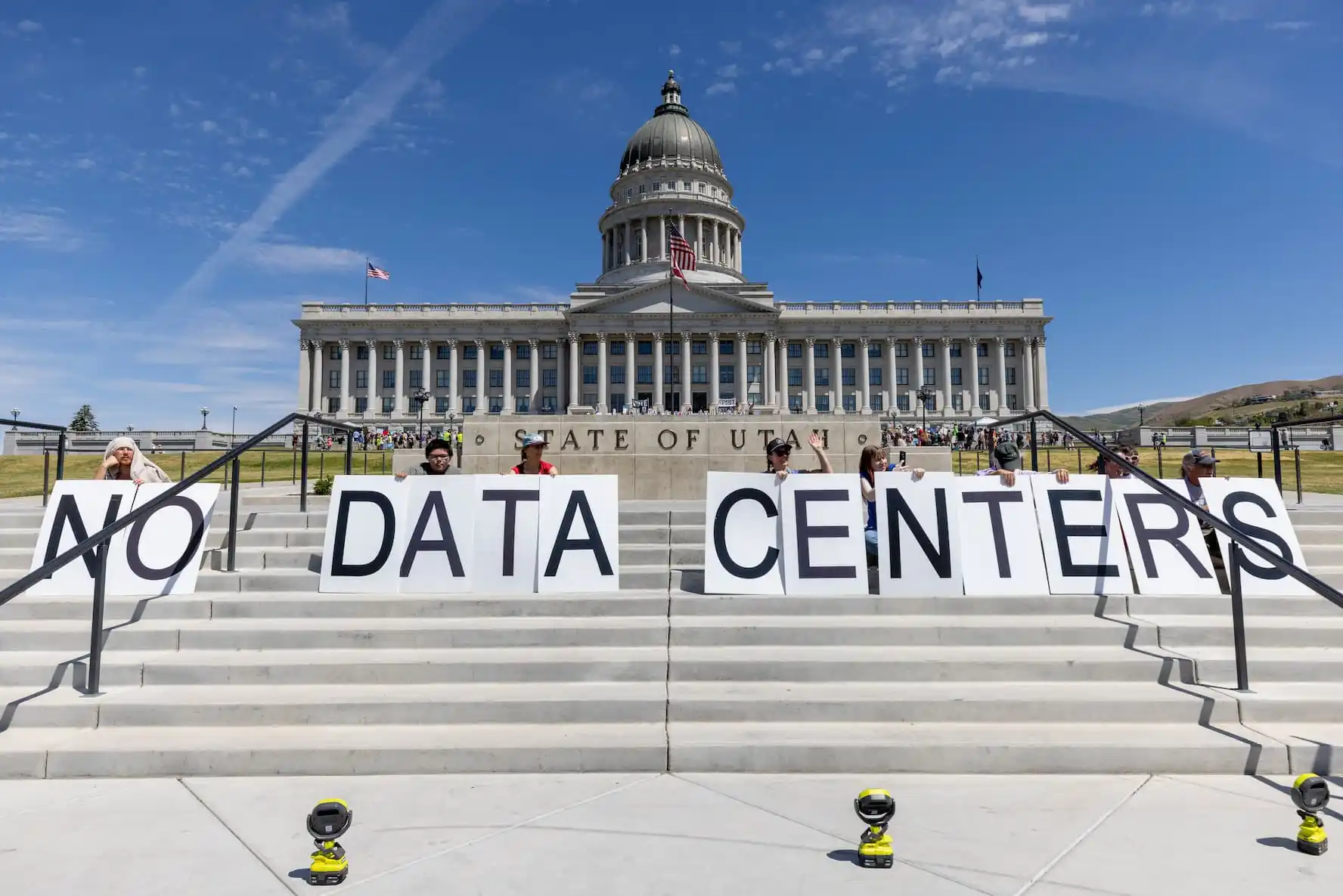
Voters in 10 states approved, or were on track to approve, local ballot measures restricting data centers in Tuesday's midterm elections. As of early Wednesday, 33 restrictive measures had passed and six more were projected to pass, according to Engadget. The same report counted 45 data-center ballot measures in total. Five localities had not yet posted results.
The passed measures took several forms: outright bans, temporary moratoriums (formal pauses on new approvals), caps on energy use, and requirements that projects receive public approval before moving forward. The City of Harwood, North Dakota, was the only municipality reported to have rejected a restriction. Its voters turned down an amendment that would have required public hearings before approving large industrial projects, including 100-megawatt data centers.
Ohio was the center of the vote. Ballotpedia identified 21 data-center ballot issues on Election Day in Ohio, more than in any other state, and Engadget put the number of Ohio measures at 20. Voters in Urbana approved an outright ban with 76 percent in favor. Hubbard approved a ban with 77 percent. In Sunbury, residents passed a charter update (a town's foundational governing document) banning data centers, with 100 percent of the unofficial vote counted. Cleveland.com reported that Ohio voters approved all 11 charter amendments restricting hyperscale data centers, the very large facilities built for major cloud providers, and that more than $400,000 in opposition spending did not change the outcome. Fortune reported at least 14 Ohio municipalities passed bans or other measures against data centers. The state is home to 257 data centers, according to Engadget.
The measures reached statewide politics as well. Democrat Sherrod Brown made opposition to data centers central to his platform in the Ohio US Senate race, and he was declared the winner. An NBC exit poll reported that 56 percent of voters said AI and data centers were a crucial or major factor in their vote for Congress. Engadget also described James Talarico in Texas and Annie Andrews in South Carolina as anti-data-center Democrats who won big in the midterms, a characterization the Wall Street Journal also reported. Separately, Reuters reported that Trump-backed candidates lost in South Carolina, North Carolina, Michigan, Ohio, and Texas. Reuters had earlier reported that 58.7 million votes were cast in person and by mail before Election Day.
Ballotpedia's 41 figure covers data-center ballot issues up for consideration nationally on Election Day, while Engadget's 45 is the broader total across 10 states. Several localities had not reported as of early Wednesday, so the totals could shift as results are certified.
The broader context here is the land-use and utility question beneath the ballot language. Moratoriums, energy caps, and public-approval requirements all operate at the municipal level, where zoning and charter changes can halt or slow a project regardless of what a state government or hyperscaler has planned. For operators scouting sites, local permitting risk now sits alongside power availability and interconnection queues as a primary siting constraint. Ohio's concentration of measures, with 21 issues on the ballot and 11 charter amendments approved, suggests the pattern is not confined to a single town or a single election cycle.
In my view, the result is best read as a signal about process rather than a verdict on the technology. Voters approved restrictions that require public hearings and approvals, a mechanism that gives residents a formal say over large industrial projects. Whether those mechanisms produce better-sited projects, or simply fewer projects, is a question the results do not answer. The coming months of local implementation, and the first permitting fights under the new charters, will show more than the vote tallies do.