A24 Agrees to NASA's Request to Screen 'You Can See Everything' on the ISS
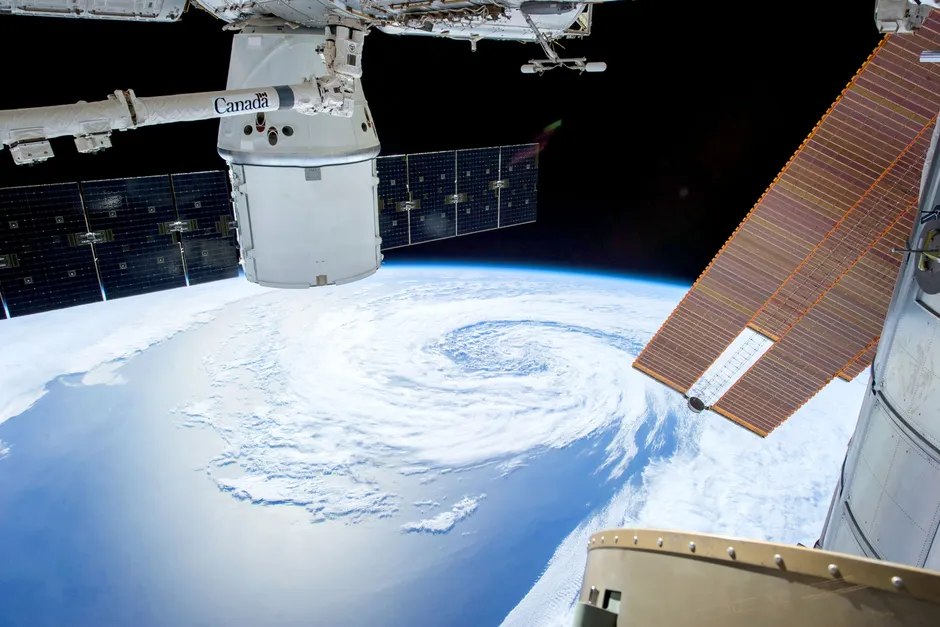
A24 has announced on Instagram that it granted NASA's request to screen "You Can See Everything" on the International Space Station, according to TechCrunch. The announcement confirms the grant. It does not, in the material reported so far, specify a date, crew, or format for the screening.
The film is a documentary about Elizabeth Holmes, a convicted fraudster, directed by Nathan Fielder and Lance Oppenheim. Holmes is the central figure in the film. It is the second project in which Fielder has taken a documentary-adjacent approach to a real-world institution.
The picture opened in North America in a limited theatrical rollout and reached number one at the box office. TechCrunch reported that its opening weekend was the second-biggest ever for a documentary. The film had been scheduled for theatrical release on October 16, a date set out in TechCrunch's September trailer coverage.
Holmes's husband, Billy Evans, is also part of the film's public profile. The documentary shows Holmes admitting filmmakers into her California home in 2023, according to BBC reporting.
Distribution outside North America is handled territory by territory. Sony Pictures has acquired the rights to release the film theatrically in Germany, Latin America, South Korea and other territories. The U.K. release is scheduled for November 20, and the French release for December 30. A24 maintains an official films page for the title with ticket and showtime information.
The broader context here is a release calendar that splits a single title across staggered windows. A24 handles home distribution, Sony covers several international markets, and a separate broadcast arrangement with the International Space Station covers the orbital screening. A feature film reaching a crew in orbit is an unusual endpoint for a distribution strategy. The announcement sits at the edge of conventional exhibition planning, even though it carries no commercial terms.
In my view, the ISS announcement is best read as a statement of intent rather than a completed event. A24 has announced that it granted the request. Whether and when the screening takes place is a separate question, and the answer will depend on operational scheduling aboard the station, which the announcement does not detail.
What the story does establish is a documentary that has drawn an audience large enough to attract a government space agency's interest, a film whose subject remains a matter of public record, and a distribution model that now reaches into orbit. For readers tracking how non-fiction cinema finds audiences, the combination of a limited domestic rollout, a multi-territory international split, and a request from NASA is a compact example of how far a single title's reach can extend.


