China Tightens Dollar Supply to Cool the Yuan's Rally
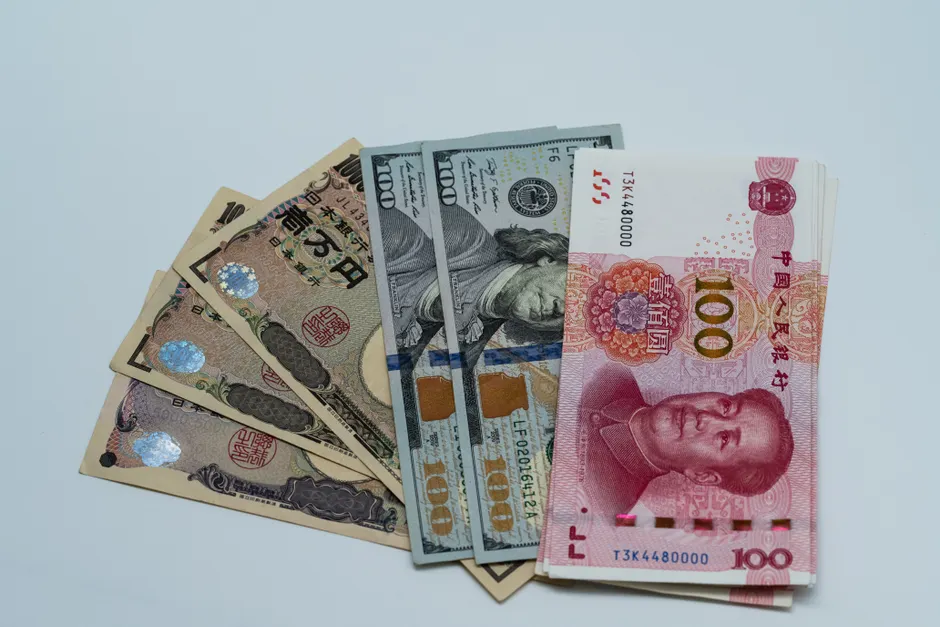
China's central bank has moved to slow the yuan's rally by requiring banks to hold more foreign exchange, which reduces the number of dollars banks can sell into the market. Bloomberg reported the move on November 3, 2026.
The onshore yuan, the version traded inside mainland China, snapped its winning streak after the People's Bank of China acted, according to the same report. The offshore yuan, traded in markets such as Hong Kong, weakened. The central bank's intervention eased pressure for the currency to keep appreciating.
The mechanism matters more than the headline. Banks must set aside a share of their foreign currency holdings, a bit like a reserve requirement. Raise that share and the pool of dollars available for sale shrinks. That tends to limit upward pressure on the yuan without requiring a change to the official daily fixing, the reference rate the PBOC sets each morning.
For ordinary households, the stakes are concrete. A stronger yuan makes imports cheaper and overseas travel more affordable. It squeezes exporters, who convert dollar payments into a currency that buys more each month. Companies with dollar debts see repayments shrink in yuan terms when the currency rises, so a pause in gains cuts both ways. Beijing has judged that the pace of gains needed a brake.
Broader Asia was quieter. The Wall Street Journal reported that Asian currencies were consolidating, with mild risk appetite potentially offering support. Moves have been modest relative to the dollar's swings. In early October, Bloomberg reported that its Dollar Spot Index was little changed, the euro fell 0.3% to $1.1219, and the Japanese yen was little changed at 157.98 per dollar.
The yen is a different story. In June, Reuters reported the dollar climbing as high as 161.8 yen, close to the 161.96 level reached in July 2024. Yen weakness has been a persistent test for Japanese authorities, and the 160 zone has become a level traders watch closely. The October figure sat below that peak.
The central question for trading desks is whether tighter dollar supply is a one-off recalibration or the start of a sustained campaign. A temporary smoothing would let onshore volatility settle, with offshore prices likely following onshore. A signal of greater tolerance for a weaker currency would force exporters and importers to reprice their hedging costs. Positions should be judged against the official fixing, the forward curve and flow data as they emerge.
For savers and borrowers, the practical lesson is simpler. Currency moves in Asia rarely stay isolated. A decision to cool the yuan can ripple into regional trade balances, dollar funding costs and appetite for risk assets. Those effects often show up in prices before they appear in headline inflation or official statistics.


