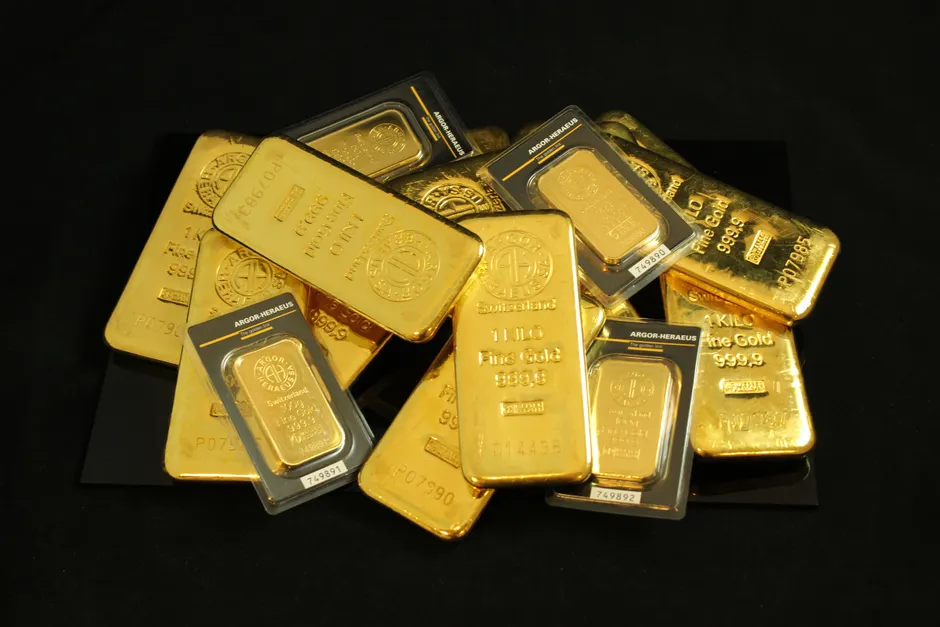
Gold Drops Below $4,000 as Oil Spikes and Long Bond Yields Climb
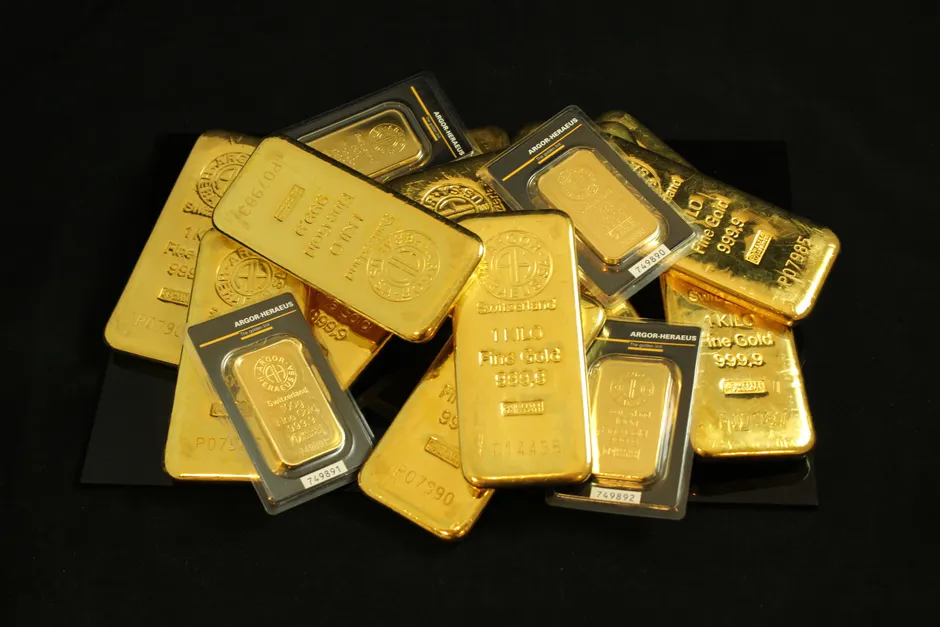
Spot gold fell 3% to $3,998.52 an ounce on July 13, 2026, dipping back below the $4,000 threshold as Brent crude jumped to $83.30 a barrel, up $7.29 or 9.6% on the day Reuters. The 30-year U.S. Treasury yield rose 3.31 basis points the same day, continuing a months-long climb Reuters.
The pattern matters to traders watching across asset classes. Gold usually falls when investors flee toward safety, but that is not what we saw here. Instead, we had a safety-sensitive metal down sharply, a geopolitically risky commodity up sharply, and long-end yields moving higher — not lower. The signal looks more like an energy shock pushing inflation expectations up at the long end of the yield curve, with gold squeezed between two competing pressures: its appeal as an inflation hedge against its sensitivity to rising real yields (the interest rate stripped of inflation).
Context is crucial. U.S. gold futures for June delivery had settled at $4,511.20 on May 19 Reuters, so spot has fallen roughly 11% in under two months. Step back further and the swings intensify. AP News reported gold topping $4,300 during a week in October 2025, with a 6.7% weekly gain as part of a run that left gold up nearly 60% since the start of 2025 AP News. Against that October high, the $3,998.52 level is roughly 6% lower — a sharp single-day pullback does not erase a multi-month uptrend.
The yield picture helps explain gold's struggle to hold highs even as the longer-run inflation case that fueled the 2025 rally has not gone away. The Federal Reserve cut its policy rate by a quarter point in late October 2025, bringing it to roughly 3.9% from 4.1% AP News. A softer CPI print in February 2026 then sparked market bets on more cuts Bloomberg. Yet the long end has not followed. Bloomberg reported on May 18 that U.S. long bond yields climbed four basis points to 5.16% during Asian hours, the highest level since 2023, on inflation concern Bloomberg. So the Fed is cutting rates at the short end while 30-year yields grind toward multi-year highs at the long end. That divergence is partly a term-premium story — the extra cushion investors demand for locking up money for 30 years rather than short-term — driven by persistent fiscal and inflation worries rather than near-term policy rates alone.
Japan's long-maturity government bonds had already begun falling in January on fiscal and inflation concerns Bloomberg. The Japanese bond market often sets the tone for global duration markets (the sensitivity of bond prices to rate changes) because it is the world's largest pool of long-term government debt. The January weakness in JGBs and May's climb in U.S. 30-year yields are hard to separate as pure coincidence, though naming a direct cause requires caution.
What directly tied the oil move to the bond and gold swings on July 13 is less certain from available reporting. A 9.6% one-day jump in Brent is large enough to reflect either a supply disruption or a shift in demand expectations. Either could push inflation breakevens and nominal yields higher while pressuring gold if the market read it as supporting the dollar or reducing the odds of imminent Fed easing. Reuters did not identify a specific trigger in the cited report, so any chain from the oil spike to the yield and gold moves should be read as plausible rather than confirmed.
For portfolio managers running real-asset or inflation-hedge portfolios, the immediate signal is that gold's inverse correlation with real yields is reasserting itself even as the metal's longer-term uptrend remains intact on a year-over-year basis. The bond market's message is more complicated: a Fed cutting cycle existing alongside a 30-year yield near cycle highs suggests term premium is repricing upward due to fiscal supply and inflation persistence rather than the policy rate path alone. That combination — short rates easing, long rates hardening — is the shape curve-steepening trades typically bet on, though the July 13 data alone does not confirm whether that trade has been deployed at scale.