Stocks at Record Highs, Oil Slides, Gold Surges: What the Markets Are Telling You

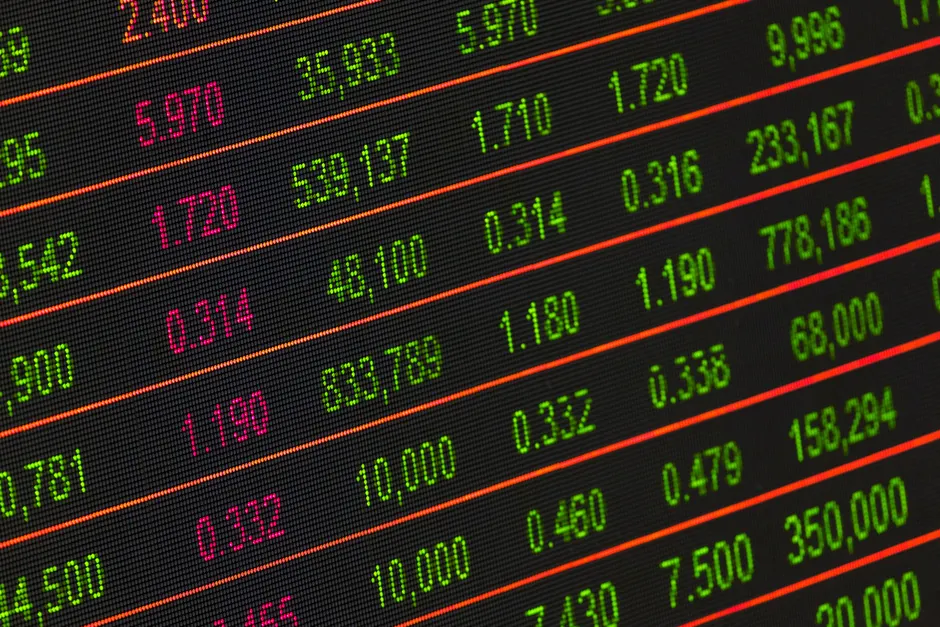
Major stock indexes closed at record highs on Tuesday, August 4, 2026, lifted by strong corporate forecasts from Caterpillar and other companies. Oil prices kept falling, while gold futures jumped 1.5% to settle at $4,152.60 (Reuters).
Brent crude — the global benchmark for oil prices — was down more than 5% on the session as of August 4, with the drop speeding up into the close. The U.S. ADP employment report was due the next day, giving traders another data point on the job market as they reassessed expectations for economic growth and inflation (Reuters).
By Wednesday, August 5, the oil market found a shallow floor. Brent crude futures rose 9 cents, or 0.11%, to settle at $79.45 (Reuters). U.S. oil prices also eased as signs of progress in Iran talks filtered through the market, reducing the supply-risk premium — the extra amount traders had been paying for crude because of feared disruptions. For context, the July 20 close had U.S. crude futures up 0.9% at $83.23 a barrel and Brent down 0.7% (CNBC) — a useful reference point for how far and how fast oil has fallen over roughly two weeks.
Treasury yields fell on August 5 as oil prices eased. This is a classic pattern: lower energy costs feed into softer inflation expectations, which in turn pull government bond yields down. A basis point is one one-hundredth of a percentage point, and yields move in basis points day to day. The ADP report, due the same day, would give the market a first read on labor-market momentum ahead of the Bureau of Labor Statistics payrolls release later in the week (Reuters).
The broader picture here is worth pausing on. Record equity highs, a 5%-plus Brent selloff, gold at $4,152, and falling Treasury yields all hitting simultaneously is not a standard risk-on or risk-off market. Equities are rising on the growth optimism embedded in corporate forecasts like Caterpillar's. Gold is climbing on the same disinflationary impulse pushing real yields lower (real yields are bond returns after accounting for inflation), plus whatever geopolitical hedge demand persists. Oil is falling on supply diplomacy — the Iran talks. And the Treasury market is pricing lower inflation risk. Each piece is internally consistent, but the combination tells a specific story: markets are pricing an outcome where growth holds, inflation cools, and geopolitical supply risks in the Middle East diminish.
For portfolio managers, the tension centers on the labor data. If ADP comes in hot — meaning stronger job growth than expected — the disinflation narrative that supports both bonds and gold takes a hit, and the equity rally's valuation cushion thins. If it comes in soft, the current setup extends. The Brent move from the mid-$80s to the $79 handle over two weeks has already done significant work in terms of freeing up real disposable income and compressing breakeven inflation expectations (the market's implied inflation forecast derived from bond prices). A further leg lower in oil into the Iran-deal headlines would reinforce the bond rally.
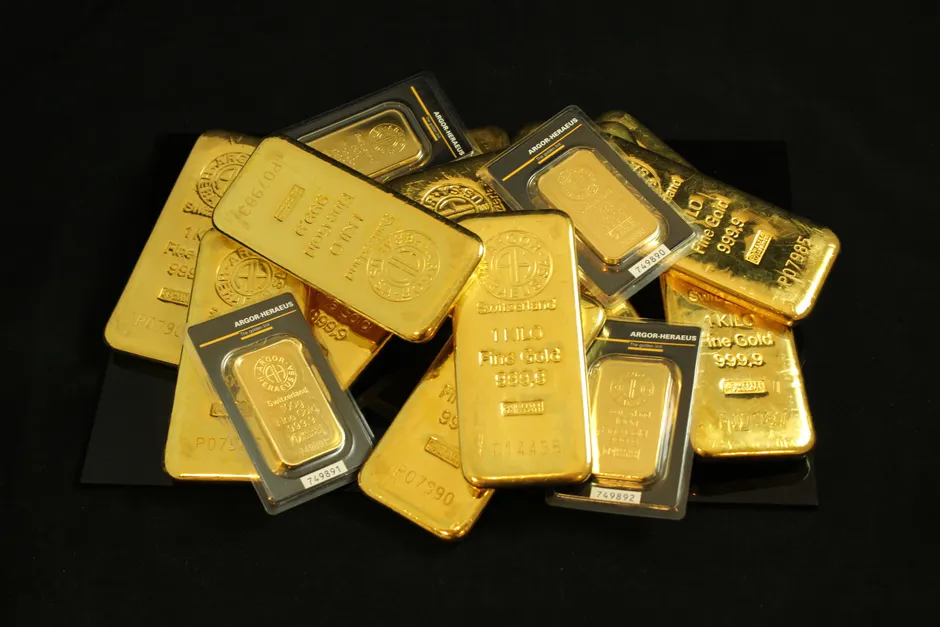
Gold's settle at $4,152.60 is the kind of level that demands attention from allocators. At a 1.5% daily gain on top of what has already been a strong run, the metal is absorbing both the real-yield signal and residual safe-haven demand. If Treasury yields continue to fall alongside oil, gold's opportunity cost — what you give up by holding a non-yielding asset instead of bonds — drops, and the buying likely persists. The risk to that trade is a payroll surprise that snaps yields higher.
The equity rally's dependence on corporate guidance rather than macro upside is notable. Caterpillar's forecast carries weight as an industrial bellwether — a company whose results reflect broader economic activity. Upbeat guidance there implies capital spending and construction demand remain intact. But guidance is a forward-looking management judgment, not a realized result, and the market is pricing it as near-certain.
For ordinary savers and borrowers, falling Treasury yields feed through to mortgage rates, auto-loan APRs, and savings rates with a lag. If the oil-driven disinflation impulse holds through the payroll data, the refinancing window that opened in recent weeks widens further. For investors in balanced portfolios, the simultaneous rally in equities and bonds compresses the cross-asset correlation that diversification relies on — a feature worth monitoring even if the short-term outcome looks favorable.