Democrats Take Congress, and Data Center Approvals Become a Ballot Question
Democrats took control of the U.S. House and Senate on Tuesday night, November 3, in what The Verge described as a blue wave through traditionally red and swing states. Republicans had held a 53-47 majority in the Senate going into the 2026 midterms, and 51 seats are needed to win control of the chamber. In the House, Democrats flipped more than two dozen Republican-held seats, including seats in Kentucky and New Jersey, according to Reuters.
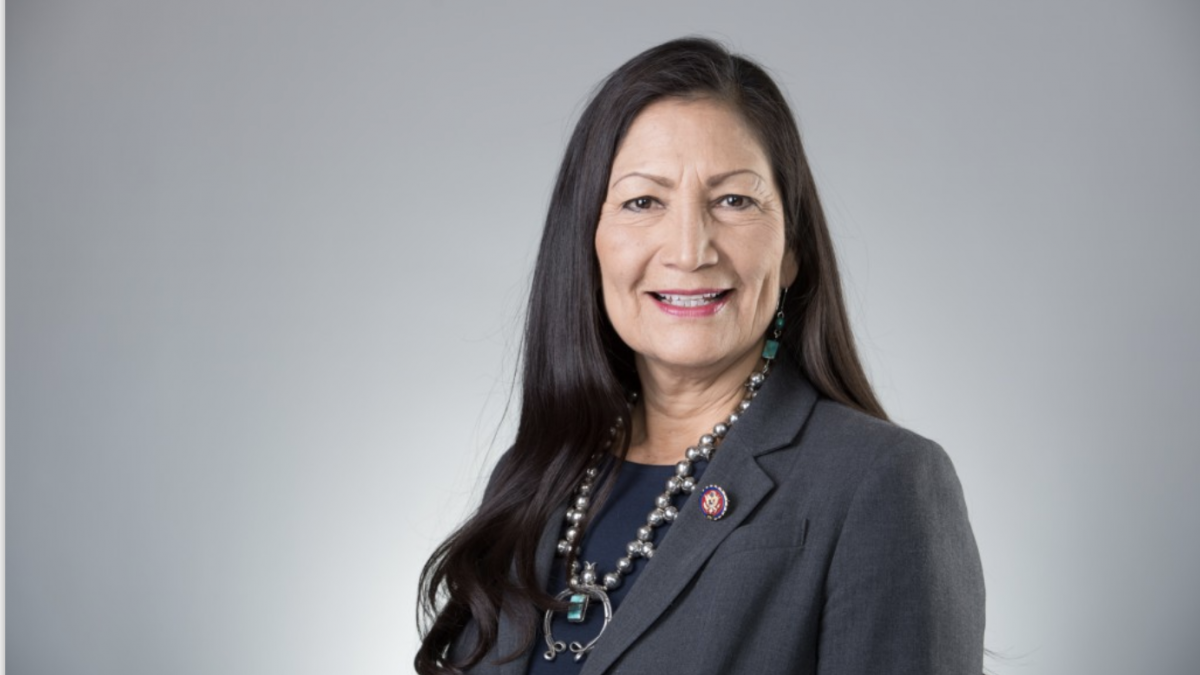
The results also produced a set of firsts at the governor's level. Keisha Lance Bottoms, a Democrat, was elected governor of Georgia and is the first Black woman elected governor in the United States, according to the Associated Press. Deb Haaland, a Democrat and former U.S. Interior Secretary, was elected governor of New Mexico, becoming the first Native American woman to serve as governor in the country, as PBS NewsHour reported. In Maine, a senator who had held his seat for 30 years ceded it to a Democrat on Tuesday night.
Democrats also won full control of more state governments, per AP. Leticia Gutierrez, a Democrat, was elected to the U.S. House in Texas's 9th District. A democratic socialist candidate came within 3 percentage points of winning a U.S. Senate seat, Reuters reported.
The technology-policy thread runs through several of these outcomes. The Verge reported that AI companies face a new threat from a wave of Democrats who campaigned against them, and its headline framed the result as "'Total repudiation': The blue wave is about to hit AI." On local ballots, 43 of 44 data center moratoria passed on Tuesday. A moratorium is a temporary ban on new approvals, and data centers are the large facilities that house the servers behind cloud services and AI models. The Verge also reported that Elon Musk spent close to $450 million backing Republican campaigns for the election.
At the state level, Texas governor-elect Gina Hinojosa said she plans to issue a moratorium on all data center approvals until the legislature can pass laws to protect Texans. The moratorium is a stated intention, not an order in effect. It would be a ban on approvals, and its durability depends on the legislature acting first.
The broader context here is a shift in where data center siting decisions get made. For most of the buildout, the questions of land use, water, and grid interconnection (the process of connecting a facility to the power network) were settled in county commission meetings and utility rate hearings, often with little public attention. The 43 local moratoria passing on a single night, and a governor-elect in the country's largest data center market naming the issue as a plank, suggest those questions have moved onto the ballot. Operators who plan capacity around power availability and permitting timelines now have to model electoral risk alongside them.
In my view, the more useful question for engineers and capacity planners is not whether the moratoria will hold, but what the reconciliation between local permitting and statewide policy will look like. Hyperscale capacity, meaning the very large facilities run by major cloud operators, and inference capacity, the compute used to run trained models, have always been constrained by power, cooling, and siting before they were constrained by silicon. Political friction is now one more input into that stack. Past infrastructure fights, from transmission lines to cell towers, ended with rules that were stricter in some places and more predictable in others. The outcome here will likely be similar in that respect, though the timeline is uncertain.
What the election changes is the venue, not the underlying engineering problem. Power procurement, liquid cooling, and grid-scale storage remain the constraints that determine where a training cluster can be built. The new element is that the approval process itself has become a campaign issue, and it will be debated in statehouses in the coming session. Whether that leads to better-designed siting rules or to a patchwork of bans is the open question.