Meta Warns Midterm Backlash Could Slow Data Center Buildout

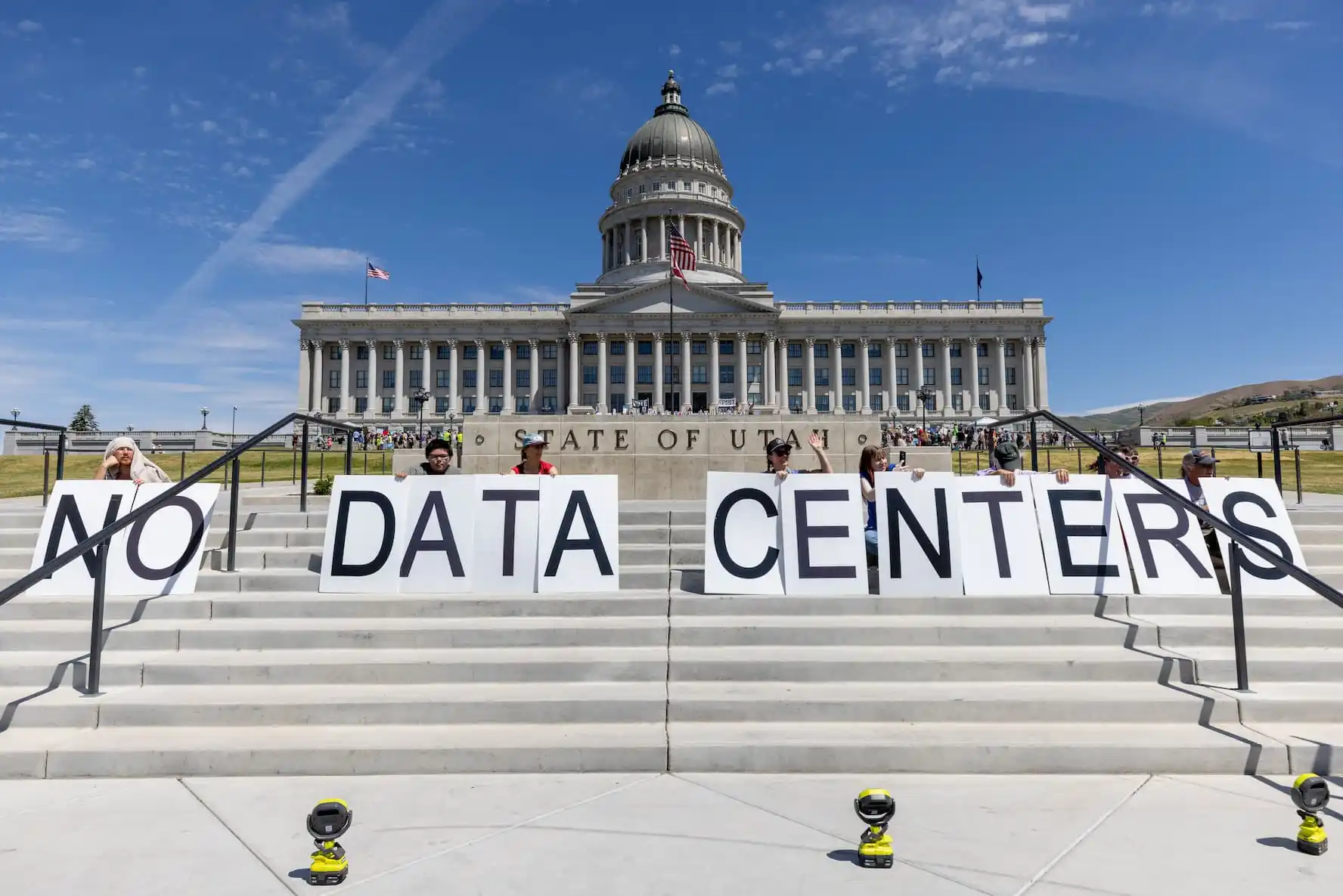
Meta President Dina Powell McCormick said on Wednesday that Democratic wins in the midterm elections would make it harder for companies to build data centers. Speaking at the WSJ Tech conference, she linked the political backlash against data centers to the pace of AI expansion, according to TechCrunch, which reported that Meta warned growing political opposition could threaten future AI investments.
Powell McCormick said the tech industry has not done a good enough job explaining the benefits of data center investment. The comment places the problem less in the engineering or the capital than in communication with the communities that host the facilities. Those communities typically absorb the grid load (the strain on the regional electricity network), the land use and the construction traffic.
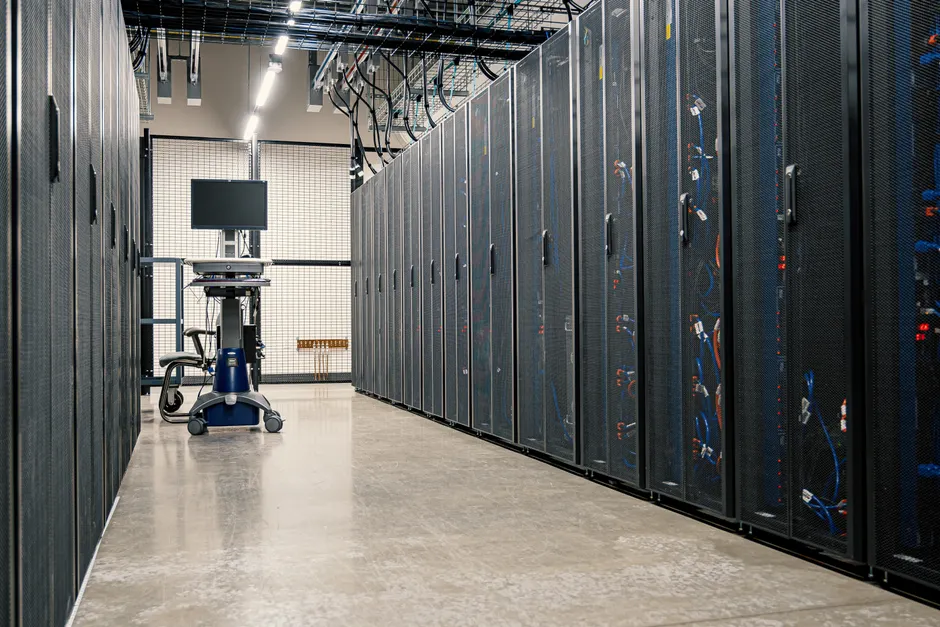
Meta says it has been building data centers for 20 years and currently operates them in 23 states. It has five data center projects of one gigawatt (one billion watts of electrical power) or more planned, one of them in Texas. The company has also stated that its data centers drive U.S. economic growth, support jobs and reinforce America's AI leadership. In the 24 months before April 2026, Meta broke ground on ten data centers while expanding its fleet of AI-optimized facilities, according to a Meta infrastructure post from that month.
Several projects show the scale of the commitments. Meta describes its expansion in Richland Parish, Louisiana as an investment of more than $50 billion in the region. In July, Meta and BlackRock announced a venture to finance the development and operation of a data center campus in El Paso, Texas. The venture is an announced structure for a planned campus, not a finished facility.
In October, Meta published a post titled "Debunking the Biggest Data Center Myths," featuring Tom Shaw, which breaks down three myths about data centers. The post is part of a broader effort to address local concerns directly, and it arrives as the company's public case for the facilities is being tested in an election cycle.
The political pressure is not confined to Meta. Fox News reported that OpenAI moved to ease concerns over soaring electricity costs and the local impacts of AI data centers as Democrats pushed for tougher restrictions. Electricity pricing and local permitting now sit alongside export controls and model policy as points of friction between the AI sector and state and federal officials.
The financial side is also under scrutiny. Meta expects Reality Labs losses to narrow next year to around $15 billion as it reallocates investment toward other priority areas, according to its third-quarter 2026 results, released on October 21. Investors have questioned why Meta needs to spend heavily on data centers when it does not operate a cloud computing business like those of Google and Amazon, which can resell capacity to outside customers. Meta's data center capacity therefore supports internal workloads, mainly its own AI models and products, rather than a rentable cloud service. The return on that spending is harder for investors to read directly.
In my view, the gap Powell McCormick described is a harder problem for the company than the political one. Permitting timelines, grid interconnection and water use are measurable and can be negotiated. Persuading a county commission that a gigawatt-scale campus will benefit a town whose residents see only higher power bills and construction noise is a communication challenge. It depends on local evidence, not national talking points.
The broader context here is that the same facilities that raise grid and land-use questions are the ones that make large-scale model training and inference (running a trained model to generate outputs) possible at all. If the industry can show, project by project, where the jobs, tax base and infrastructure investment land, the buildout has a credible path forward. If it cannot, the next phase of AI capacity will be negotiated county by county, and the timeline will be set by those negotiations rather than by the chip roadmap.