Millions Displaced by Sudan's War Risk Losing Emergency Shelter

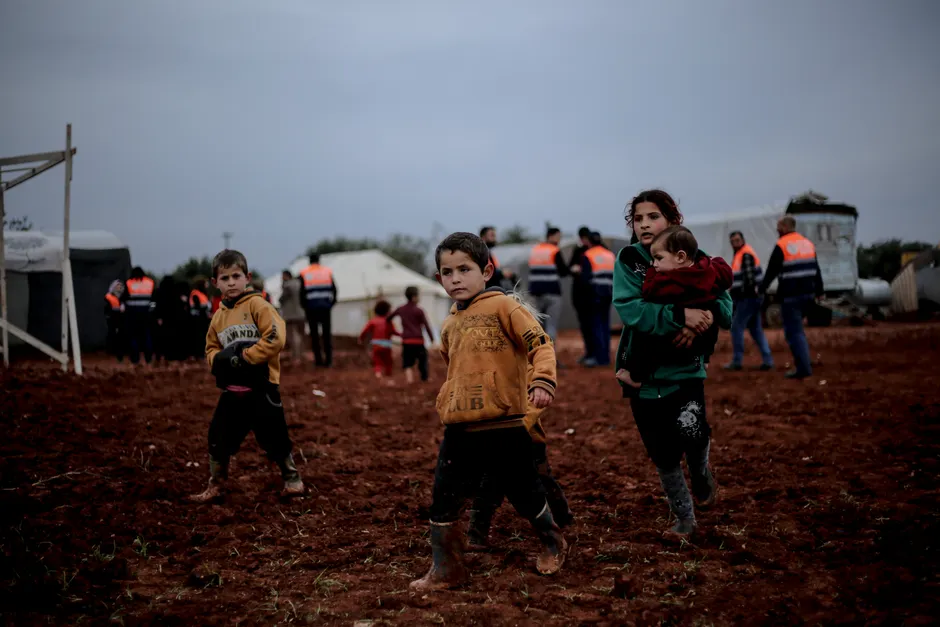
Millions of people displaced by Sudan's civil war risk being left without emergency shelter as funding runs short and aid stocks run down, the UN refugee agency (UNHCR) and the International Organization for Migration (IOM) warned in a joint statement on November 6, 2026, according to Al Jazeera.
An estimated 15.4 million people across Sudan urgently need emergency shelter and basic household items. Because of funding shortages, humanitarian agencies in the country can prioritise shelter assistance for only about 10 percent of those in need. So far, 936,000 people have received emergency shelter help.
The crisis traces back to fighting that broke out in 2023 between the Sudanese army and the paramilitary Rapid Support Forces. Since then, about 8.6 million people have been displaced within Sudan, and more than 4.6 million have fled across its borders. Sudan is the world's largest displacement crisis. More than 5.2 million people have returned to their areas of origin, often finding homes, infrastructure and basic services destroyed.
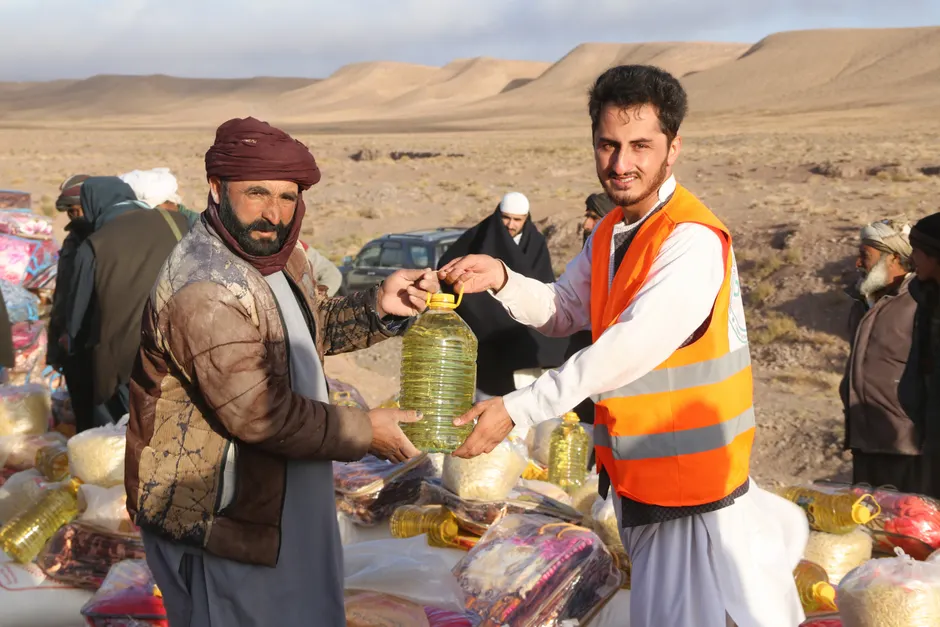
Mohamed Refaat, IOM's chief in Sudan, said the agency distributed more than 40,000 tonnes of aid in 2026, but its warehouses are now completely empty. In a separate UN News report on the same day, UN agencies warned that emergency supplies in Sudan were reaching critically low levels and that more families would be affected unless flexible funding was urgently provided.
Without urgent funding, humanitarian food and nutrition stocks in Sudan are expected to run out by early 2027.
The warnings follow earlier appeals. In September, UN agencies said Sudan's aid networks were at risk of collapse without immediate donations, and UN aid agencies said they might be forced to scale back assistance. On September 29, a UN agency warned that a deepening funding crisis could leave nearly 8.3 million refugees and forcibly displaced people without access to aid that year, as Reuters reported. The World Food Programme said it needs $15 million to keep its Sudan aid pipeline running for the rest of 2026, supporting about 305,000 people.