Meta Gives Its Muse Assistant "Spaces": Persistent Panels That Update Themselves

Meta is rolling out "spaces," a feature for its Muse AI assistant that lets users build customized, app-like experiences, to all Muse users. The Verge reported the rollout on November 6, 2026.
A space is a persistent, interactive panel inside the Muse app, meaning it stays in place between sessions rather than disappearing like a single reply. Meta's examples include a shopping hub, a school dashboard, a music tracker and a trivia game, all of which users work with directly in the app. Users create a space by describing it to Muse, then refine it by asking Muse for changes. Inside a space, users can check items off, add notes and make edits.
The feature can also pull in live data. Connecting a space to a relevant app allows Muse to update pricing, dates and other information in the background, without a new prompt from the user. That is the functional difference between a space and a saved chat, the conversation log Muse keeps for later reference: the space is meant to stay current on its own.
Placement is under user control. Spaces can be added to the sidebar of the Muse app or moved into the main tab, and users can schedule when a space appears. Meta says it is also exploring ways for users to share spaces with other users and collaborate on them. That work is at the exploration stage, and no sharing model has been announced.
Alongside spaces, Meta is rolling out a "specialized" version of its Muse Wonder AI model. The company has not, in the material reported so far, tied that model to any particular space template, so the link between the two should be read as one of timing rather than architecture.
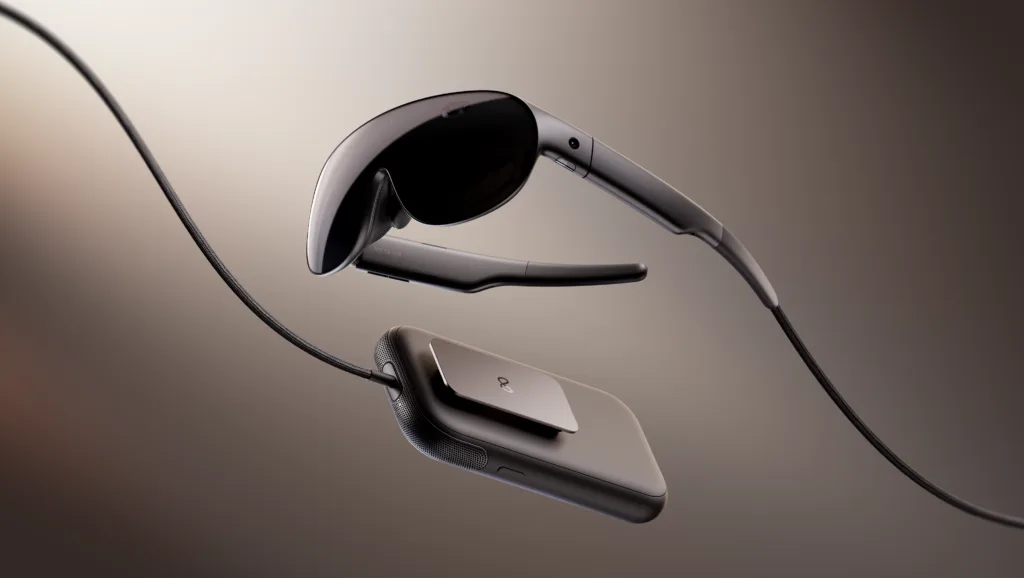
Spaces arrive within a broader run of Muse announcements. On September 8, 2026, Reuters reported that Muse can autonomously send emails, sell a car and book travel. Bloomberg reported the same day that Muse can automate online shopping, buy movie tickets, schedule appointments and fill out forms. Meta also introduced a palm-sized device for using Muse on the go. In July 2026, Meta launched Muse Image and previewed Muse Video, which it described as the first media generation models developed by Meta Superintelligence Labs. At Meta Connect 2026, the company announced Muse updates covering connectors, personalized audio, custom gestures and smarter visual AI. Bloomberg has reported that Muse reached 7 million downloads after launch.
The broader context here is a shift in what an assistant is for. A chat assistant answers a question and waits. A space is a standing interface that the user returns to, and that refreshes against third-party data while the user is elsewhere. Combined with the agent capabilities reported in September, the product direction is toward software that holds state, watches prices and dates, and acts on the user's behalf.
In my view, the questions that matter most for this product sit in the plumbing rather than the interface. Engineers will want to know how background refresh authenticates against a connected app, how often it polls, and what a user has actually authorized when Muse moves from displaying information to taking an action such as a purchase. Those questions become sharper as spaces gain the ability to update and the agent gains the ability to transact. A dashboard that is wrong about a school calendar is an inconvenience. A pricing tracker that is wrong about a payment is a different kind of problem.
Still, the immediate use cases are modest and concrete. A family can keep a school dashboard current without checking five separate portals. A person planning a trip can keep dates and fares in one place that updates itself. Those are small gains, and they accumulate. If Meta's sharing and collaboration work arrives, the same persistent layer could extend from one user's tracker to a shared household or team workspace, which is where the product's utility would be easiest to see at scale.