Texas Governor-Elect Hinojosa Defeats Abbott on a Data Center Platform, as Local Voters Back Limits

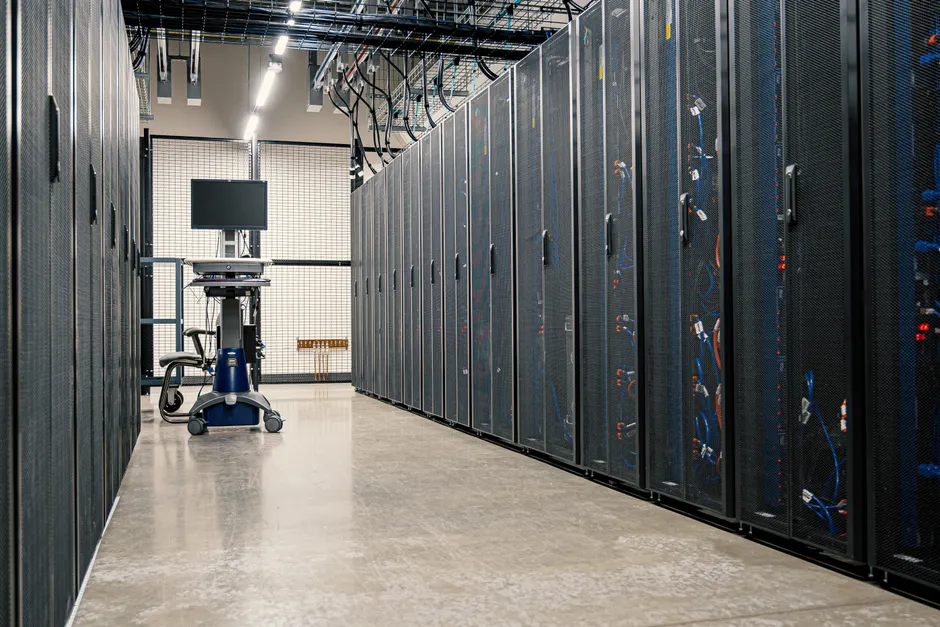
Texas governor-elect Gina Hinojosa defeated Greg Abbott in the gubernatorial race, according to TechCrunch, which reported the result on November 7, 2026. Hinojosa campaigned on a promise to restrict data centers, the facilities that house the servers behind cloud computing and AI.
Voters also weighed in on the issue locally. In the November 2026 midterms, almost all local ballot measures imposing restrictions or moratoriums (temporary freezes on approvals) on data centers passed, TechCrunch reported.
Democrats secured a majority in the U.S. House of Representatives in the November 2026 midterms, and flipped more than two dozen Republican-held seats, including seats in Kentucky and New Jersey, Reuters reported. As of 4:00 p.m. ET on November 6, Democrats had won 248 of the 435 House races and Republicans had won 150, according to Ballotpedia.
Elon Musk spent $445 million to boost Republicans in the 2026 midterms, the Associated Press reported. CNBC reported that $224 million of his 2026 election spending was in Texas. The Guardian reported that his spending set a record. TechCrunch reported that many congressional candidates supported by Musk lost.
Markets reacted on November 4. Reuters reported that Tesla shares fell 3.3% after the Democrats' sweep, that AI data-center stocks slid, and that renewable energy stocks surged. The same outlet reported that the sweep fueled a $750 billion Big Tech rally.
TechCrunch's Equity podcast released an episode titled "After the midterms, things are looking rocky for Elon Musk and data centers." Kirsten Korosec, Sean O'Kane and Anthony Ha discuss what the election means for tech, and the November 7 episode also covers Canva's layoffs. On the show, O'Kane said Musk donated half a billion dollars or more to Republicans and received basically nothing in return.
In my view, the market split is the detail worth watching. Investors appear to have priced the sweep as a headwind for power-hungry AI infrastructure and a tailwind for generation sources that can be built faster or sit closer to load, meaning the electricity demand at a given location.
The broader context here is that a question usually settled in utility commissions and county boards now sits on ballots, and it is being answered in a state that hosts a large share of the country's data center planning. Developers, utilities and grid operators will have to plan around a governor who ran on restrictions and a House that may take a different posture toward federal permitting and energy policy. Whether that produces friction or clarity depends on how specific the new rules are. Clear, predictable standards for siting, power procurement and interconnection would let builders price the risk. Vague moratoria would not.
The technology itself has not stopped advancing, and demand for compute has not gone away. What changed on November 4 and November 7 is where the constraints will come from and who will set them. For engineers, the grid interconnect queue (the line of projects waiting to connect to the grid) and the local permitting process are now part of the design problem, not just the procurement schedule.