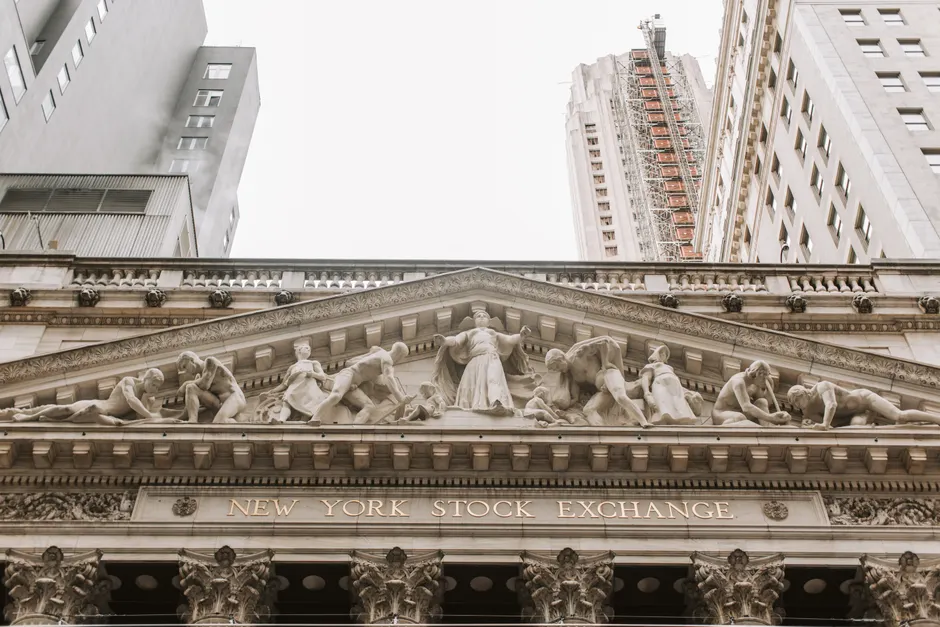
Stocks Rally as the Nasdaq Leads on an AI Rebound

U.S. stocks rallied on Monday, November 9, 2026, with the Nasdaq up 3% as AI-linked shares rebounded. Yahoo Finance reported that the Dow and S&P 500 also rose on the same move. Nvidia stock slid while the Nasdaq rallied, so the gains were not uniform across large technology names.
The breadth of the index moves was wider than the Nasdaq figure alone. Barron's put the S&P 500 up 2.3% in the session and on pace for its largest gain since April 8. The Dow was up 1,090 points, or 2.1%.
A move of that size in a broad index within a single session is rare enough that traders are comparing it with April 8. For a saver with an index fund or a retirement account tied to the S&P 500, the math is simple. A 2.3% day lifts the account by that share before fees, and a down day takes it back just as easily.
The Nasdaq's 3% gain outran the S&P 500's 2.3%, which suggests tech-heavy names carried more of the upside than the rest of the market. In my view, Nvidia falling on a day the Nasdaq rallied is the more telling detail. It points to rotation, meaning money moving between AI-exposed stocks, rather than a uniform repricing of the whole sector.
The session sits on top of a volatile week. On November 3, U.S. stock-index futures fell in after-hours trading after early midterm vote counts pointed to a strong night for Democrats. WSJ reported that the next day the Dow jumped to its best session in 18 months after Democrats won the midterms, while oil fell sharply, with crude down 8.7% on hopes related to Iran. Reuters reported that Democrats seized control of both chambers of Congress and that global stocks rallied on the result.
Control of Congress does not, by itself, change corporate earnings or tax law. The reaction reflects expectations about policy, not policy that has been enacted.
The pre-election backdrop was less upbeat on the economy itself. Reuters reported that voters went into the midterms in a sour economic mood as the economy sent mixed signals amid rising prices. By November 6, WSJ reported that stocks ended mixed that day after strong jobs data and a modest AI rebound.
A strong jobs report cuts both ways for rate-sensitive assets. It can ease recession fears while reducing the odds of near-term rate cuts from the Federal Reserve. The mixed close suggests investors were weighing those effects against each other.
Historical context has been circulating too. CNBC reported that the S&P 500 averaged a 13.7% one-year gain after 11 midterm elections since 1980. Eleven observations is a small sample, and the average is shaped by the macro conditions of those particular years. The November 9 move does not establish a trend on its own.
What the week has produced so far is a run of large moves driven by politics, geopolitics, and AI. The election, the oil drop tied to Iran, and the AI rebound each pushed prices, and they may not point the same way over the next few sessions. Tracking the Nasdaq-to-S&P gap, the Nvidia divergence, and the oil price will tell you more than any single day's index close.