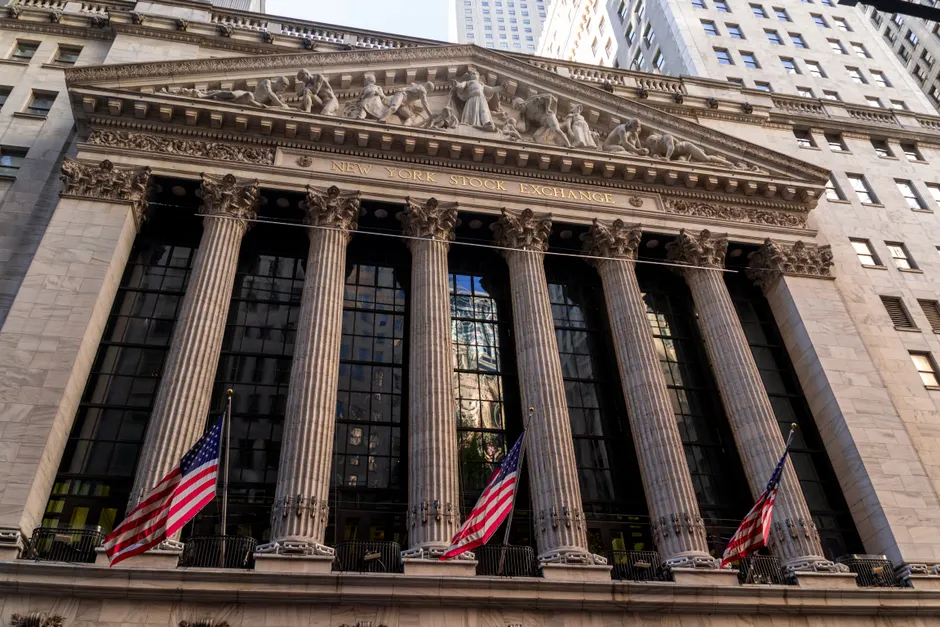
Stocks Bounce Hard on Monday, But Not All the Way Back

U.S. stocks rallied hard on Monday, November 9, 2026. The S&P 500 closed up 2.35% at 7,549.94, and the Nasdaq Composite gained 2.74% to 25,253.14, according to CNBC. The Wall Street Journal called it the S&P 500's best day in seven months.
The bounce came after a sharp reversal. On Thursday, November 5, the S&P 500 dropped 4.36% to end at 7,353.73 points. The Nasdaq fell 5.52% to 24,315.00, and the Dow Jones Industrial Average slid 3.44% to 51,523.06, according to Reuters. The Nasdaq's drop was its largest single-day decline in 19 months. Business Insider characterized the sell-off as one that ripped through the tech sector after the midterm elections.
Working back from the 4.36% decline, the prior close was roughly 7,689. That figure is my arithmetic, not a reported number. Monday's close of 7,549.94 sits about 1.8% below it. For the year, the S&P 500 was up 7.4% after Thursday's selloff, per Reuters, and up nearly 8% as of November 6.
On my reading of those numbers, the index has recovered most of Thursday's loss but not all of it. One day of this size is not yet a settled read on the trend.
The rally had a macro catalyst. Reuters reported that a drop in oil prices tempered inflation fears and helped the S&P 500 rebound.
The mechanism matters for anyone holding stocks or bonds. Lower crude feeds into headline inflation, the broad rise in consumer prices. That shapes expectations for policy rates and Treasury yields, the interest a government bond pays. Lower yields raise the present value of future cash flows, since a dollar of profit arriving years from now is worth more when discounted at a lower rate. That is why growth-heavy companies often respond most to a softer inflation signal.
Whether the oil move lasts is the variable to watch.
Leadership was uneven. Nvidia's stock slid on Monday even as the Nasdaq surged. The WSJ headline also points to Nvidia's spy scandal, which investors appeared to look past in aggregate.
In my view, that divergence deserves more attention than the headline number. An index can rise while its largest constituent falls, but that leaves index returns leaning on the rest of the market's breadth and on a handful of names. Investors holding concentrated index exposure carry a different risk from those holding equal-weighted or sector-diversified portfolios, and Monday's tape showed that gap.
On the headline's framing, that investors "brush off" the selloff to buy, the phrase is a reading of flows and price action, not a measurement of positioning. A single session with a 2.35% gain could be a relief rally, a short-covering episode, or the first leg of a sustained recovery. The data available on November 9 cannot tell these apart.
Skeptics will point out that the S&P 500 remained below its pre-November 5 level. Optimists will point out that the market absorbed a tech-led shock, a sharp oil move, and a company-specific controversy within a week and still closed near its year-to-date gains. Both readings are open. The next few sessions, the inflation data, and oil prices will do more to settle them than any one close.