Garmin Riders Can Now Share Their Position With Waze Drivers

Garmin users can now share their cycling location with Waze drivers through Garmin's LiveTrack feature. The two companies present the integration as a safety measure, designed to make cyclists visible to drivers on the road. Engadget reported the update on 10 November 2026.
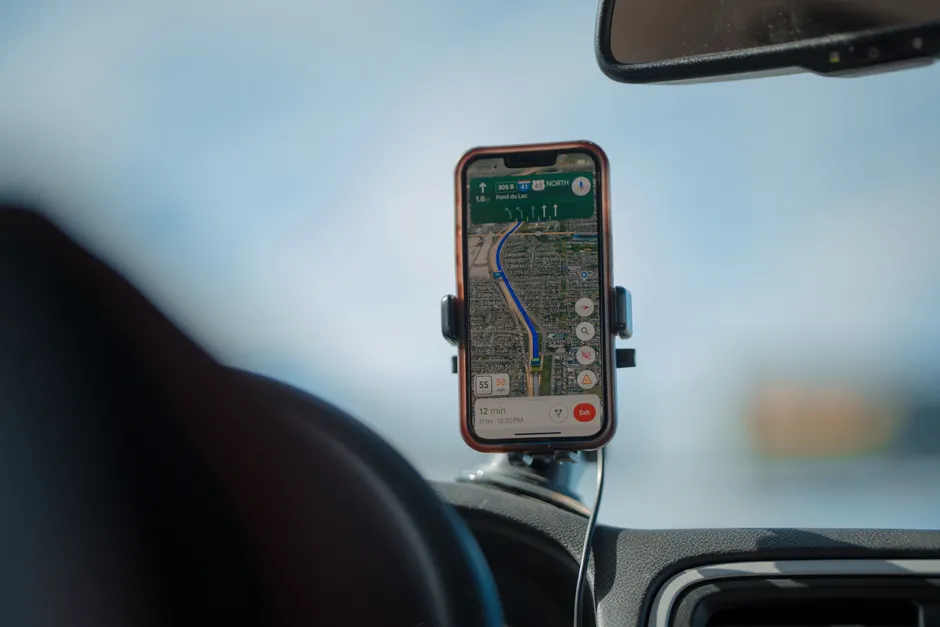
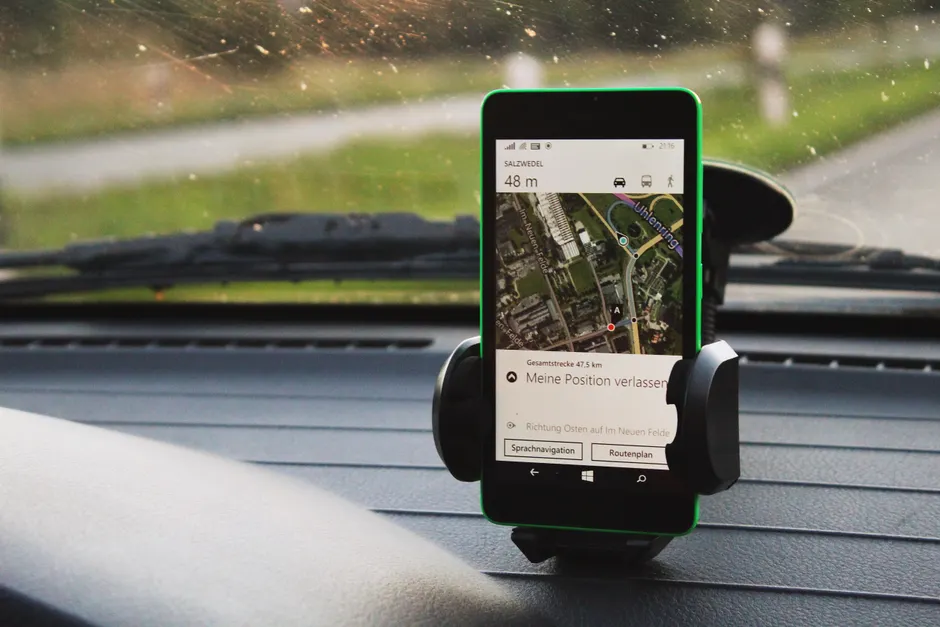
The mechanism runs through the rider's hardware. Enabling LiveTrack on a Garmin smartwatch or Edge bike computer causes the cyclist to appear temporarily on Waze while they ride. Drivers using the app receive an in-app notification that one or more cyclists are ahead on the road. As they approach, they also see a moving icon representing the cyclists.
The feature is opt-in. Using LiveTrack for the Waze integration is optional, and it switches off automatically when the rider ends a ride on the Garmin device. A rider who never enables LiveTrack does not appear to Waze users at all. A rider who forgets to end a ride on the device should, under the design as described, see sharing stop when the ride is closed.
On privacy, Waze says a cyclist's name, identity and route are never shared through the Garmin LiveTrack integration. A driver therefore receives a presence alert and a position icon, not a profile of the person riding.
The broader context here will be familiar to anyone who has followed the convergence of wearables and navigation software. A Garmin device already records a rider's position, typically for training or route logging. It now also feeds a second audience: drivers who are already looking at a navigation screen. Waze is built on crowd-sourced data, meaning road information contributed by its own users, so a cyclist becomes one more live input to a map that millions of drivers consult. The integration extends that model to the road user who has historically been hardest to see in traffic data.
The most useful details will emerge in use. How the alert behaves on dense urban routes with many riders, how reliably a driver registers an icon while managing traffic, and whether riders remember to switch the feature on for every ride will determine whether it changes outcomes on the road. Those are questions for the riders, drivers and road safety researchers who will live with the system.
What the integration makes possible is narrow but concrete. A cyclist who chooses to broadcast a position can be registered by a driver's app before the driver reaches them, and the rider gives up their name and route in exchange. For a technology that began as a way to log a ride, that is a modest and specific shift, and the design choices around opt-in use and identity protection are what keep it that way.