Lebanon's Abandoned Farmland Rises to Around 24 Percent as War Hits Wheat

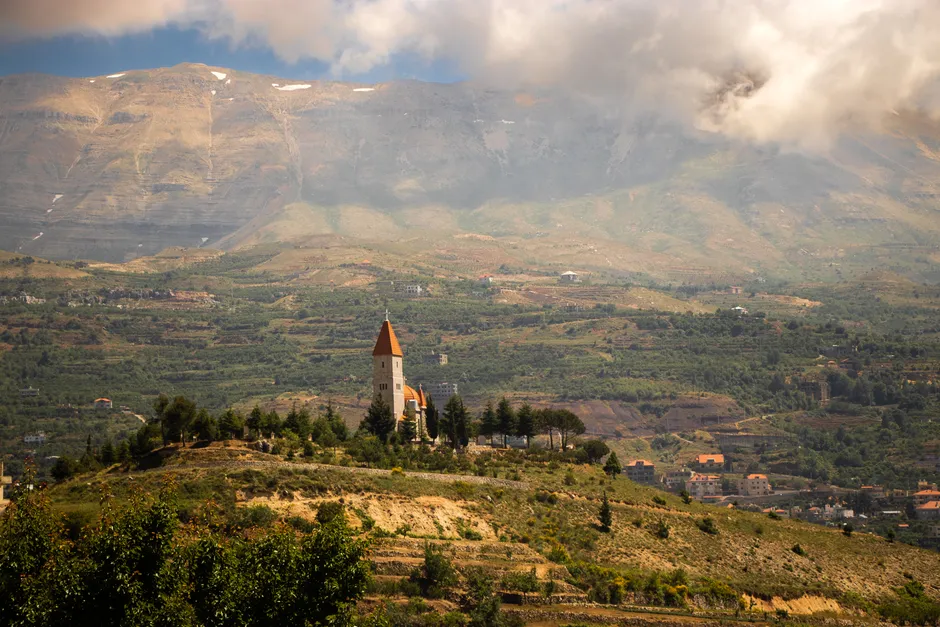
The share of farmland abandoned because of the war has risen to around 24 percent in Lebanon's wheat-growing south and in the Bekaa Valley, according to Al Jazeera.
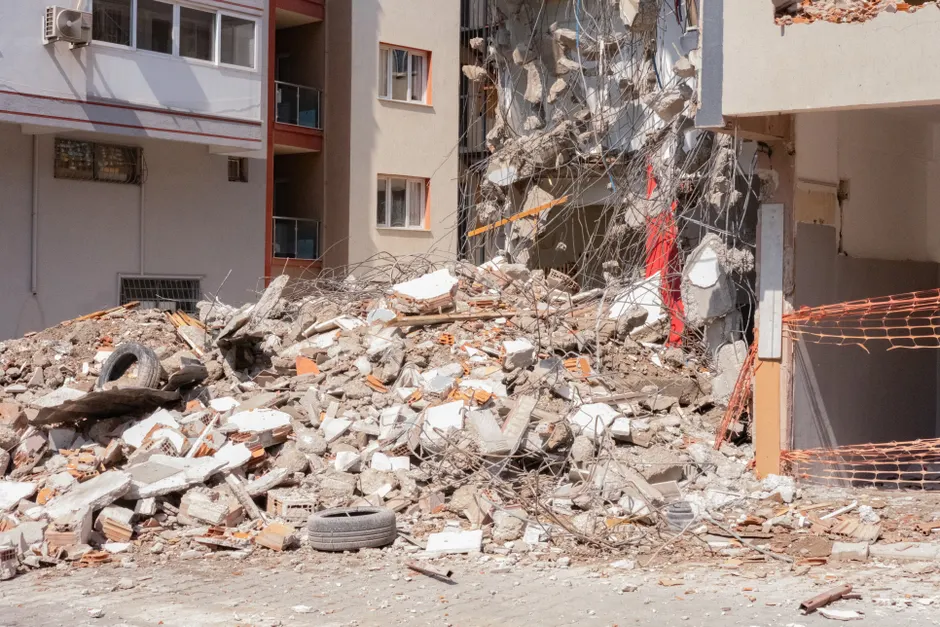
The fighting has a longer history than its latest phase. In 2024, France and the United States brokered a ceasefire, a pause in hostilities agreed between the sides. Israel continued attacking targets in Lebanon after that truce took hold. On March 2, Israel escalated its war on Lebanon for the second time in under two years.
Hezbollah, an armed group based in Lebanon, attacked Israel two days after Israel killed Iran's Supreme Leader, Ayatollah Ali Khamenei. Hezbollah said the attack was also a response to near-daily ceasefire violations by Israel. Since the March escalation, Israeli forces have reinvaded southern Lebanon, taking land up to 10 kilometres (6.2 miles) inside the country.
In June, Beirut and Tel Aviv signed a framework agreement, a broad outline for later detailed steps, brokered by the United States. It provides for pilot zones in which Israeli troops would withdraw and be replaced by the Lebanese Armed Forces, the national army. Under the plan, the army would also work to disarm Hezbollah.
Farming has been hit hard. Mariam Ibrahim, a researcher with Lebanon's National Council for Scientific Research, puts average wheat-growing area losses in southern Lebanon at 47 percent in 2023-2024 and 61 percent in 2024-2025. The Bekaa plain produces about 64 percent of the country's wheat. It lost around 43 percent of its wheat area in 2023-2024 and around 57 percent in 2024-2025, according to Ibrahim.
Losses vary sharply from place to place. In Bint Jbeil, a border town, 100 percent of cropland was destroyed. In the Baalbeck district, about 32 percent of cropland was destroyed. Ibrahim is the author of the paper "Wheat in Crisis," which tracks Lebanon's wheat from 2017 to 2025.
The damage extends beyond individual fields. Munira Khayyat, author of A Landscape of War: Ecologies of Resistance and Survival in South Lebanon, told Al Jazeera that Israel is disrupting entire ecosystems and advancing drought and desertification, the spread of desert-like conditions onto farmland. Al Jazeera also reports that since 2023, Israel has attacked large swaths of southern Lebanon, including with white phosphorus.