United Airlines Moves to Block AI Agents From Booking Its Flights
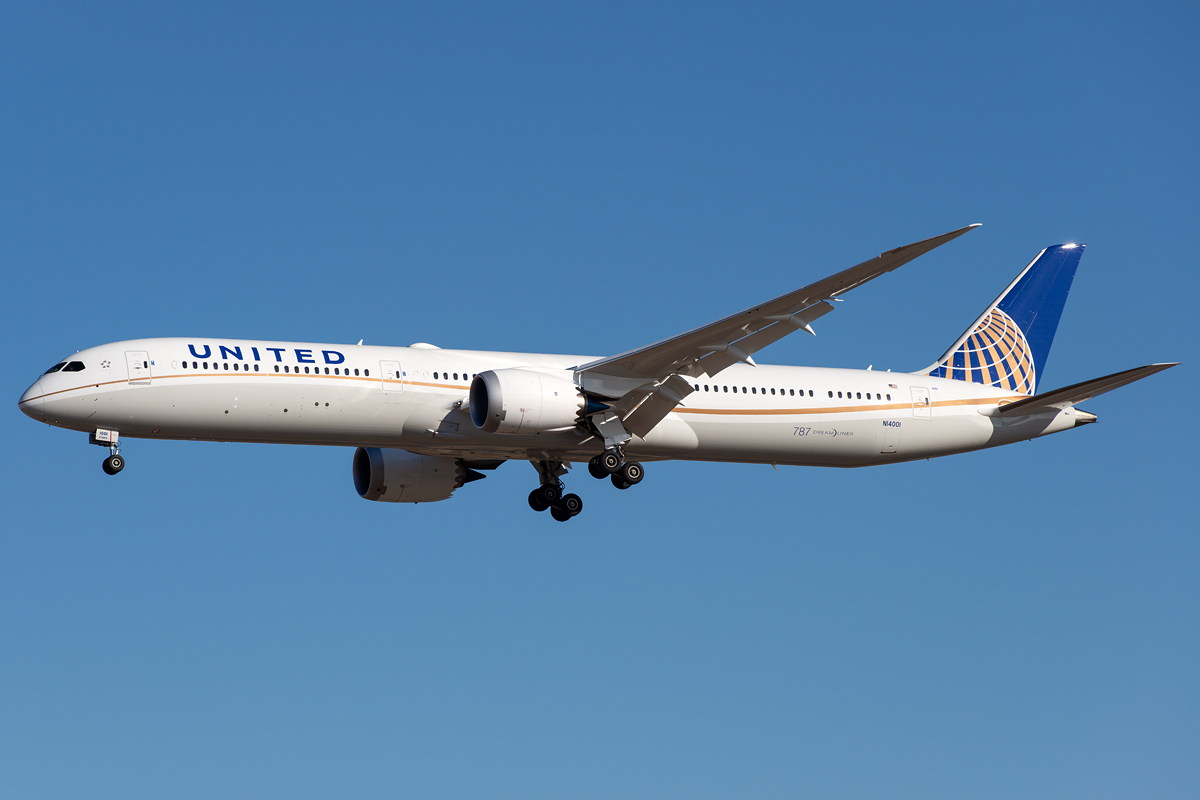
United Airlines plans to change its ticketing policies to stop AI agents, which are programs that act on a user's behalf, from booking flights through its website, through third-party travel agencies and through flight aggregators, which are search sites that compare fares across airlines. The announcement was reported on November 11, 2026, and is published in the airline's newsroom. The change is described as a policy shift, so it has not yet taken effect in the form the company describes.
The stated rationale centers on credentials and payments. United said that sharing payment details or login credentials with an AI agent can expose sensitive information and lead to unintended purchases, account changes or use of MileagePlus miles. Engadget reported the same reasoning in its coverage of the announcement.
The company also said that allowing an AI agent to complete a booking could violate Department of Transportation and Federal Aviation Administration regulations. That position makes the policy a compliance matter as well as a security and account-management one. United framed the restriction around the act of completing a booking, not around the use of automation in trip research.
Separately, United said that only a human can acknowledge that their bag does not contain explosives during flight check-in. The statement treats that attestation as a step a person must perform, and it is distinct from the ticketing restrictions.
The three channels named in the policy cover most of the consumer routes by which a traveler or a software agent would purchase a fare: the carrier's own site, agency platforms and aggregator search engines. Each can be reached programmatically, meaning through code rather than a person clicking a page, and each is a place where a stored card or a logged-in session, the state a site keeps after you sign in, can be used on a user's behalf.
The broader context here is an unresolved question in agentic commerce, where software carries out purchases for a person: how a delegated tool should authenticate when it acts for a traveler. Today, many agents operate by holding a user's credentials, which is the practice United cites as the source of risk. Airlines hold loyalty balances that function as stored value, so an agent that misuses a login can spend miles as well as money. The MileagePlus reference makes clear that the exposure extends to the account itself.
In my view, the policy is a blunt instrument for a problem that the industry will need finer tools to solve. A ban on booking by agents protects the airline and its customers from the worst outcomes, but it also removes a class of assistant that might have helped travelers compare fares and manage itineraries. Whether airlines eventually offer authenticated, scoped delegation, with consent, spending limits and audit trails, will determine whether agents become a legitimate sales channel or remain a grey area.
The effect of the change on how agents reach United inventory will depend on implementation, which the announcement describes only in outline. For now, the clearest facts are these: United intends to keep completed bookings within channels it controls and to treat agent-completed transactions as a regulatory and account-security problem. Travelers who rely on automated booking tools should expect that the rules, not the technology, will set the terms of access.