Netflix Says 300 Titles Have Used Generative AI, Mostly in Post-Production
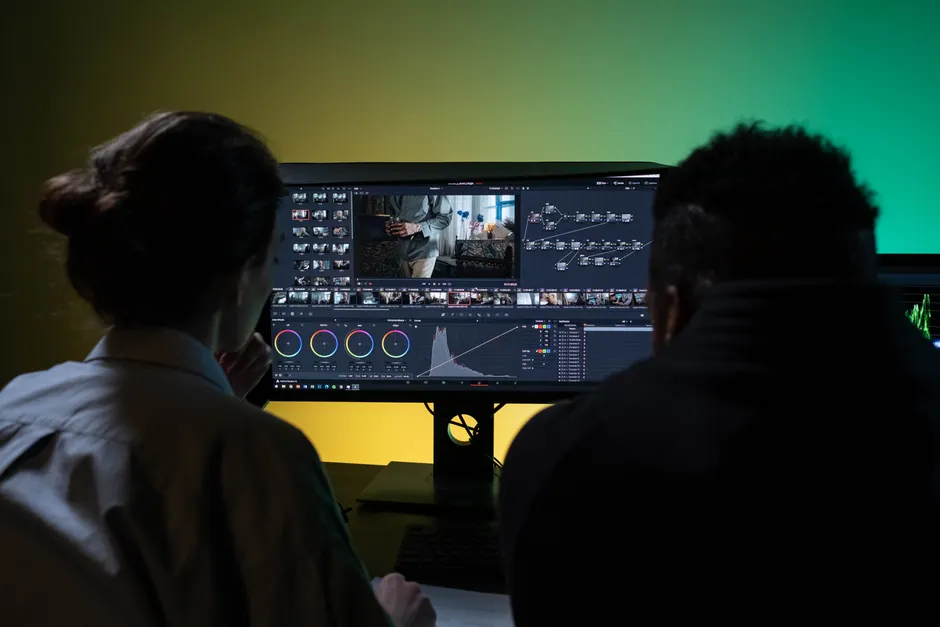
Netflix disclosed in its Q2 2026 earnings report that roughly 300 titles on its platform have used generative AI, with the majority of that usage concentrated in post-production. The company cited the tools as a means to "deliver higher quality output more quickly and at a lower cost," according to its shareholder letter (The Verge).
The report, published July 16, named three titles as examples: Glory, Brasil 70: A Saga do Tri, and The American Experiment. According to the shareholder letter, generative AI was used on these productions to create "enhanced crowds, historical battle sequences, and worldbuilding establishing shots" (The Verge). All three use cases fall into post-production VFX (visual effects) and scene-extension work, rather than scriptwriting, performance capture, or pre-production design.
The disclosure follows a series of moves by Netflix that signaled deepening investment in AI-assisted content creation. Co-CEO Ted Sarandos previously confirmed that Netflix used generative AI to create a scene in the sci-fi series The Eternaut, citing speed and cost as the drivers (The Verge). The company acquired Ben Affleck's AI startup, created an internal AI animation studio, and used an AI-generated voice of Gene Wilder in its Wonka's The Golden Ticket reality show (The Verge). Taken alongside these initiatives, the 300-title figure suggests generative AI has moved past experimentation into routine use within Netflix's production pipeline.
The earnings report itself landed on mixed ground. Netflix reported Q2 2026 revenue of $12.56 billion, slightly below the $12.58 billion forecast by analyst Blackledge, who had projected 13.5% year-over-year growth and $4.11 billion in operating income (The Hollywood Reporter). Netflix's forward guidance fell short of analysts' expectations, and shares fell the most in six months following the report (Bloomberg).
The company stated it is on track to double its ad revenue to $3 billion (The Verge). That target, combined with the AI disclosure, frames a quarter in which Netflix is simultaneously optimizing production costs through generative tools and scaling a still-emerging advertising business.
The shareholder letter also addressed engagement concerns directly. Netflix stated that "time spent is just one aspect of strong engagement" and that "quality and variety also matter" (The Verge). The defense came alongside the latest What We Watched report, which showed subscribers watched over 97 billion hours in the first half of 2026, up 2% year over year (The Verge). Netflix also announced it will reduce the frequency of that report from twice per year to once per year (The Verge).
The broader context includes significant leadership and spending transitions. Reed Hastings stepped down from Netflix in April 2026 (Bloomberg). The company spent approximately $18 billion on programming in the prior year (Bloomberg) and subscribers topped 325 million, growing almost 8% over the prior year (Bloomberg).
Looking at what this means for the production ecosystem, the 300-title figure is the most concrete data point yet from a major streamer on the scale of generative AI integration in actual content pipelines. The fact that usage is overwhelmingly post-production, rather than in creative origination, aligns with where the technology is currently most defensible. Tasks like crowd generation, environmental extension, and establishing-shot worldbuilding are labor-intensive in traditional VFX workflows and offer genuine cost and time savings. Whether Netflix's disclosure prompts competitors to be similarly transparent, or whether it draws regulatory and guild scrutiny around labor displacement in VFX and post-production houses, are the questions that will shape the next phase of this story. The creative-labor tensions around AI in entertainment are well documented, and a number like 300 titles gives that debate its first hard edge.
There is also a transparency question worth noting. Reducing the frequency of the viewership report while simultaneously defending engagement metrics against scrutiny is a pairing that raises fair questions, though Netflix has framed the change as a streamlining of reporting cadence.