Netflix Paid $587 Million for Ben Affleck's AI Filmmaking Startup, SEC Filing Reveals

Netflix paid $587 million in cash to acquire InterPositive, the AI filmmaking startup co-founded by Ben Affleck, according to an SEC regulatory filing for the period ending June 30, 2026 (TechCrunch).
The figure, disclosed in Netflix's Q2 2026 regulatory filing, comes roughly four months after Netflix announced the acquisition in March 2026 without disclosing financial terms. Bloomberg reported at the time that the deal could be worth up to $600 million, suggesting the $587 million cash payment falls within that range, though the filing does not clarify whether additional compensation or earn-outs are involved (TechCrunch).
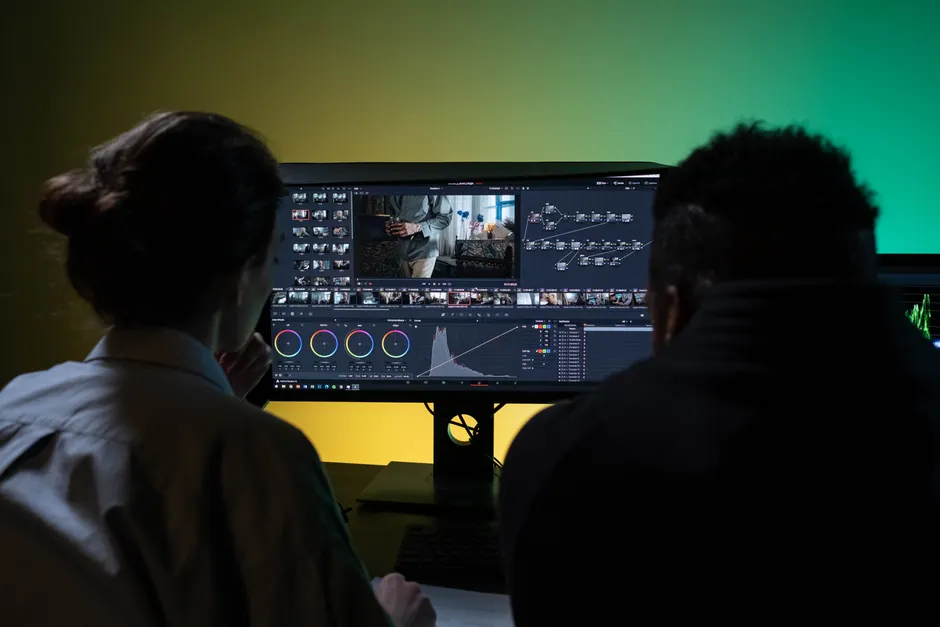
InterPositive builds AI tools designed to assist filmmakers in post-production — the phase of filmmaking that happens after shooting wraps, which includes editing, visual effects, color correction, and sound design. Affleck has said the company's tools address practical challenges such as missing shots, background replacements, and incorrect lighting. That places InterPositive's technology squarely in the post-production pipeline rather than in generative content creation from scratch, a distinction that matters as the industry debates where AI should and should not intervene in the creative process.
Upon the acquisition announcement, Netflix stated the entire InterPositive team would join the company and Affleck would take on a senior advisory role. In a Q1 2026 SEC filing, Netflix said it acquired InterPositive to provide its creators with a broader set of GenAI tools (SEC).
Affleck framed the acquisition in terms of creative preservation, stating he wanted to "protect the power of human creativity" in connection with the Netflix deal. The phrasing aligns with a positioning strategy that emphasizes AI as a tool for filmmakers rather than a replacement for them, though how that principle translates into product decisions at Netflix remains an open question (TechCrunch).
The acquisition also lands in the context of Netflix's broader generative AI deployment. In its Q2 2026 earnings report, Netflix stated that approximately 300 of its titles have used generative AI in some capacity (TechCrunch). The company did not break down which titles, which AI tools or vendors were involved, or at what stage of production the AI was applied.
The 300-title figure offers the first concrete sense of how deeply generative AI has already penetrated Netflix's production pipeline. For the creators, vendors, and guilds watching the streaming industry, it raises practical questions: if generative AI is already present across hundreds of titles, the InterPositive acquisition looks less like Netflix beginning its AI journey and more like the company consolidating proprietary tooling under its own roof rather than relying on third-party solutions.
The $587 million cash price is substantial for a startup whose public footprint, at least from the verified facts available, centers on post-production AI assistance rather than end-to-end generative content. Without visibility into InterPositive's revenue, headcount, or intellectual property portfolio, the price-to-substance ratio is difficult to assess from the outside. The figure suggests Netflix is paying for proprietary technology, a specific team's expertise, the combination of both, or Affleck's involvement as a creative leader.
What is clear from the filing and Netflix's own statements is the trajectory. The company has moved from deploying generative AI across hundreds of titles using external or in-house tools to acquiring a dedicated AI filmmaking startup, absorbing its team, and bringing on a high-profile creative figure as senior advisor. The signal to the industry is that Netflix intends to build its GenAI capabilities internally, and it is willing to pay nearly $600 million to do so.
For filmmakers and post-production professionals, InterPositive's toolset addresses a familiar set of pain points. Missing shots, background fixes, and lighting corrections are routine, time-consuming, and expensive parts of post-production that have traditionally required skilled artists working in compositing and color pipelines. Think of it like photo-editing software for a single image, but applied to every frame of a film. If the tools work as described, they would compress timelines and reduce costs on those specific tasks. The open question is whether that compression shifts the labor mix or simply raises the volume of work a team can handle.
Netflix has not detailed how InterPositive's technology will be integrated into its production workflows, whether it will be offered to external creators, or what governance framework will apply to AI-assisted post-production on its platform. Those are the operational details that will determine whether this acquisition meaningfully changes how Netflix content gets made or simply adds another tool to a growing stack.