Voinosis Wins DETO 2026 Pitch Contest in Seoul, Earning a Startup Battlefield 200 Spot

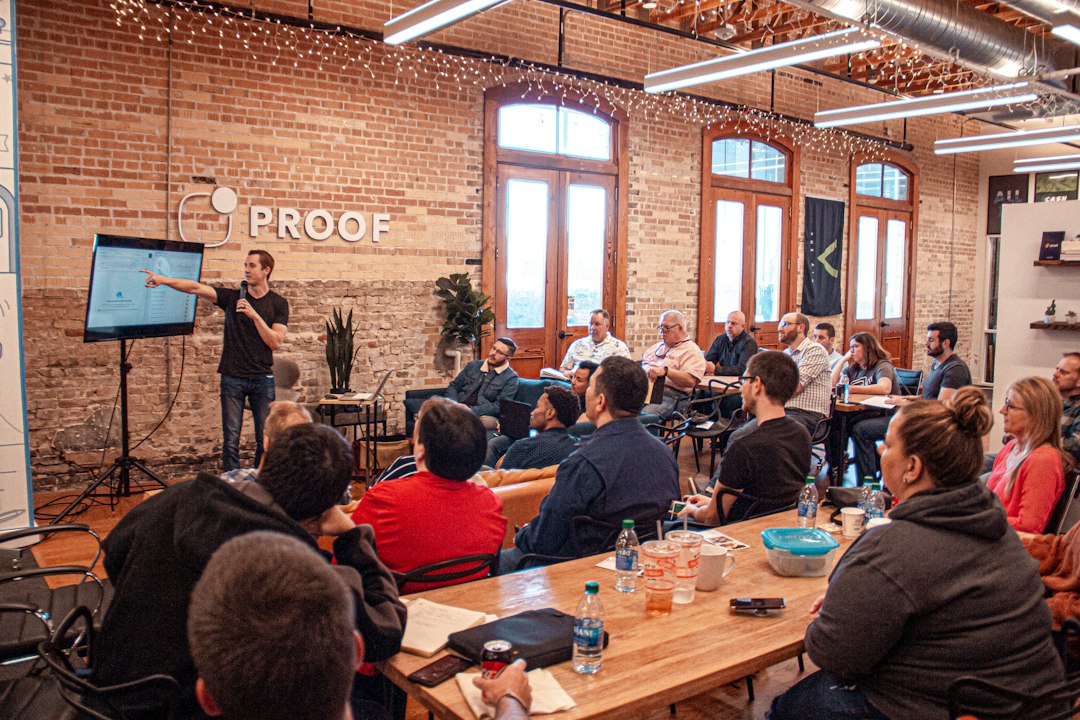
Voinosis won the pitching competition at DETO 2026 in Seoul, earning a place in next year's Startup Battlefield 200. Nine early-stage South Korean startups took the stage to compete for that place, according to TechCrunch, which reported the event on 12 November 2026.
The nine companies span deep tech, including healthcare, fintech, energy, semiconductors and AI. All nine want to enter the U.S. market as part of wider international expansion. Several of the pitches sit in hardware or regulated categories, where a U.S. entry strategy involves more than a go-to-market plan and a cloud deployment.
Voinosis is developing AI that analyzes speech features such as pitch, pauses, rhythm and response times to detect changes linked to brain health. The company says each voice check takes under five minutes. It also says the technology has been tested in Greek, Japanese and English and does not need separate training for each language. In a clinical study of 146 participants, Voinosis claims 88% accuracy in screening for potential cognitive issues. The company was founded by Grace Shin, who spent more than 25 years as an otologic (ear) surgeon. Voinosis is raising a Series A round and has secured a South Korean pharmaceutical company as a strategic investor.
In my view, the 88% figure deserves the scrutiny an expert would apply to any screening metric. Accuracy alone does not show how many true cases are caught or how many healthy patients are flagged. The reference standard used to label cognitive status also determines how much weight the number can bear. One study of 146 participants is a starting point for that evaluation, not a verdict on the method. The language claim is similarly worth testing in larger, more varied groups. Working from acoustic and timing features rather than the words a person uses is a practical design choice for multilingual deployment.
Awesome Lab, based in Seoul, makes ThermoFlux, a heating system that uses water electrolysis (splitting water with an electric current) and ionization to generate heat. In the U.S., the company plans to supply core OEM modules and work with boiler, water heater and HVAC manufacturers on product development. That positions Awesome Lab as a component supplier inside other companies' products rather than as a direct brand.
Crosshub's platform, IDBlock, combines identity verification and payment services. It uses Self-Sovereign Identity, in which users hold their own identity credentials, along with zero-knowledge proofs, which let a user prove an attribute without exposing the underlying data. For payment flows that depend on verified identity, that architecture is the central design question.
DeepFusion AI has developed a 4D radar-based imaging system with additional sensors. The company is targeting autonomous mobility, robotaxi, maritime surveillance and defense applications. Its sensor-fusion approach enters a crowded field, where radar, lidar and camera stacks are each tuned for different operating envelopes.
EFLOW develops motors that produce more torque in less space, aimed at robots, drones, satellites and other mobility applications. Torque density is a constraint most of those platforms share, so the company's pitch addresses a problem that spans several sectors on the list.
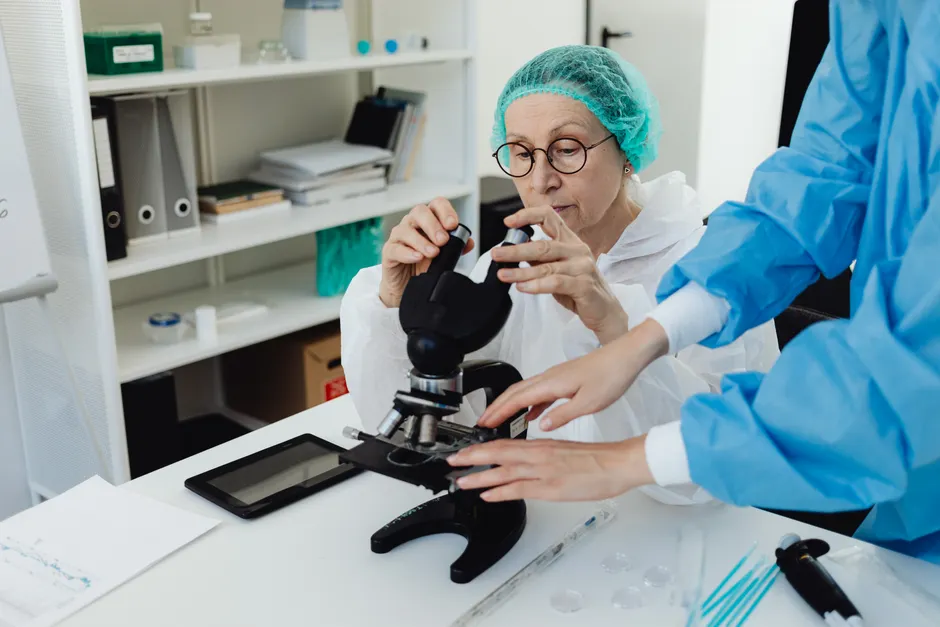
Otition Medical makes two medical devices. One measures body temperature. The other captures images of the ear canal and analyzes the eardrum. The company says its AI was trained on about 55,000 eardrum images and that its device has received medical certification in South Korea. Certification in one market is a separate step from clearance elsewhere, and the company's U.S. plans are not detailed.
The broader context here is that the nine companies cluster around sensing, inference and regulated health use cases. Speech-based cognitive screening and eardrum imaging both rely on signal analysis of the kind consumer devices have made routine, applied to clinical questions where the evidence bar is considerably higher. If the accuracy and language-independence claims hold up under independent testing, a five-minute screen that needs no per-language retraining could lower the cost of checking for cognitive change. That is the outcome worth watching as these companies move toward the U.S.