Google Adds Privacy Safeguards to Gemini Smart Glasses

Google has published a blog post setting out privacy protections for its intelligent eyewear platform, the smart glasses built around its Gemini assistant. Engadget reported on the post on 12 November 2026, and its article included an interview with Juston Payne, Google's lead for XR (extended reality, the umbrella term for virtual and augmented reality), on the measures.
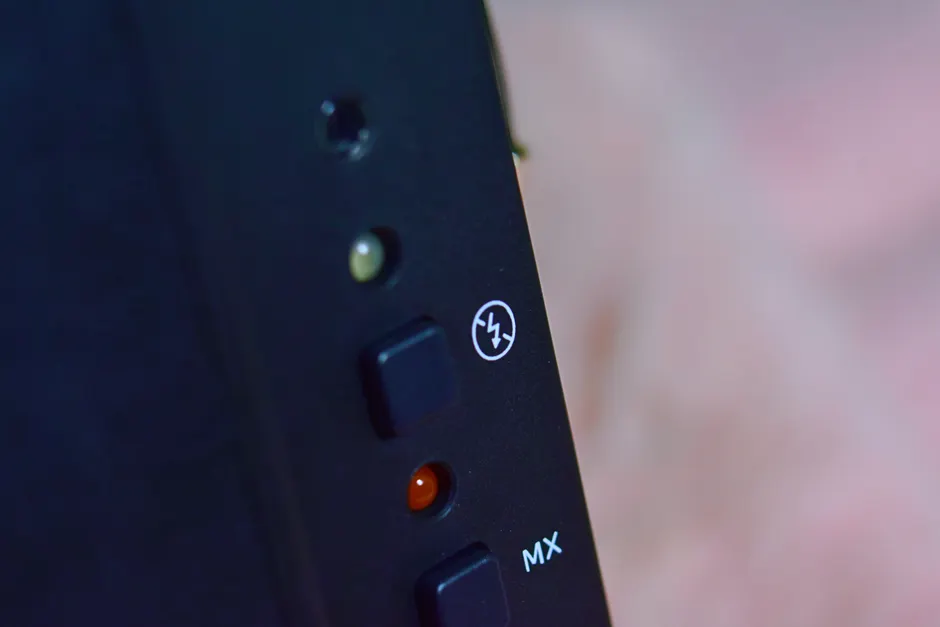
The most visible protection is an LED indicator, a small light-emitting diode, that lights when a photo is being taken or a video is being recorded. Google says the glasses also carry sensors that detect whether that indicator has been covered or tampered with. If they do, the glasses will prevent photo or video capture.
Google has also said that camera visuals from the glasses will not be stored in the wearer's Gemini history, the record kept in the user's account. The company says the glasses are designed to automatically redact, meaning blur or remove, bystanders' faces before Gemini processes the visuals. The camera stream will also not be used for AI training or ad targeting.
These measures act at different stages of the data path, the route camera footage travels from capture to storage or use. The LED and tamper sensors govern capture, and they are the only element a bystander can observe directly. Face redaction runs before the model receives the image, so it operates on third parties who have no say in the interaction. The history exclusion governs persistence, meaning what remains in the user's account after a session. The training and ad-targeting exclusions are commitments about downstream use. They describe what Google says it will not do with the stream, not a technical barrier that prevents it.
The broader context here is that wearable cameras have always raised the same question: who is recorded, and who knows it is happening. A small light is a cheap signal, and its value depends on whether people nearby can read it and whether it resists tampering. Google's sensors, which block capture when the light is obscured, respond directly to that weakness. They do not resolve the question for anyone recorded without noticing, but they change what a recording requires.
In my view, the most useful test for these claims is the one experts already apply to any privacy commitment: whether the controls are enforced in the device and service architecture, and whether someone outside the company can verify them. How redaction performs in crowded or low-light settings, and how the training and ad-targeting exclusions are audited, will determine how much weight the commitments can carry.
Taken at face value, the design is a reasonable attempt to separate assistant functionality from the retention and monetization patterns that have shaped earlier consumer camera products. If the controls hold, camera-equipped eyewear could give an assistant visual context while leaving a narrower data trail than the phrase "always-on camera" suggests. Whether the industry adopts comparable defaults will depend less on announcements than on how the first deployments behave in public.