SpaceX Shares Dip Below IPO Price as $600 Billion in Market Value Evaporates
SpaceX shares closed at $135.27 on July 15, 2026, after sliding 0.6% during the session and falling as low as $132.28, dipping below the company's $135 IPO price for the first time since its public listing. The close matched the prior session's level; on July 14, the stock had hit an all-time intraday low of $132.75 before recovering to the same $135.27 settlement, according to Yahoo Finance.
The breach of the IPO price caps a brutal unwind that began in late June. On Monday, June 22, SpaceX stock fell 16%, opening at $150 per share in what marked the sharpest single-day decline since the company's market debut. The sell-off accompanied a broad-based tech rout that erased approximately $600 billion in SpaceX market value, as reported by Al Jazeera.
For retail and institutional investors who bought into the listing or added shares during the post-IPO rally, the drawdown is a stark reminder that momentum-driven premiums are fragile. The stock's trajectory from debut through its all-time high and back to the offer price played out in a matter of weeks, compressing an entire boom-bust cycle into a window that left little room for incremental risk management.
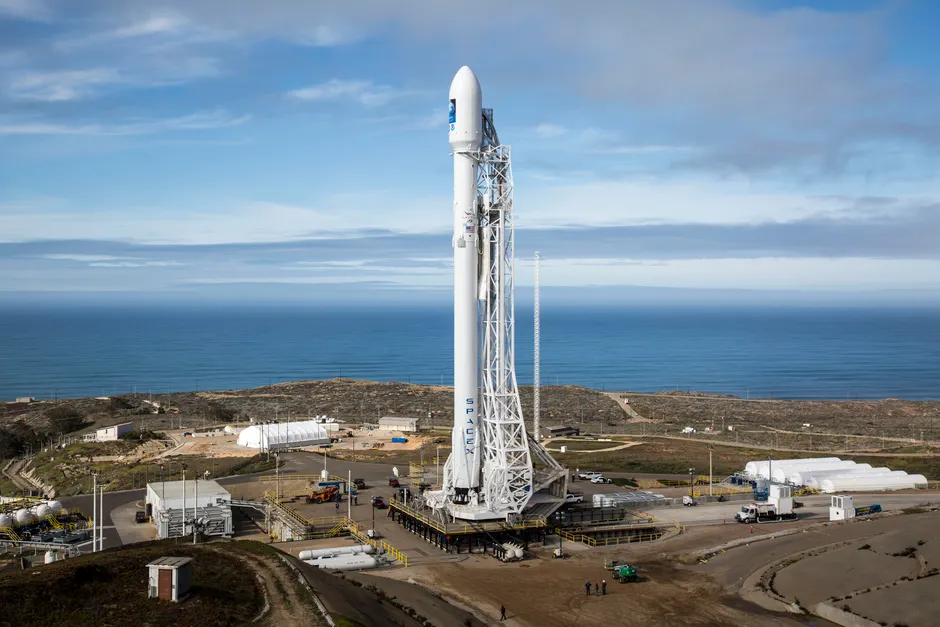
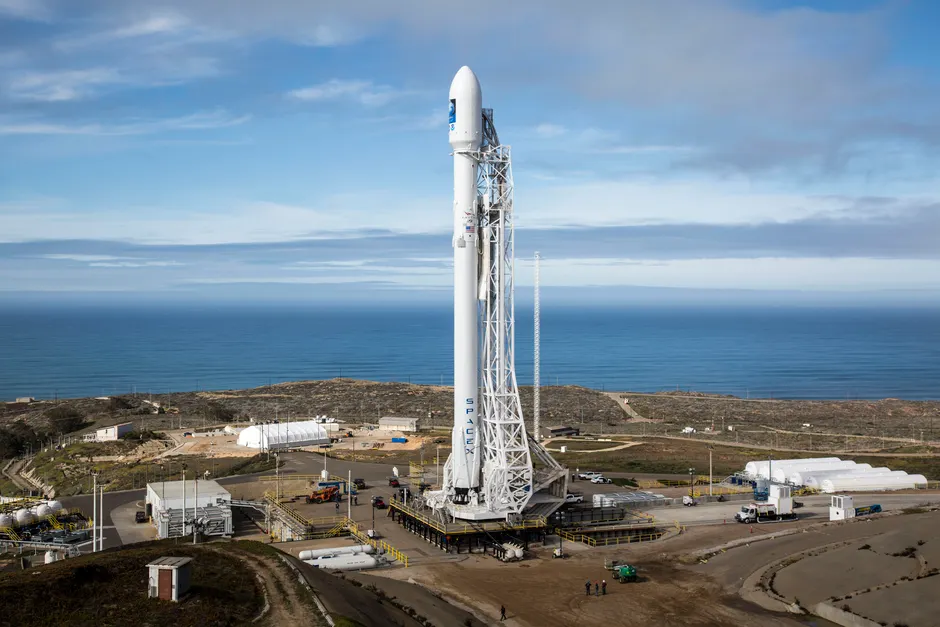
On the operational side, SpaceX's launch manifest shows continued activity despite the equity volatility. The company's Launches page lists a Starlink mission scheduled for July 20, 2026, flying on Falcon 9 from SLC-4E at Vandenberg, California, with a droneship recovery. The following day, July 21, a Falcon 9 is slated to fly an MRV-MEP mission from SLC-40 at Cape Canaveral, Florida, in an expended configuration, meaning the booster will not be recovered. That is a notable choice for a vehicle family whose reusability is central to its cost structure. Expending a Falcon 9 first stage typically signals either payload mass requirements or orbital-energy demands that preclude sufficient fuel reserve for a propulsive landing.
Separately, SpaceX's Updates page acknowledged a delay of more than two months from a previously communicated mid-September timeline. The company stated the delay was not based on a new safety concern, leaving the operational rationale unspecified.
The broader context here is the speed and magnitude of the reversion. A roughly $600 billion decline in market value, a 16% single-session drop, and a breach of the IPO price within weeks of debut are not incremental corrections. They reflect a rapid repricing of expectations. Reuters reported on July 15 that the slide below the IPO price came as the post-debut rally unraveled, framing the move as a capitulation of the premium that buyers had assigned in the initial trading period.
For market participants, the key levels are straightforward. The $135 IPO price now functions as a psychological and technical reference point. The $132.28 intraday low from July 15 and the $132.75 low from July 14 establish a tight support zone, a price band where buyers have historically stepped in, just below that level. Whether that band holds will likely depend on factors well outside the launch manifest: macro risk appetite, tech-sector flows, and any financial disclosures the company may make as a public entity. The stock's performance from here is a function of earnings power and discount rate assumptions, not orbital mechanics.