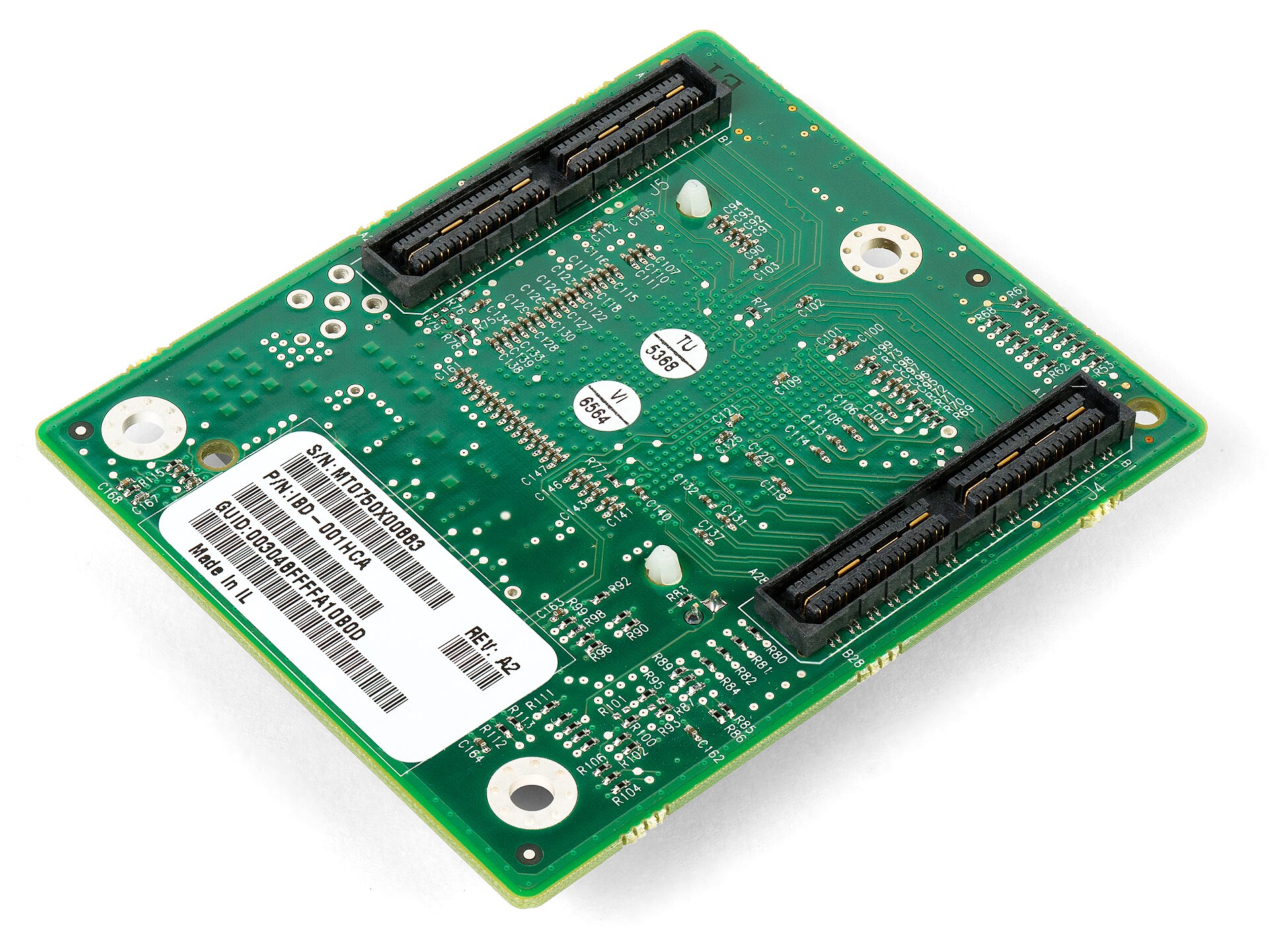
Bloomberg Traces Restricted Nvidia Chips From Singapore to Shanghai
Bloomberg has reported explicit evidence of a network of Chinese companies that obtained NVIDIA chips not supposed to be sold in China, with Alice Huang at the center of the network. The report, relayed by Engadget on 13 November 2026, traces the hardware through a chain of Singapore and Shanghai entities.
The chain begins in Singapore. Chips listed in documents reviewed by Bloomberg were sold to Aperia Cloud Services, an NVIDIA Cloud Partner (a reseller that rents out GPU computing capacity) based in Singapore. Aperia purchased 22 servers from Dell containing NVIDIA H800 chips. The H800 is banned in China. Dell cut off business ties with Aperia in February 2025 because of concerns around the deal.
The chain continues in Shanghai. Bloomberg found the hardware details in filings from Shanghai Longteng Intelligent Computing, a company Alice Huang set up a decade ago. Huang has not been part of Shanghai Longteng since 2017. According to the reporting, Huang Yu, identified as Huang's sister, took over as majority owner. The filings showed the company's servers included 52 units made by Super Micro Computer Inc, equipped with NVIDIA H100 or H200 chips. Neither chip can be sold to Chinese companies without express permission from the US government.
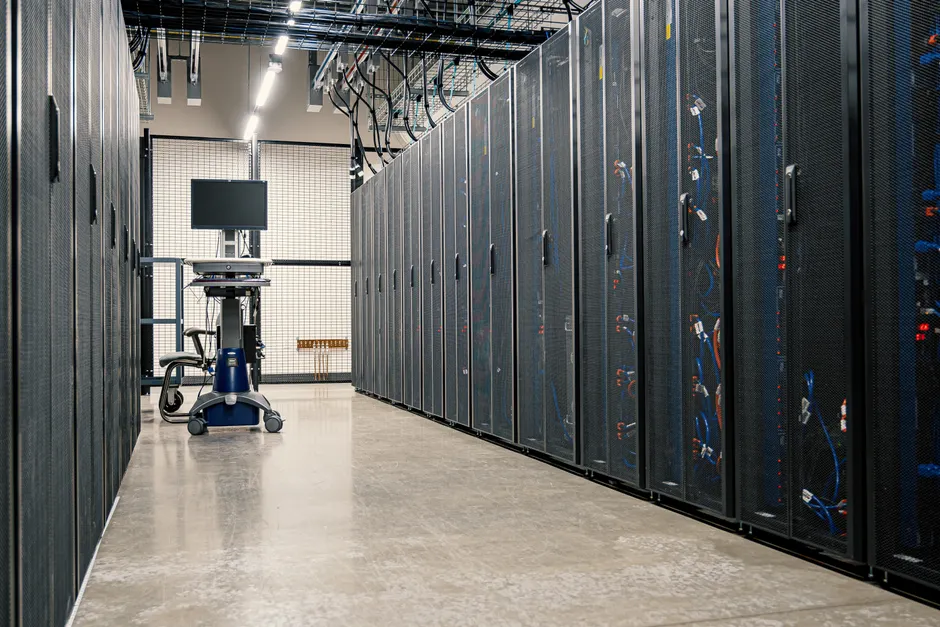
The hardware was installed at an AI facility in Shanghai called the Yangtze River Delta Project. Its president is Kang Wei, who is reported to be Huang's husband. Huang was publicly an executive at Singaporean company Megaspeed, which presented a rendering of the Yangtze River Delta Project to investors in 2024 and described it as the company's largest AI facility.
Bloomberg also reported that US officials believe China's main intelligence agency recruited Huang to target NVIDIA CEO Jensen Huang. That is a belief held by those officials, as relayed in the reporting.
The broader context here is the export control regime itself, the set of rules governing which accelerators can be shipped to which countries. Those controls depend less on the chipmaker's own sales desk than on the layers between a fabricated accelerator and its final operator: the OEM (original equipment manufacturer) that integrates the servers, the cloud partner that resells capacity, and the holding companies that own the facilities. In this case, the reporting places an OEM decision, Dell's termination of its relationship with Aperia in February 2025. Whether that kind of counterparty screening can keep pace with the volume of AI hardware moving through Southeast Asia is a question the sector will have to answer in practice.
In my view, the same paper trail that exposes diversion also makes the legitimate cloud market auditable. Shipment records, server configuration filings and corporate ownership changes, once assembled, can connect a single facility to specific accelerator part numbers and to the people who run it. For compliance teams, that is a working model of what thorough due diligence can reveal. For the industry, it is what allows a legitimate market to keep growing with the trust of regulators and customers.