Japan Enacts Flag Desecration Law Under Takaichi's Nationalist Agenda
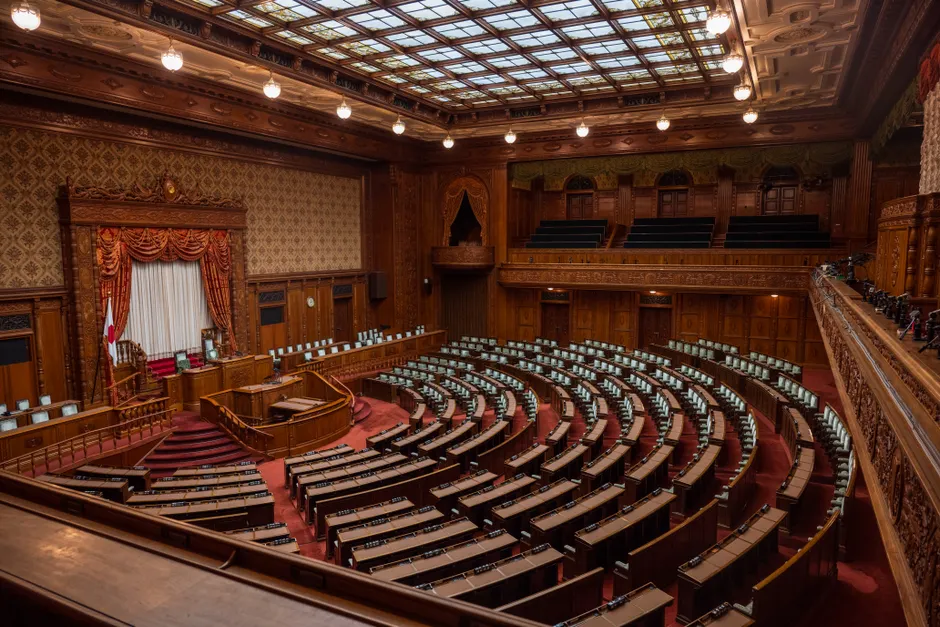
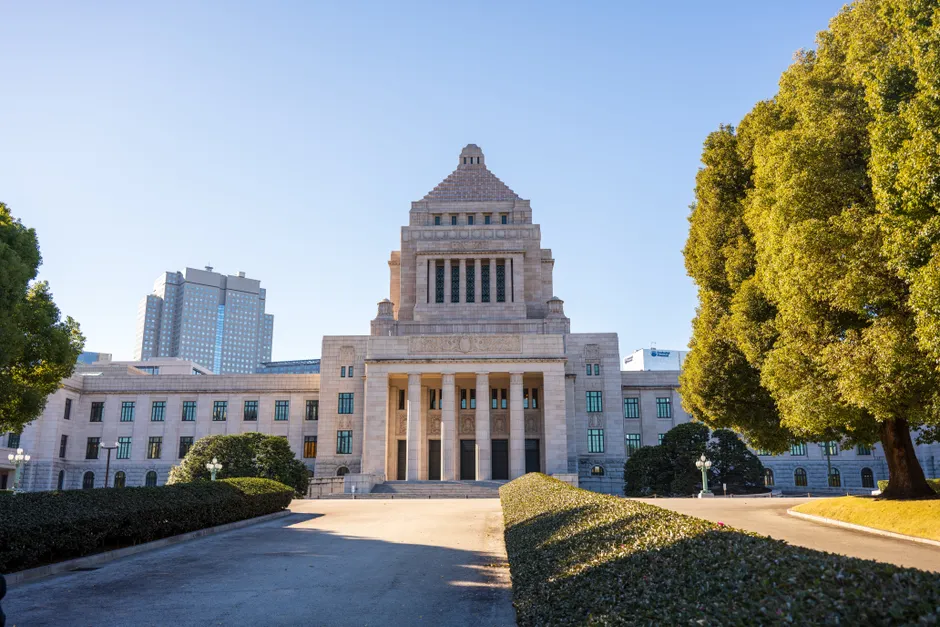
Japan's House of Councillors — the upper chamber of the country's bicameral legislature, known as the Diet — passed a bill on July 17, 2026, that criminalizes desecration of the national flag. The bill's passage through both chambers means it became law the same day. Prime Minister Sanae Takaichi and her cabinet championed the measure as part of a broader nationalist legislative program (New York Times; Associated Press).
The Associated Press, with correspondent Mari Yamaguchi bylined, reported the upper house vote on Friday, July 17, 2026 (Associated Press). The Japan Times also confirmed the bill's passage through the Diet the same day (Japan Times).
The Takaichi Cabinet has governed since at least April 2026, according to the Prime Minister's official residence website (kantei.go.jp). The New York Times identified the flag-desecration legislation as part of Takaichi's nationalist agenda. Human Rights Watch flagged the bill as early as March 25, 2026, calling it a threat to freedom of expression (New York Times; Human Rights Watch).
Opponents of the law have echoed that framing. Critics argue that criminalizing flag desecration imposes an unconstitutional constraint on speech and political protest. The Associated Press wire, distributed by ABC News, reported concerns that the law's scope could extend to acts beyond what its supporters have publicly described (Associated Press via ABC News; Oskaloosa).
The broader context here is the Takaichi administration's legislative posture, which has moved nationalist priorities into the mainstream of Japan's governing agenda. Flag desecration laws sit in a contested space across democratic legal systems — in some countries, courts have struck down or narrowed similar statutes on free-speech grounds. Japan's own constitution, under Article 21, guarantees freedom of assembly, association, speech, and the press. How courts will interpret the new law's reach relative to that constitutional guarantee is the central legal question the legislation now poses.
Human Rights Watch's intervention in March, well before the bill's enactment, signals that international monitoring organizations were tracking the legislative trajectory and raising concerns ahead of the final vote. That the law nonetheless proceeded to passage indicates the Takaichi Cabinet's willingness to absorb civil-society criticism in pursuit of its legislative objectives.
What warrants attention going forward is the enforcement architecture: what specific acts the law criminalizes, what penalties it attaches, and whether prosecutors apply it narrowly or expansively. The legislative text itself, along with any implementing guidelines from the Ministry of Justice, will determine whether the statute functions as a symbolic assertion of national dignity or as an active tool of criminal prosecution. Both outcomes carry weight, but they carry different weights.
For Japan's diplomatic posture in the region, the law's enactment also lands against the backdrop of Takaichi's broader nationalist profile. Neighbors in East Asia, particularly South Korea and China, have historically been sensitive to expressions of Japanese nationalism given the region's mid-twentieth-century history. A flag-desecration statute, while domestic in its legal reach, may register in regional diplomacy as part of a pattern worth watching.
The legislation's passage through both chambers of the Diet completes its legislative journey. The political question now is whether the Takaichi Cabinet treats this as a standalone achievement or as a precedent for further legislation along similar lines.