13-Year-Old's Water-Powered Solar Tracker Gains 20 Percent Over a Fixed Panel
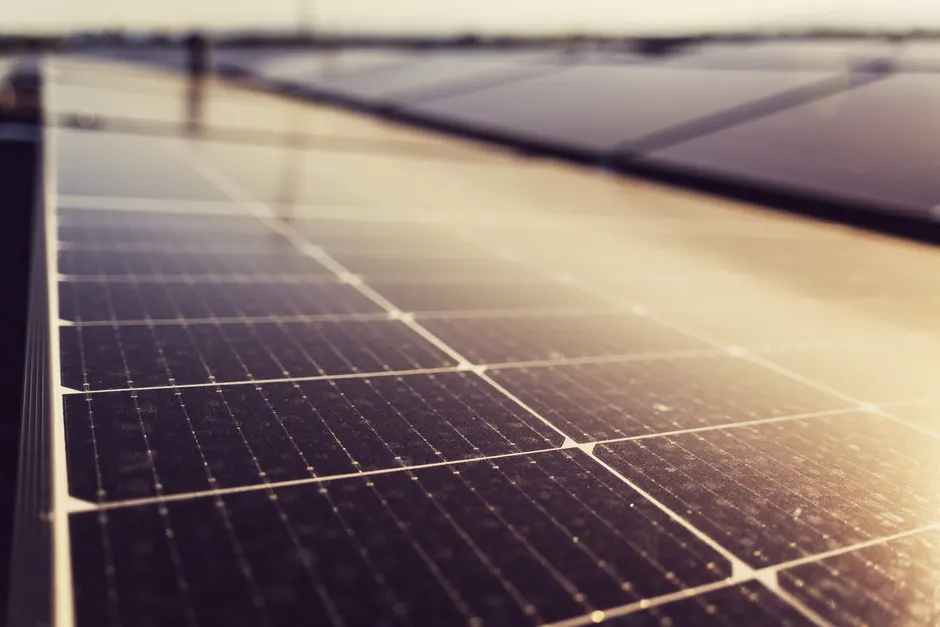
Jason Chang, a 13-year-old seventh grader at Worcester Academy in Massachusetts, has built a solar tracker that moves a panel with water and gravity. The mechanism needs no motor, no sunlight sensor and no electricity, according to Engadget, which published its report on November 15, 2026.
The problem is a basic one. A fixed solar panel cannot change position as the sun moves across the sky, so the angle between the panel and the sunlight drifts through the day. Chang's prototype mounts a small panel on a rotating wooden structure. Water drips into a bucket on one side, and as the bucket fills, it tilts the panel. Tracking is therefore passive, driven by the slow accumulation of mass, like a seesaw that tips once one end grows heavier, rather than by the sensor-and-motor feedback loop that powered trackers typically use.
Chang began the work after having to adjust his family's solar-powered Christmas lights to catch more sun. That household chore, rather than a classroom assignment, is the origin of the project as reported. He spent more than a year refining the design, recording his tests in a notebook and building much of the hardware from recycled materials.
In outdoor tests, the setup generated about 20 percent more voltage than a stationary panel, according to the same report. The prototype cost less than $25 to build.
The report also points to a commercial comparison. Engineering for Change promotes a SunSaluter rotating solar panel kit with a suggested retail price of $50. That figure excludes the panel, the battery and other components, so the two numbers do not describe the same thing. Chang's sub-$25 figure covers a prototype assembled largely from salvaged parts, while the SunSaluter price is a kit price that leaves out the parts most people would need to buy to use it.
In my view, the more instructive detail is the design choice itself. A passive tracker removes the light sensors, microcontroller and drive motor that a conventional two-axis system depends on. Each of those parts is a possible point of failure, a source of power draw and a line item in the bill of materials, the parts list that sets a device's cost. Water and gravity trade precision and speed for simplicity. A bucket that fills over hours follows the sun's gradual movement, not its position at a given minute, so the design's value depends on whether that trade suits the site, the climate and the maintenance a user will tolerate. The reported 20 percent gain comes from Chang's outdoor tests, and it is the number to weigh against those trade-offs.
The broader context here concerns who builds these things. A seventh grader tackled a limitation that commercial installers have long accepted as a cost of fixed mounting, using materials most households already have. Whether the idea scales beyond holiday lights is a question the reporting does not settle. The prototype itself is a concrete, measurable result, and it began with a problem a child noticed at home.