Britain's Three Main Intercity Rail Lines Face Simultaneous Disruption This Summer
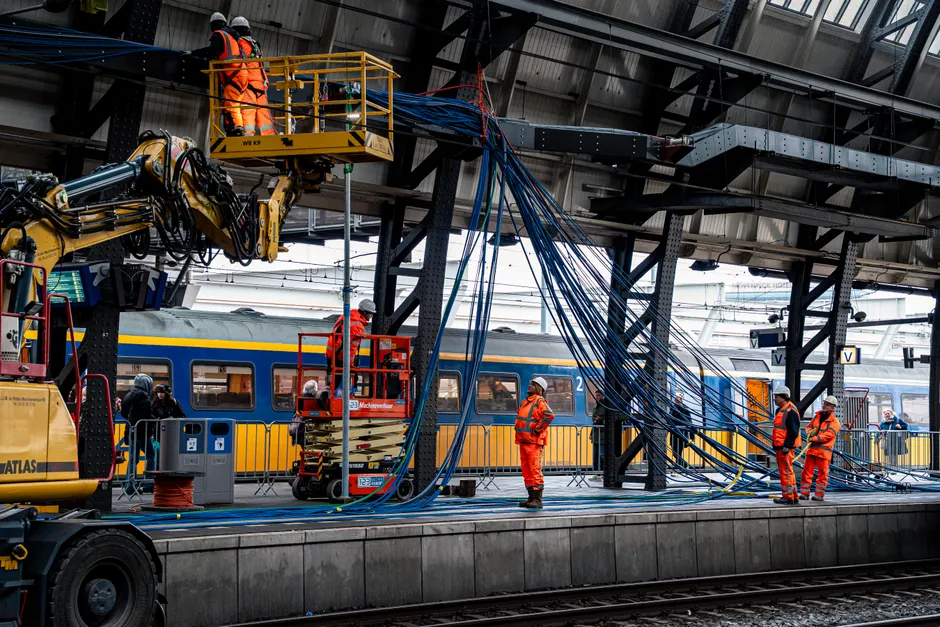
All three of Great Britain's north-south intercity mainlines are experiencing severe service disruption this July, driven by overlapping mechanical failures on the Midland mainline and escalating strike ballots on the East Coast and West Coast routes.
East Midlands Railway (EMR) announced it will cancel hundreds of services on the Midland mainline owing to continued problems with its fleet of Hitachi trains. The operator is cancelling approximately 20 fast trains per day between London, Sheffield, and Nottingham, according to The Guardian.
The disruption stems from two distinct but compounding fleet issues. EMR's new class 810 bi-mode trains — previously marketed as Auroras — have suffered what the operator described as "performance and reliability issues." Bi-mode trains can run on both diesel and electric power, switching between the two depending on whether the track is electrified. The class 810s entered service in 2026 following a three-year delay. In parallel, EMR criticised Hitachi's maintenance of the existing class 222 fleet, stating it had "significantly impacted upon EMR's ability to run a consistent intercity service."
The fleet problems carry a serious safety dimension. The Bedford rail crash in June 2026 involved one of EMR's new Aurora trains that stopped on the mainline, apparently due to a fault with the automatic warning system, and was then struck by another EMR train that had passed a red signal at danger. That incident, now under investigation, foreshadowed the broader reliability concerns that have since forced the service reductions.
On the East Coast mainline, the train drivers' union Aslef called a strike ballot at LNER on July 17, 2026, after a pay deal collapsed. Aslef stated that the Department for Transport (DfT) refused to sign off a pay agreement reached at the state-owned operator LNER, effectively blocking its implementation. The DfT was approached for comment by The Guardian regarding the rail disruption across the network.
The LNER ballot follows a similar move on the West Coast mainline. Aslef had already announced a strike ballot at Avanti West Coast approximately two weeks earlier, after the company's 2026 pay offer was described as "not acceptable," as ITV News reported on June 30. Aslef confirmed on its official Facebook page that it would ballot Avanti members after the company "failed to make an acceptable pay offer." The union has also declined to renew a rest day working agreement with Avanti, leading to cancellations on the route.
Avanti West Coast's own travel information page, updated as of July 14, states there is currently no strike action affecting its services. That guidance reflects the present state but is likely to change if the ballots return a mandate for industrial action.
The timelines are now converging. Train drivers on both LNER and Avanti West Coast could be on strike by late August 2026, pending ballot outcomes and statutory notice periods. Under UK labour law, unions must give employers a set period of advance notice before any strike can begin.
The broader context here matters for anyone assessing the operational and political risk on Britain's rail network. The simultaneous degradation of all three mainlines is not a single coordinated event but a compound failure with distinct root causes. On the Midland mainline, the problem is fleet engineering: a new-build bi-mode platform delivered three years late and still not achieving reliable service, compounded by maintenance shortfalls on the legacy class 222 diesels it was meant to replace. On the East Coast and West Coast mainlines, the problem is industrial relations, with the DfT acting as paymaster gatekeeper for operators it effectively controls.
The LNER dispute is particularly pointed because LNER is a state-owned operator. Aslef's contention is that a pay deal was agreed at the operator level but blocked by the DfT, placing the government rather than the company as the locus of the dispute. That structure, where the Treasury controls the fiscal envelope for publicly operated franchises, has shaped every major rail pay dispute since the pandemic-era emergency contracts replaced the old franchising system. The Avanti dispute follows a similar pattern, though Avanti operates under a National Rail Contract — a hybrid model where the government absorbs most financial risk — rather than direct public ownership.
The Bedford crash adds a third dimension. An automatic warning system fault causing a train to stop foul of the running line, followed by a signal passed at danger by a second train, raises questions about both the class 810's systems reliability and the adequacy of the signalling protections that should prevent rear-end collisions. The Rail Accident Investigation Branch (RAIB) process will likely take months, but the operational consequence — cancelled services — is immediate.
For passengers and freight users, the practical outlook through the remainder of summer is poor. The Midland mainline faces sustained capacity reduction from fleet availability constraints with no quick fix. The East Coast and West Coast routes face the prospect of industrial action within weeks. And the regulatory framework under which the DfT controls operator pay means that resolution of the disputes may require ministerial decisions rather than bilateral negotiation between unions and companies.


