London Underground Strike Wave: The Fight Over Four-Day Work Weeks Explained

London Underground Strike Wave: The Fight Over Four-Day Work Weeks Explained
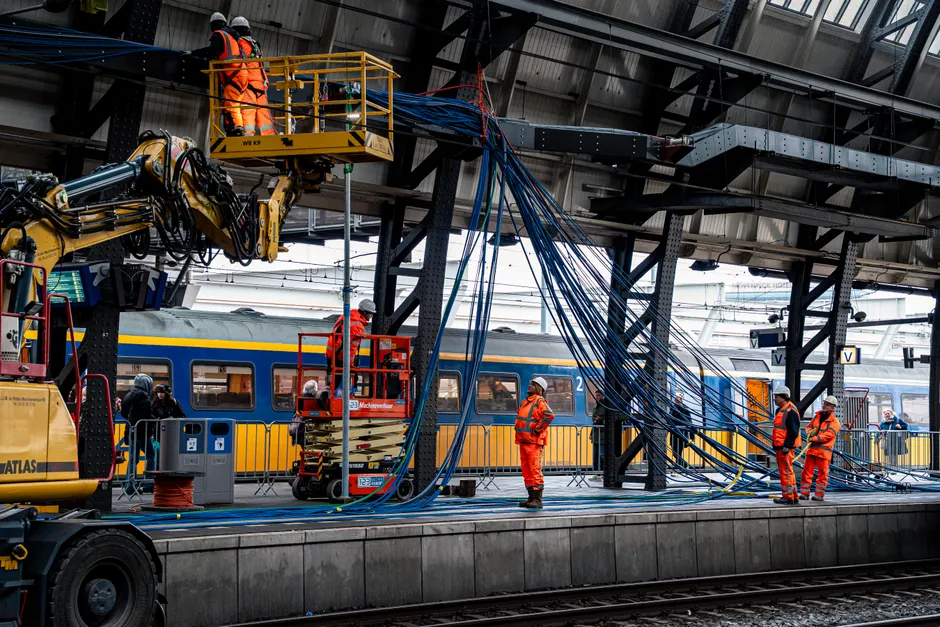
London's Tube system is being hit by rolling strikes that have stretched from March into June 2026. The Rail, Maritime and Transport Workers union (RMT)—the larger of two driver unions—is refusing to accept Transport for London's plan to compress the work week from five days into four. Strike action happened on June 3 and was scheduled for June 4, with more planned for mid-June.
The Guardian reported that last-minute talks at Acas (a government mediation service) failed to break the deadlock. About half of London Underground's drivers took part in the Tuesday action.
Two Unions, Two Different Views
Here's what complicates this dispute: not all driver unions agree. The RMT says the four-day week is unsafe because drivers will get too tired. But the other major union, Aslef (the Associated Society of Locomotive Engineers and Firemen), welcomes the change. Aslef represents slightly more than half the drivers and didn't strike.
Because the two unions are split, London Underground has kept some trains running during strikes using Aslef members and management staff. If both unions had struck together, the impact would have been much worse.
The Long Battle
This isn't a new fight. The RMT has been escalating strike action since March—with strikes scheduled in late March, late April, and mid-May before June dates were added. The RMT paused some strikes after what it said were promising talks, then added June strikes when negotiations stalled again.
The union points out that most of the train drivers who voted in an internal survey rejected the four-day week. Yet management pushed forward anyway. The RMT calls this a "fake four-day week" because the total hours aren't being reduced—they're just being squeezed into fewer days.
Why This Matters
The real issue here isn't whether shorter weeks are good or bad in theory. It's that London Underground bosses decided unilaterally to change how drivers work without getting worker buy-in first. The RMT's safety concern—that compressed schedules increase fatigue risk on safety-critical jobs—is the kind of issue that needs genuine negotiation, not imposition.
The split between unions is also worth understanding. It shows that not all workers feel the same way about flexible schedules. Some might prefer four longer days; others worry about exhaustion in a job where a momentary lapse could matter. Management now faces different demands from different worker groups, which makes finding a solution harder.
What Comes Next
We've seen this pattern before. When London introduced the Night Tube service in 2015, similar disputes over working conditions lasted months and required real compromise from both sides. The current impasse may follow the same course—slow, grinding, with no quick fix in sight.
The broader context here is how transport systems will adapt flexible working post-pandemic, especially in roles where you can't simply shut down the service. The outcomes of this dispute could shape similar debates across other London transit operators and other safety-critical industries considering compressed work weeks.